Riot ends LoL Classic after 3 months
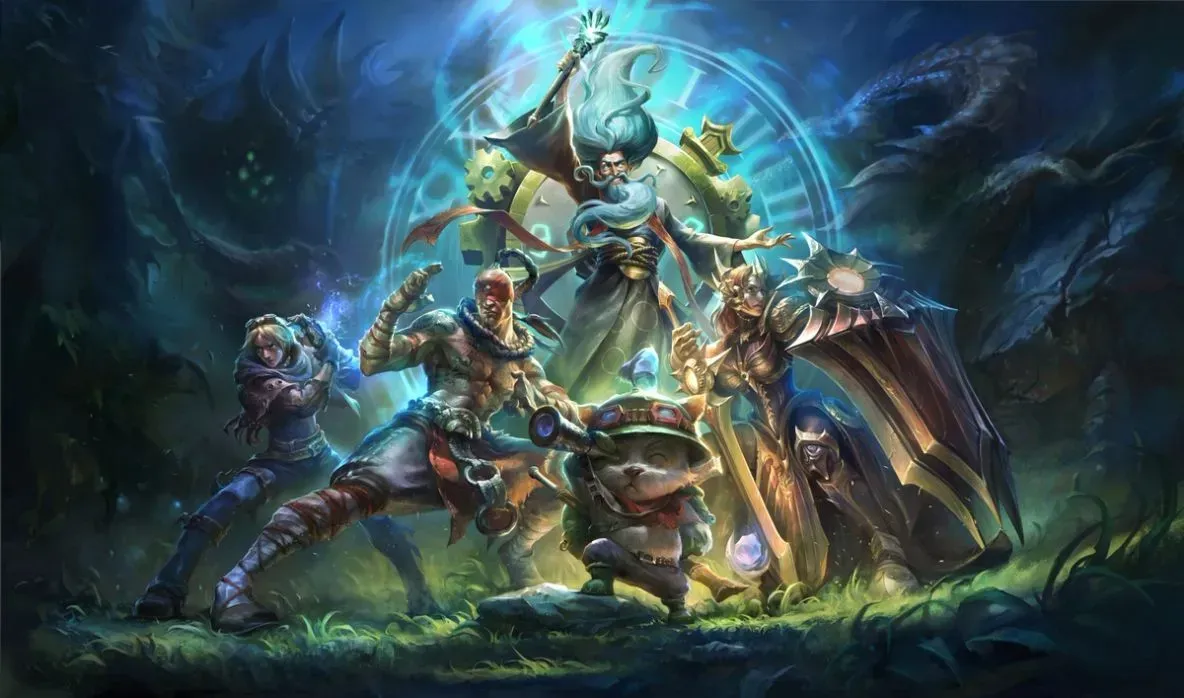
When Riot Games launched League of Legends Classic, the promise was simple: a glorious journey back to the golden age of the game. It was an attempt to bottle the nostalgia, stripping away the champions and kits introduced since 2013, and setting the stage on the classic Summoner’s Rift map. The goal was to roll out new, old Champions at a faster clip, inviting players to relive their glory days in a familiar setting.
But nostalgia, it turns out, is a fickle engine. Despite the enthusiasm, the mode didn’t sustain the hype long enough. Just six months after its launch, the experiment had to come to a close, with League of Legends Classic set to go offline in January 2027.
While the decision was clear, Riot acknowledged the community’s dedication. A spokesperson noted that many players certainly found joy in revisiting the olden days, but ultimately, the community gravitated elsewhere. “Most have gone back to other parts of League,” the statement reflected, acknowledging that the desire for a nostalgic detour didn’t hold the focus for the long term.
This realization led to an interesting pivot. Instead of simply closing the door, Riot planned to keep the legacy alive. They intend to bring Classic back, likely as an event mode complete with adjustments and new additions, ensuring that the passion for the format continues to evolve.
The future of Classic is still bright. Riot plans to continue expanding the content, with at least seven more Champions yet to roll out, including names like Mordekaiser, Yorick, Hecarim, and Lucian, alongside future additions such as Vilibear, Urgot, and Udyr.
The experiment, however, offered more than just a timeline; it provided a fascinating insight into the nature of gaming itself. Esports veteran Alex Chu, known as Xpecial, offered a compelling perspective on why the nostalgic appeal might not translate into mass adoption. He speculated that the rules of Classic, with their community voting and flexible drafting, could lead to outcomes that appeal to niche groups but might not satisfy the broader audience accustomed to the pressures of modern League of Legends.
Chu suggested that the core issue may be the high-pressure nature of the MOBA genre. While League of Legends is undeniably brilliant, it demands appeal to everyone. In contrast, older MMOs like World of Warcraft or RuneScape offered a different kind of space—a kind of “home away from home” that is less adversarial and less high-stakes. The fundamental difference lies in the pace of evolution: modern League of Legends updates champions every two to three weeks, constantly shifting the meta, whereas older MMOs generally reserved seismic updates for yearly cycles, giving players more time to settle into their experience.
Ultimately, the journey of League of Legends Classic was a vibrant exploration of memory and community. It proved that while players love to revisit the past, true longevity in gaming requires balancing the emotional pull of nostalgia with the evolving demands of the present.
Buy on Amazon
Credit
