Roblox Halo looks real but someone pulled off the illusion
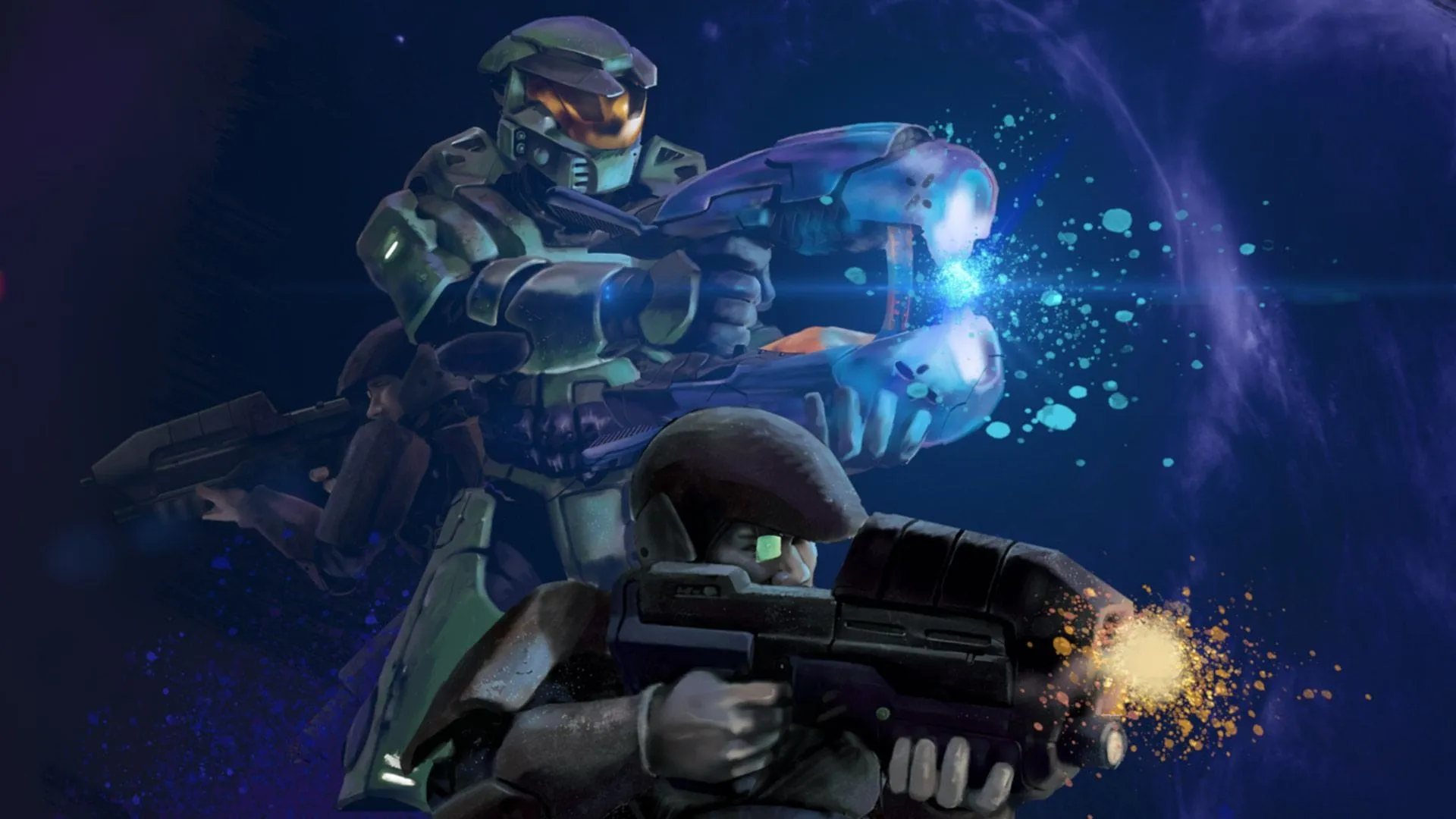
The gaming landscape is currently undergoing some truly wild developments, forcing us to re-examine the boundaries of ownership, emulation, and digital access. When a classic like Halo: Combat Evolved finds a new home on Roblox, it doesn’t just make for an interesting game; it opens up a fascinating, and slightly unsettling, discussion about what the future of gaming might look like.
This development is part of a larger trend where digital boundaries are being challenged. It makes one wonder what is happening under the hood of this process. If anything, it feels less like a simple port and more like a ripple effect, starting with advanced AI concepts and evolving into widespread access and emulation techniques.
We are seeing this kind of fluid access play out across the industry. Consider the recent advancements where emulation and access have become commonplace, whether it’s the ability to run games on different operating systems, such as how some users are exploring console games on mobile devices, or the wider community grappling with software access through various exploits.
The Roblox platform, which is synonymous with massive user-generated content, is now adding another layer to this mix. When a foundational game is ported in this manner, it raises immediate questions about precedent and control. As a platform often associated with user-generated content that sometimes mimics existing games, the ease of porting titles like Halo suggests a new, chaotic path for intellectual property.
This trend isn’t isolated. Over the last 24 hours alone, we have witnessed a rapid acceleration of cross-platform possibilities. Stories of games like Left 4 Dead, Counter-Strike, and even PlayStation 4 emulators running within Roblox demonstrate a willingness to push existing technological limits. These examples, alongside discussions about running Xbox Game Pass content on Android or even Xbox One games on an iPhone, paint a picture of a rapidly evolving digital ecosystem.
What is truly striking is the sheer velocity of these changes. We are witnessing a shift where the conventional rules of game distribution are being bypassed in favor of access. This trajectory hints at something much bigger—a future where access is democratized, but at what cost to established copyright and business models?
Despite the inevitable concerns surrounding copyright strikes and platform integrity, the sheer scale of the community is undeniable. Roblox boasts a staggering monthly active user base, potentially in the hundreds of millions, dwarfing the user bases of traditional platforms like Steam, Xbox, and PlayStation. This massive audience suggests that for many users, access and play are prioritized above strict proprietary ownership.
If the opportunity arises to access high-quality games for free, rather than purchasing them, the pull toward this kind of accessible, shared gaming experience becomes incredibly strong. This dynamic sets the stage for even more chaotic, yet potentially more creative, developments in the digital world.
Buy on Amazon
Credit
