RPGs are better when you’re an idiot
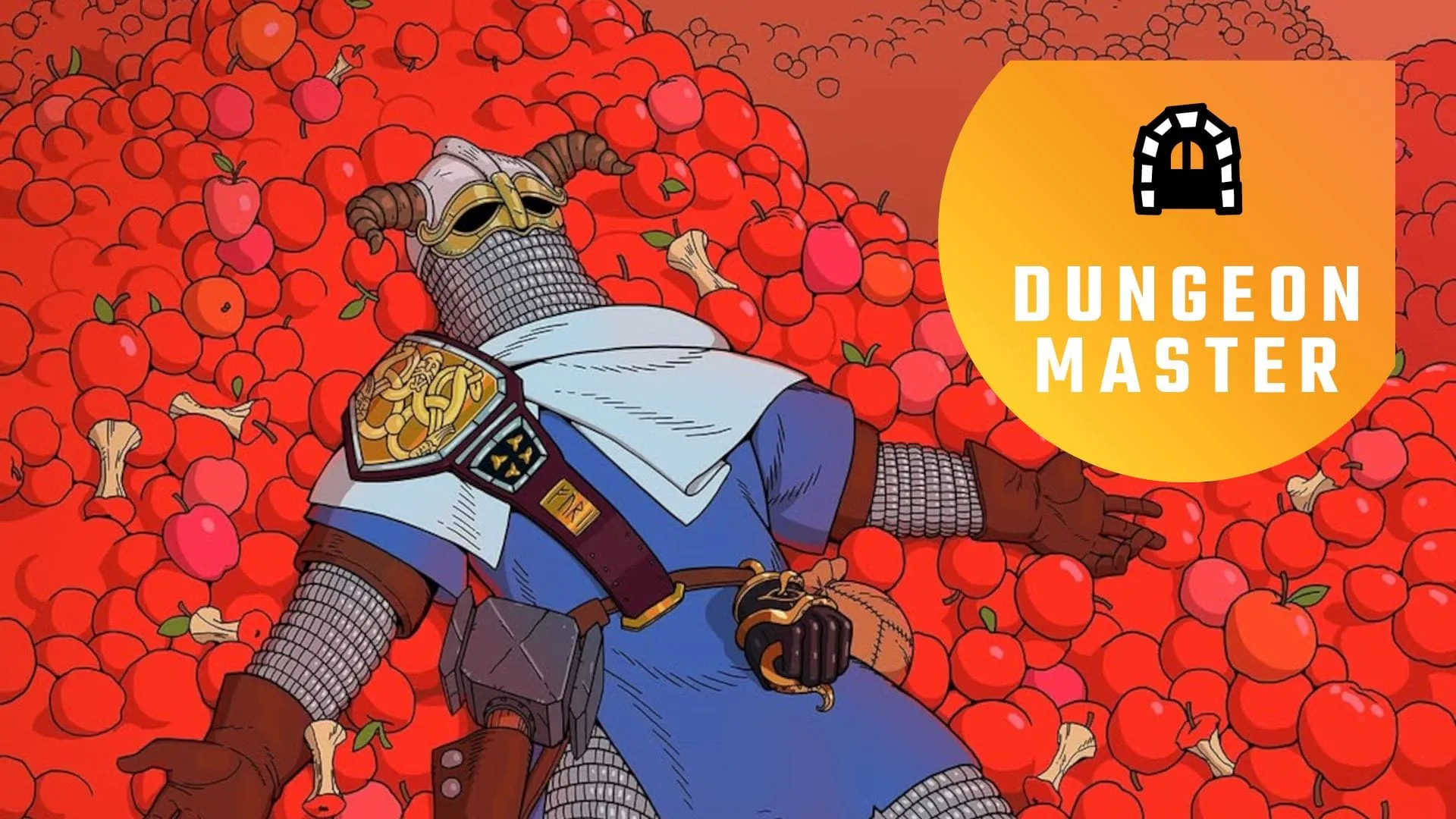
Most video game RPGs operate on a seductive principle: the power fantasy. You are competent, clever, and regardless of the odds, you will inevitably save the day. It’s a comforting notion, allowing players to take a holiday from their own incompetence. But for many of us, this relentless stream of guaranteed success can quickly become dull.
We are not built for flawless heroism. In real life, we stumble. I’ve certainly learned this the hard way, managing to drop dinner, get trapped on a bus going the wrong way, and, to top it off, get knocked over by an electric scooter. I am, by necessity, a walking disaster.
When we watch protagonists like Geralt or Commander Shepard face adversity, the moments of struggle feel less like genuine conflict and more like convenient excuses for the next epic adventure. We crave friction, not just a linear path to victory. We want the chaos of the mistake, the sting of the setback, and the messiness that makes a story truly unforgettable.
This desire for friction is exactly what separates the traditional RPG experience from the world of tabletop roleplaying games (TTRPGs). TTRPGs don’t just tolerate failure; they thrive on it. Games like Mothership and Call of Cthulhu lean into misfortune, turning bad rolls and questionable choices into the core of the narrative experience.
When I first explored TTRPGs, I realized how much more fun it is to be just some guy who messes up—to suffer a cursed roll or make a bad call, and see where that leads. It’s liberating to step outside the role of the infallible Chosen One.
This shift is now trickling into the CRPG space. Games are slowly starting to celebrate the ‘idiots’ among their players. It’s no longer enough to simply reward success; players want to experience the consequences of their spectacular failures.
Consider Baldur’s Gate 3, which remains a powerful fantasy, yet still operates within the confines of a clear victory path. Yet, games like Disco Elysium embrace the wonderfully absurd. Here, the focus isn’t just on winning, but on choosing to be a big, dumb, weirdo—and the resulting narrative is far more rewarding.
In these environments, failure is not a terminal end, but a crucial ingredient for a compelling story. It allows for a ridiculous breadth of options, letting players make choices that seem impossible. When failure is almost guaranteed, succeeding feels exponentially more impressive. It forces players to grapple with the reality that they are capable of incredible things, even when they are completely screwed up.
This dynamic is powerfully demonstrated in titles like Zero Parades and Esoteric Ebb. They offer tantalizing prospects for self-destruction, where the path to success is entangled with total self-sabotage. The consequence of messing up is deep, meaningful, and undeniably interesting.
Ultimately, great roleplaying—whether in a game or life—requires a permissive environment. You need a system, or a Game Master, that is ready to say “Yes, and,” allowing you to come up with a ridiculous solution and chase interesting, messy outcomes, even if you fail miserably. This is how we move beyond the rote hero’s journey and create truly textured, surprising adventures.
Credit
