RTX 20 cards started the ray tracing obsession
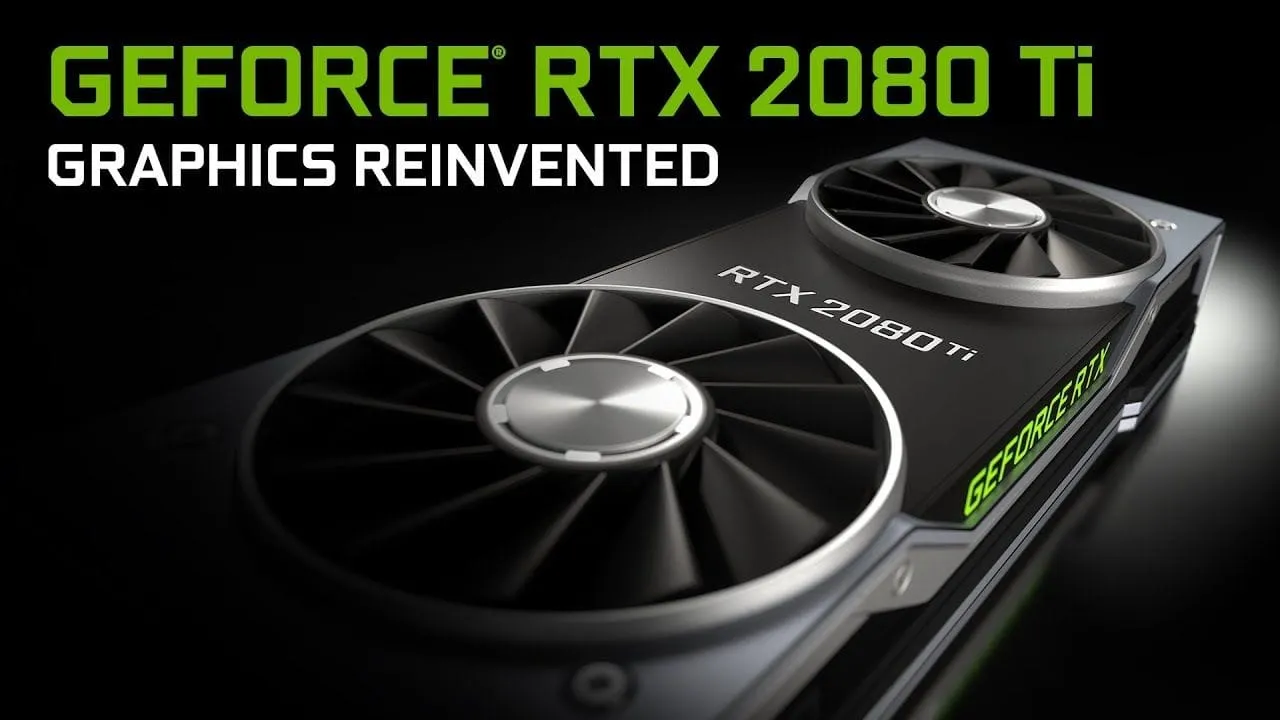
Eight years ago, a seismic shift occurred in the world of PC gaming graphics when Nvidia introduced the Turing architecture, ushering in the age of real-time ray tracing. Nvidia CEO Jensen Huang didn’t just release a new generation of GPUs; he heralded what he claimed was a “new golden age of gaming,” suggesting that realism, previously thought to be a decade away, was finally within reach.
The promise was immense: a graphical leap that would allow environments to reflect light with breathtaking fidelity. Nvidia made this groundbreaking technology available at the high end, starting with flagship cards like the GeForce RTX 2080 and the RTX 2080 Ti.
Yet, as is often the case with revolutionary technology, the reality proved a bit more nuanced. While the boasts about ray tracing were dazzling, many enthusiasts found themselves still skeptical about the performance impact or the sheer necessity of the feature itself. For months following the launch, the content that truly showcased the power of ray tracing—such as demonstrations in Battlefield V, Metro Exodus, and Shadow of the Tomb Raider—was not immediately compelling enough to convince everyone.
Looking closely at the hardware, the RTX 2080 Founders Edition managed to outperform previous high-end cards, even the legendary GTX 1080 Ti. However, the price tag for these flagship cards was steep. The RTX 2080 Founders Edition had an MSRP of $799, a price point that was often more competitive than the final retail cost of custom models from other manufacturers.
The flagship RTX 2080 Ti, priced at $1200, offered impressive performance but was generally considered an expensive leap over its predecessor. The initial excitement, while genuine, was tempered by the realization that achieving maximum visual fidelity still required significant computational muscle.
As time passed, the industry learned that achieving true mainstream accessibility for ray tracing required more than just raw GPU power. The path to making this visual tech truly accessible for budget and mainstream gamers involved layering new technologies. Tools like DLSS, which incorporated frame generation and upscaling methods like AMD’s FSR, became crucial in boosting frame rates and making ray tracing viable for a wider audience.
Today, eight years later, the landscape has evolved dramatically. While ray tracing is now woven into the fabric of console and mobile gaming, its adoption on PC remains gradually unfolding. The Turing generation has gracefully slipped down the graphics card hierarchy, making room for newer generations. For instance, a card like the RTX 3070, priced around $499, offers performance comparable to previous high-end flagships, demonstrating that the path to graphical excellence is constantly evolving.
Buy on Amazon
Credit
