RTX 5080 prices hit $2000 with limited stock
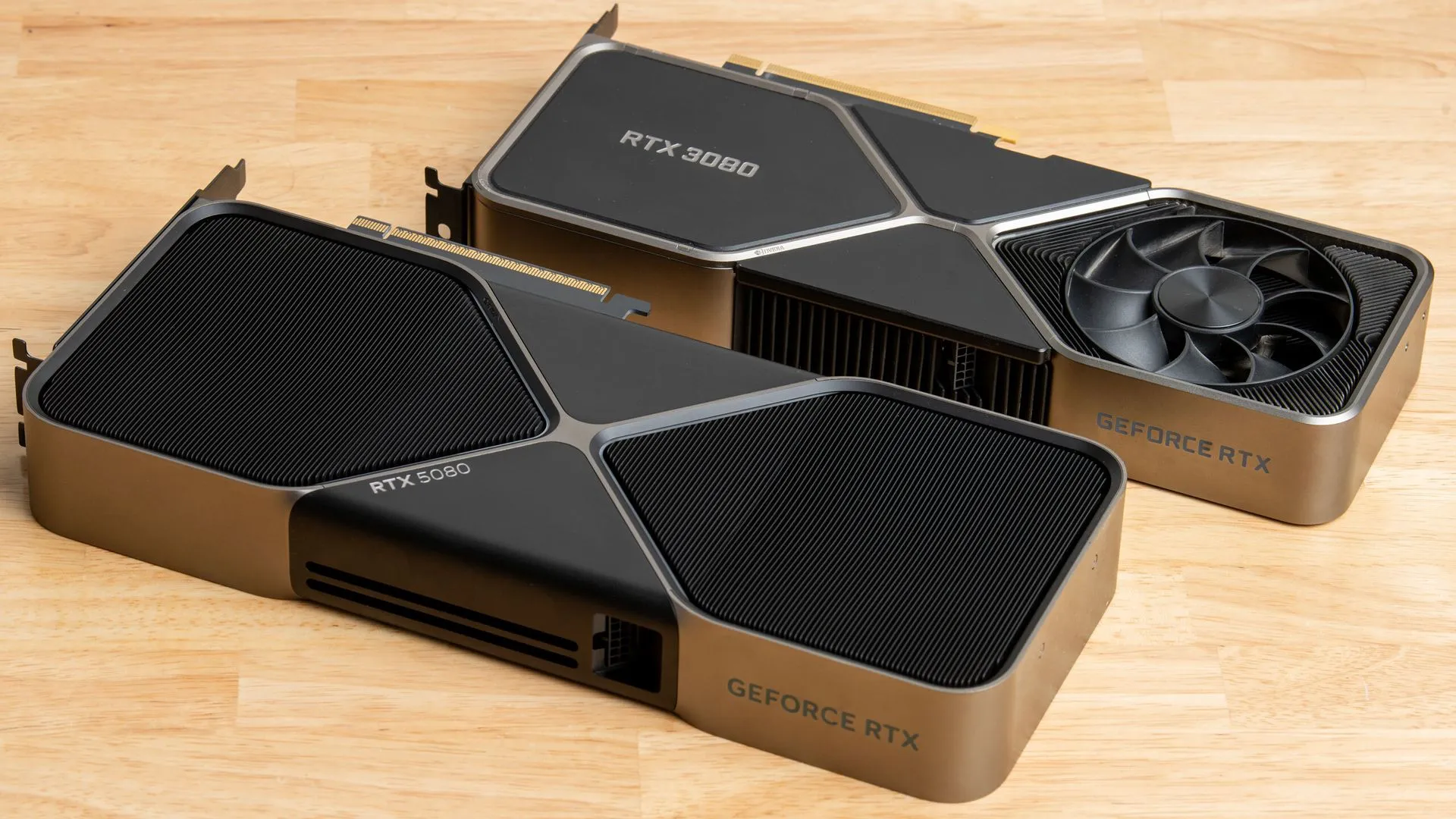
The pursuit of cutting-edge gaming performance has never been more expensive, and the newest generation of Nvidia graphics cards is setting a new, staggering standard for consumer pricing. The Nvidia GeForce RTX 5080, a powerhouse GPU in its own right, has become a prime example of how market dynamics, supply limitations, and intense demand can completely rewrite the rules of the high-end tech world.
When these cards launched, they carried a specific, relatively accessible price point. Today, that pricing reality has dissolved. The RTX 5080 now commands prices that rival or even exceed the launch MSRP of its more ambitious sibling, the RTX 5090. We are no longer talking about a reasonable premium; we are talking about a significant leap in cost, with prices frequently hitting or surpassing $2,000.
The situation is further complicated by market availability. Finding these powerful components is often a hunt rather than a simple purchase. Most of the available stock is being funneled through third-party sellers, which dramatically inflates the cost for consumers. While some reputable vendors offer cards at slightly higher prices, the reality for the average buyer is a volatile landscape where prices can easily triple the initial launch cost.
For instance, while a specific model of the RTX 5080 was initially priced around $999, current listings show options ranging from nearly $2,000 up to $3,000 for similar configurations. This escalation is not isolated; the entire RTX 50-series has experienced steady price rises since its debut, reflecting the immense demand for these high-spec components.
The comparison to the RTX 5090 paints a stark picture. Where the RTX 5090’s official MSRP was $1,999, it has soared to prices as high as $9,500 in some third-party channels, and even more so when considering the scarcity of remaining stock, where prices have reached as high as $12,000.
This dramatic price divergence creates a difficult scenario for gamers. The cost to achieve the performance promised by these next-generation GPUs has skyrocketed, turning a desire for high-fidelity gaming into a major financial hurdle.
Beyond the sticker shock, the underlying market focus has shifted. While consumers chase graphics cards, the real power play is happening in the data center. Nvidia’s attention and memory manufacturers are increasingly prioritizing the enterprise market and the demand for high-margin HBM memory allocated for AI data centers, rather than solely focusing on consumer graphics.
Ultimately, the story of the RTX 5080’s pricing reflects a wider trend: the immense, often unsustainable demand for advanced silicon. As the market shifts toward specialized industrial applications, the cost of the foundational computing components continues to climb, ensuring that the next generation of gaming hardware will remain a premium, and increasingly expensive, pursuit.
Buy on Amazon
Credit
