RTX 5090 disappears from Nvidia marketplace
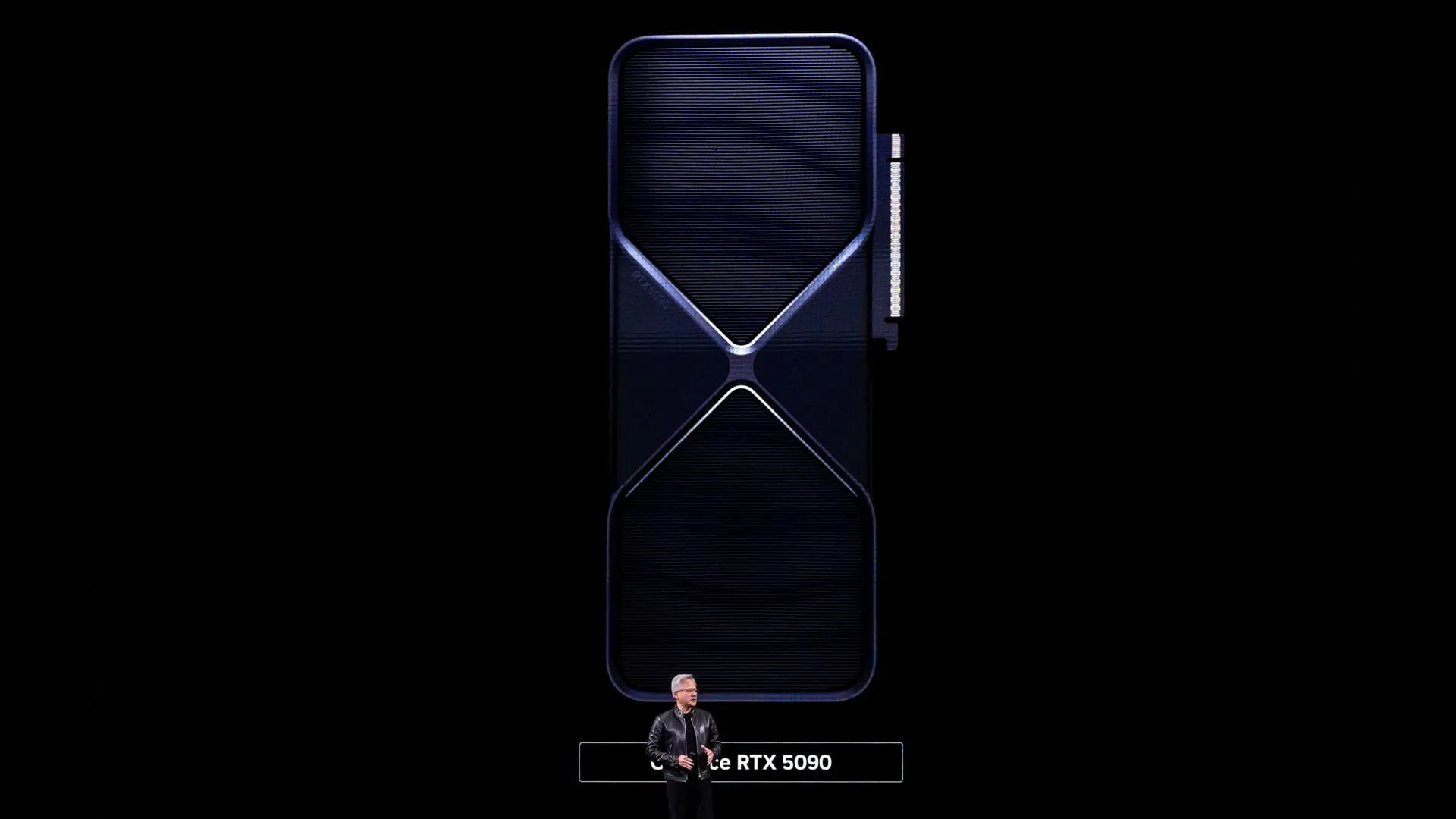
The chase for the GeForce RTX 5090, once the undisputed king of graphics cards, has morphed from a pursuit of high performance into a frustrating quest for an artifact. What started as a scarcity issue has escalated into a story of production halts, retail reclassifications, and whispered rumors about Nvidia’s shifting priorities.
For consumers and enthusiasts alike, acquiring this powerful flagship has become nearly impossible. The market, already grappling with price hikes and near-zero availability, is now facing a stark reality: the GeForce RTX 5090 is effectively disappearing from the U.S. market. This disappearance is fueled by recent speculation suggesting that Nvidia has reportedly paused production of the card in favor of focusing resources on high-demand areas like AI data centers and professional GPUs.
The physical evidence of this shift is visible in major retailers. Micro Center has taken a decisive step, reclassifying the Blackwell flagship as “Not Carried.” This designation is a critical distinction; it signifies that the retailer no longer expects to receive new inventory, moving the product from simply being out of stock to being removed from the active catalog entirely.
While custom cards from partners like Asus, MSI, and Gigabyte are still technically listed online, a closer look at physical locations reveals widespread unavailability. The scarcity is acute, even for the most sought-after configurations. For instance, the highly coveted Asus GeForce RTX 5090 ROG Astral Edition 20 remains available, but its availability is tied to expensive bundles, such as the Asus ROG 20th Anniversary Bundle, which can approach $11,000.
The story takes an intriguing, almost unbelievable turn when anecdotal accounts surface from store staff. One account suggests that employees at Micro Center reportedly removed the RTX 5090 cards from the shelves, just days before the rumors of a production halt gained traction. This suggests a deliberate, rapid change in retail inventory driven by unseen corporate directives.
This atmosphere of speculation is only amplified by the lack of official confirmation from Nvidia. Despite the intense market noise, the chipmaker still lists the GeForce RTX 5090 with an MSRP of $1,999, a price point unseen in recent history. However, the prevailing narrative suggests a strategic reallocation of silicon. It makes sense for Nvidia to channel the power of the GB202 silicon into higher-margin professional products, such as the RTX Pro 6000 Blackwell and RTX Pro 5000 series, where market demand will justify a premium.
Ultimately, the saga of the RTX 5090 serves as a cautionary tale. What was once an undisputed gaming flagship is rapidly transforming into a halo product—a testament to how quickly the technological landscape can be reshaped by market forces and internal strategic decisions. The golden age of the flagship GPU is giving way to a new, more specialized era.
Buy on Amazon
Credit
