RTX 5090 parts shortage AIB partners face roadblock
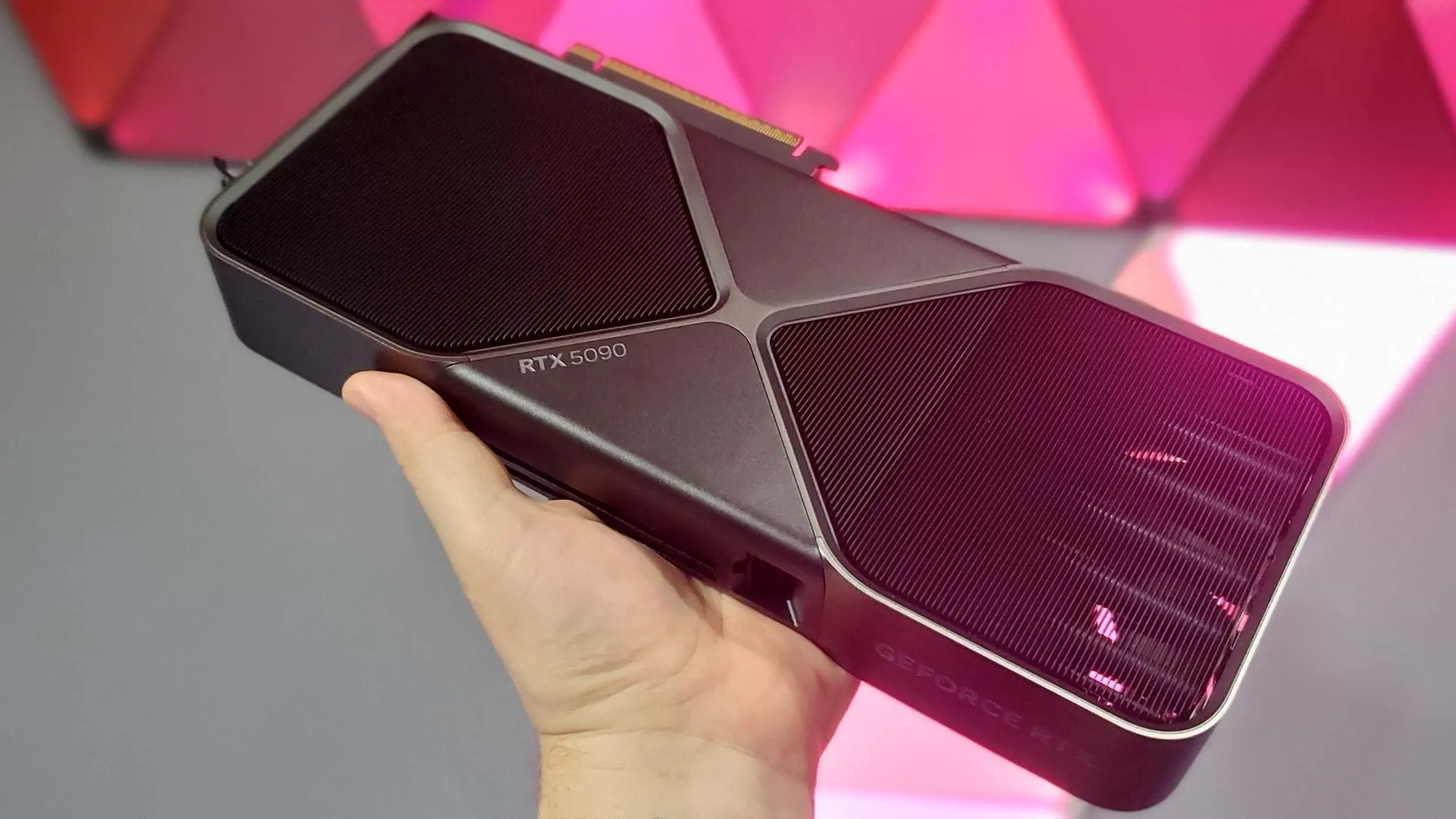
The Phantom GPU: Why the RTX 5090 Is Still Elusive
The world of high-end graphics cards is currently living in a state of delightful, frustrating limbo. For months, the RTX 5090 has been the subject of intense speculation, with rumors swirling that the flagship card was quietly discontinued. This phantom existence—vanishing from official marketplaces—only intensified the mystery. But when the rumor mill finally paused, Nvidia confirmed that the card is not dead, yet the reality for manufacturers and consumers remains a deeply frustrating puzzle of supply, pricing, and logistics.
The real headache, however, isn’t Nvidia’s official statement; it’s what the actual designers and makers are facing. AIB partners, the companies responsible for designing and manufacturing these cutting-edge graphics cards, are currently grappling with an unprecedented supply crunch. They are finding themselves unable to source the necessary components—specifically the GPU itself and the required 32 GB of GDDR7 memory—in the bundles they need to produce the 5090.
One industry partner revealed that while past shortages allowed for backorders with Nvidia, that option is now entirely unavailable. This means that even if the card is technically still in production, the physical parts required to build it are simply not accessible to the partners who need them most. This situation paints a stark picture: the physical supply chain is struggling far more than the marketing hype.
This bottleneck is compounded by the sheer cost of the hardware. The RTX 5090, which previously carried a premium MSRP of $2,000, has escalated into a prohibitively expensive commodity. As of now, finding a reputable seller offering the card at a reasonable price is an exercise in futility, with some listings reaching upwards of $8,000. This pricing dynamic makes it nearly impossible for the average enthusiast to simply pick up the hardware.
Experts suggest that the central problem likely lies in the scarcity of both the GPU and the VRAM. While Nvidia acknowledges limited supply chain capacity has led to a somewhat constrained output, the practical effect for partners is that they are stuck waiting, unable to predict when the supply issues will be resolved.
Even peripheral suppliers are feeling the squeeze. Cooler manufacturers, for example, have already reduced their order forecasts for RTX 5090 heatsinks significantly, reflecting the uncertainty about future demand and availability. This ripple effect shows that the constraint isn’t isolated to the final product, but impacts the entire ecosystem of high-end hardware development.
Ultimately, the story of the RTX 5090 is less about a single missing component and more about the friction points in the global supply chain. While Nvidia remains steadfast in assuring continued shipping, the current reality is a complex mix of corporate assurances and manufacturing headaches, leaving partners and consumers in a holding pattern, waiting for the promise of next-generation graphics to finally arrive.
Buy on Amazon
Credit
