RTX Spark gaming CoD on Windows on Arm future
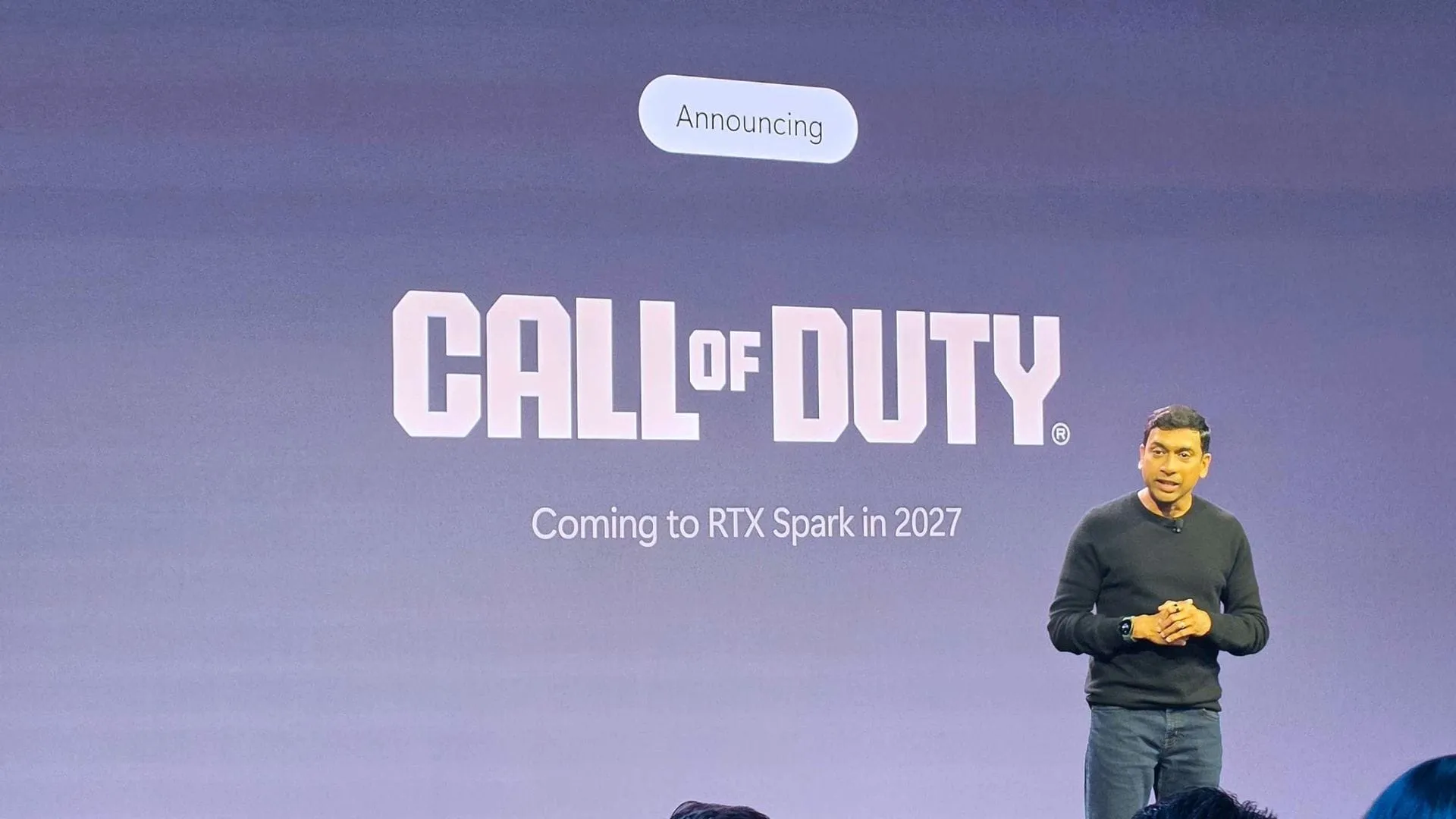
The convergence of Microsoft‘s vision and NVIDIA‘s hardware has created an exciting landscape, particularly when considering the intersection of advanced AI, specialized silicon, and the future of portable gaming. A recent co-event focused on the Microsoft Surface and NVIDIA RTX Spark technologies hinted at a future where high-performance, agentic operating systems are the norm, pushing the boundaries of what mobile and handheld devices can achieve.
While the spotlight often shines on the cutting-edge specs, a deeper conversation is taking place about the practical realities of running demanding software—especially video games. The challenge of ensuring fair and secure gameplay remains central to the PC gaming experience, and this focus extends to emerging platforms like those built on the ARM architecture.
This technical evolution has significant implications for major franchises. For instance, a long-term goal involves bringing titles like Call of Duty to platforms such as RTX Spark. Although this goal is further out, it highlights the ambition to integrate major gaming experiences onto the newest hardware architectures.
The real pivot, however, lies in the underlying technical necessities: anticheat support. For modern PC titles to function securely, they rely on robust, kernel-level security measures. This requirement has driven innovation across the industry, pushing developers and platforms to integrate security features seamlessly, even on diverse chip architectures.
This drive is already manifesting in the growth of Windows on Arm. The platform is proving itself to be a viable, first-class environment for various workloads, and the development of anticheat systems is steadily catching up to meet this demand. This progress is critical, as it lays the groundwork for future handheld gaming devices powered by ARM chips.
The fact that major anti-cheat technologies, including those used by titles like Activision’s Ricochet, are integrating support for Windows on Arm is a major step forward. This integration means that the potential for cutting-edge gaming experiences to migrate successfully onto diverse, power-efficient hardware is rapidly increasing.
Looking further ahead, the vision extends beyond current PC architecture. There is a clear trajectory toward a future where chips like the Qualcomm Snapdragon and NVIDIA’s RTX Spark can power powerful handhelds. The aspiration is to realize a world where these devices can run favorite games seamlessly, regardless of the underlying silicon.
This movement towards an adaptable, secure, and powerful ecosystem suggests that while the path to full gaming parity is unfolding, the direction is undeniably positive. The integration of these technologies signals a significant stride toward a more flexible and inclusive future for gaming and computing.
Buy on Amazon
Credit
