RTX Spark gets 25% faster with DLSS 5 update
The Next Level of AI Rendering: Diving into the World of DLSS 5
As the autumn season brings a surge in tech excitement, we’re not just seeing beautiful foliage; we’re witnessing a significant leap in PC gaming technology. Alongside the arrival of sleek platforms like the Nvidia RTX Spark, the landscape is being reshaped by advancements in AI upscaling. At the heart of this revolution is the latest update to DLSS, or DLSS Neural Rendering, which promises to redefine how we perceive virtual worlds.
This new iteration isn’t just about pretty pixels; it’s a serious engineering feat. Nvidia has refined the technology by optimizing its training data and significantly reducing the model size. This results in a model roughly 24% smaller, containing only about 118 million parameters. Furthermore, this optimization translates directly into real-world benefits for hardware: Nvidia reports a reduction in VRAM usage by 20% at 4K resolution, making high-fidelity gaming more accessible on existing systems.
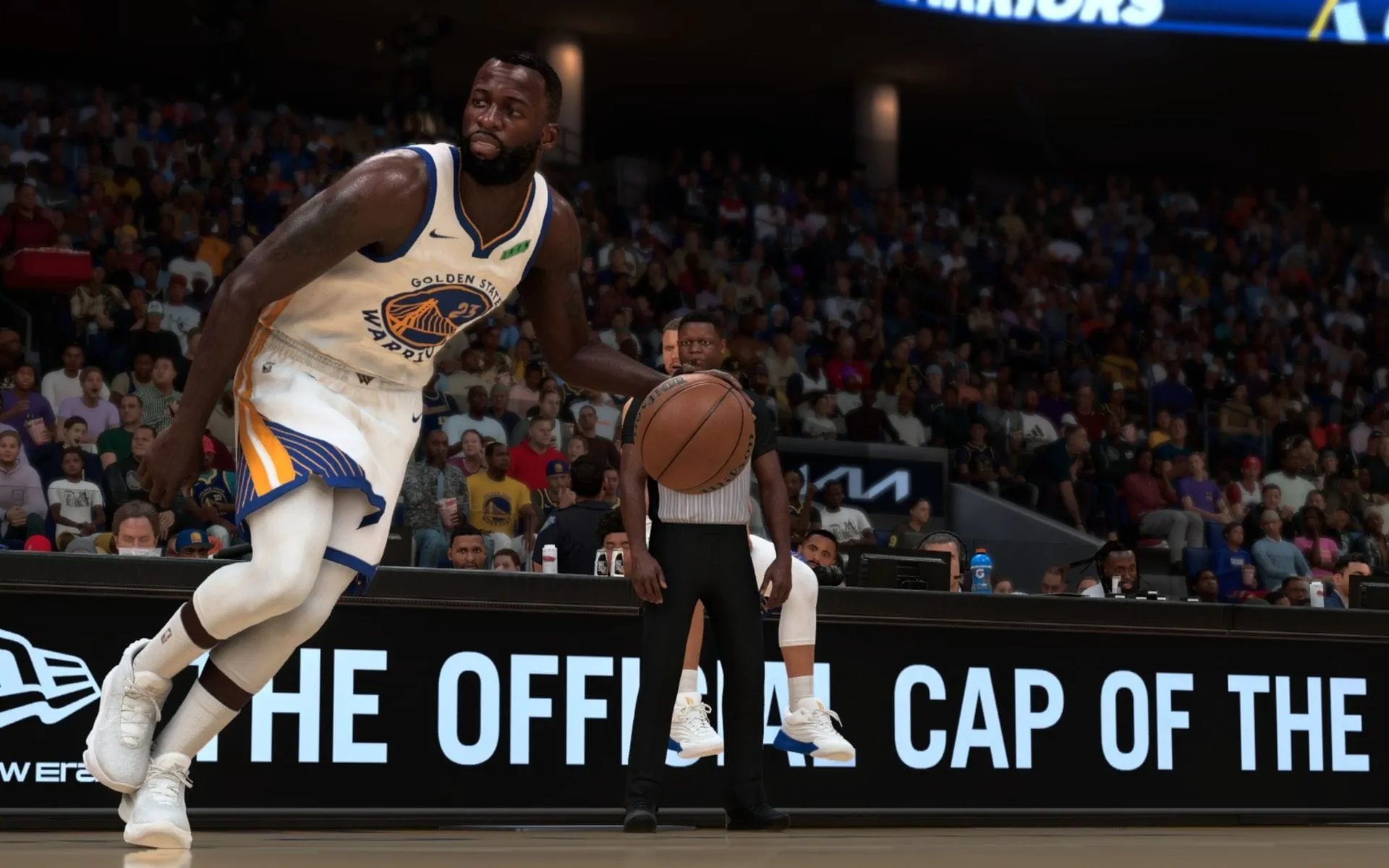
The real test of this new model comes down to performance. While Nvidia’s figures look great on paper, we need to see what happens when this technology is put to work in demanding games. We recently put the DLSS 5 Oct update to the test in NBA 2K27, running on the powerful Nvidia RTX Spark platform, to see if the performance gains are truly tangible.
The results showed an interesting dynamic. When running DLSS 5 without the update, the system achieved a solid 227 frames per second at 1080p. With the original DLSS 5 model, performance dropped to 143 fps. However, the October update introduced a new balance. By leveraging DLSS 5 with Balanced settings and 4x Multi Frame Generation, the system achieved 168 fps, showing a performance hit of only 33% compared to the previous model.
On the more intensive 1440p settings, the performance drop was more noticeable. The jump from 200 fps down to 134 fps demonstrates that while the technology is efficient, performance scaling remains a critical consideration. It’s clear that squeezing out those extra frame rates still requires some sacrifice, even with cutting-edge AI assistance.
While the raw numbers show a definite performance trade-off, the philosophical question remains: do the visual enhancements justify the performance cost? In a game like NBA 2K27, where the majority of the visual improvements are relegated to cutscenes and high-angle views, the benefit during active gameplay is less pronounced. This raises the expectation that future iterations of Neural Rendering will need to deliver a more compelling, real-time visual impact.
Ultimately, the technical achievement is undeniable. The ability to squeeze impressive fidelity from demanding hardware, even while managing performance, is a massive step forward. We look forward to seeing how developers integrate this refined technology into a wider range of titles, pushing the boundaries of what high-end PC gaming can achieve.
Buy on Amazon
Credit
