RTX Spark laptop prices revealed they are shockingly expensive
The AI Hardware Paradox: When Local Power Meets Prohibitive Prices
It is the best of times, and it is the worst of times, as a new generation of laptops promises a revolutionary shift in how we interact with artificial intelligence. Nvidia’s RTX Spark hardware is set to enter the market, ushering in a new line of agentic, local AI-focused notebooks. Pre-orders are officially open, with a highly anticipated release date set for October 16, 2026.
But beneath the excitement of cutting-edge silicon lies a stark economic reality. These machines are built specifically to handle the intense demands of local AI processing, which necessitates massive amounts of unified memory. Yet, this very requirement has driven hardware costs to levels that feel almost prohibitive for the average consumer.
The irony is palpable: we are designing systems for the future of local AI, but the manufacturing and pricing structures seem designed to keep these powerful tools out of reach. This creates an ouroboros effect where the drive for powerful, local compute makes the creation and sale of these new systems unnecessarily difficult for many.
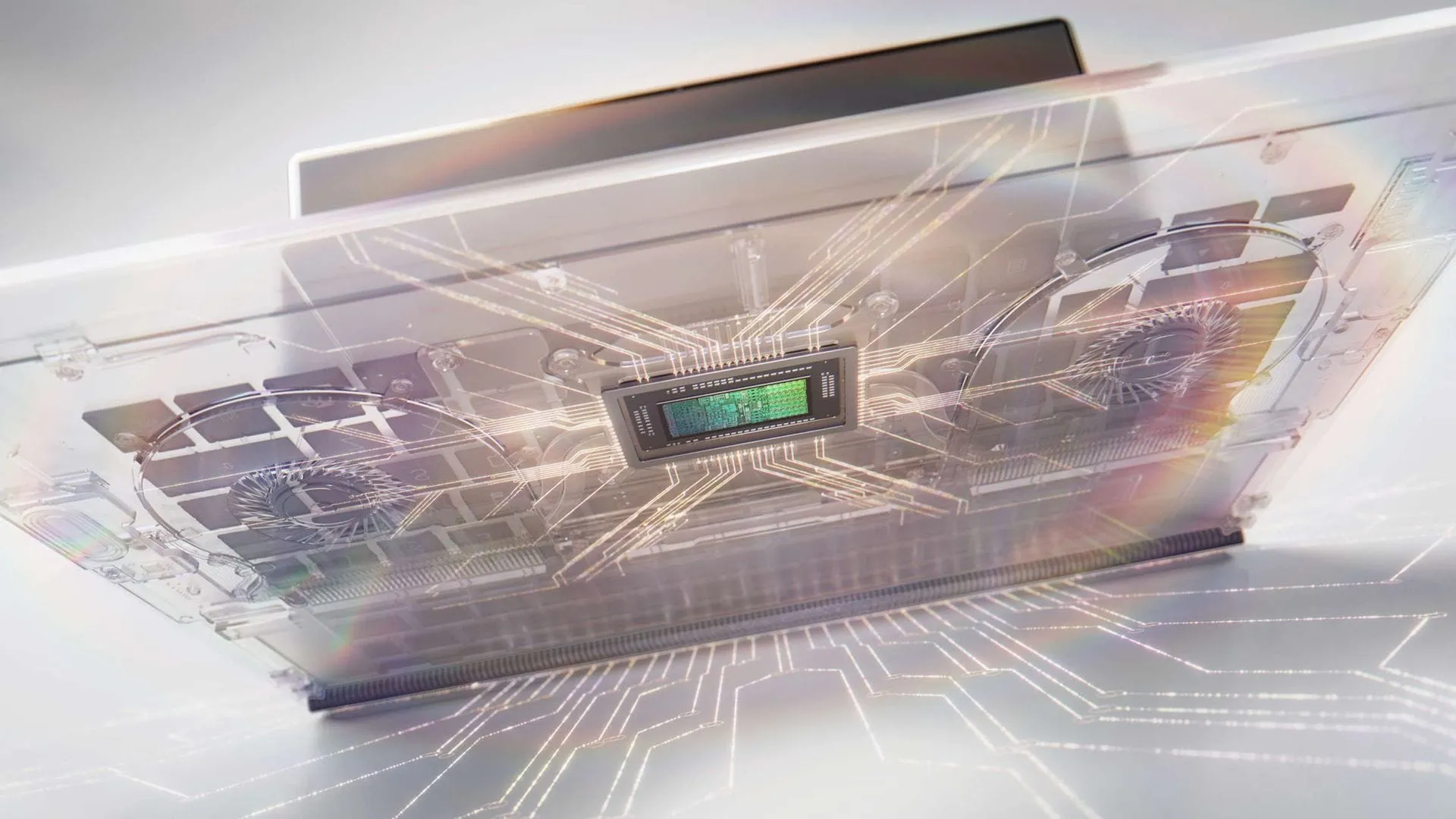
At the core of the RTX Spark line are two variations of the Nvidia N1X processor, offering power and performance tailored for AI workloads. These units feature either a 20-core, 6144 CUDA core design or an 18-core, 5120 CUDA core version. These Arm-based SoCs integrate Nvidia GPU components and come with varying amounts of un-upgradeable, soldered-on unified memory, ranging from 24 GB up to 128 GB.
When examining the entry-level configurations, the price tag immediately raises eyebrows. For example, a 24 GB configuration paired with the 18-core N1X processor, along with a 512 GB SSD, is projected to cost around $2,600. For a laptop designed to be a local AI powerhouse, this price point demands scrutiny when compared to other high-performance hardware.
Some might argue that the cost is justified, especially when comparing these systems to high-end gaming laptops that offer similarly powerful graphics and memory, or even comparable Surface Ultra models. However, the true value proposition for an AI builder lies in having a solid, long-lasting memory pool that is not artificially constrained.
The high-end options demonstrate the spectrum of this challenge. A fully kitted out model, such as the Asus ProArt P16 with 128 GB of unified memory and a 2 TB SSD, is priced at a staggering $7,000. Even the mid-range 64 GB version remains a significant investment at $4,500. This context makes the cost feel much more reasonable when juxtaposed against systems that offer similar processing power and memory capacity.
Despite the price hurdles, there is genuine excitement surrounding the potential. These laptops are expected to deliver RTX 5070-level gaming performance, suggesting a powerful byproduct for AI enthusiasts. Furthermore, the integration of local AI capabilities—such as running complex models using tools like ComfyUI and Unsloth—presents a fascinating new frontier for hardware.
The real game-changer may not be the laptop itself, but the industry shifts these devices signal. Microsoft is dropping the ‘On Arm’ suffix for its OS, and the mainstream adoption of Arm SoCs tied to powerful discrete GPUs is a massive step. Coupled with Windows’ new Hybrid Intelligence toggle, the potential to bring AI processing local—shifting the burden away from massive data centers and easing the current memory crisis—is a compelling narrative.
Ultimately, while the initial pricing presents a significant hurdle for a wider audience, these RTX Spark laptops have the potential to be a crucial turning point. They offer a path toward a more decentralized, powerful, and locally controlled AI ecosystem.
Buy on Amazon
Credit
