RTX Spark PC on a 10-hour trip what it needs to prove
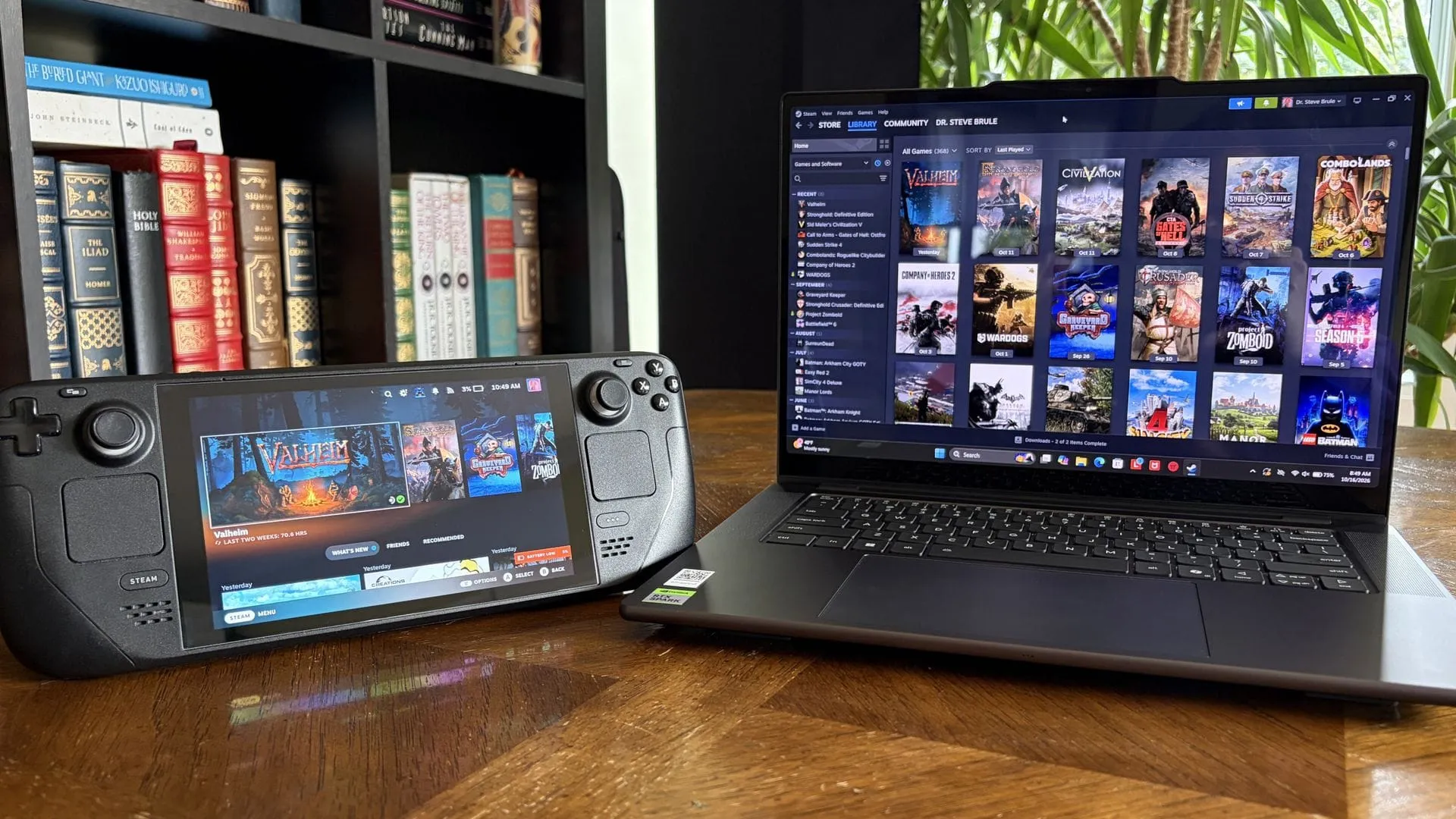
The modern traveler’s dilemma often boils down to a single question: can one device truly handle the demands of both high-end gaming and professional productivity on the go?
For many, the answer has been a complicated negotiation between portability and performance. I recently put this theory to the ultimate test, packing up my trusty Steam Deck and deciding whether my new setup—a Lenovo Pro 9n powered by NVIDIA’s RTX Spark chip—could manage the 10-hour journey.
The promise of a single device capable of everything, from deep immersion in AAA games to focused work like writing, browsing, and photo editing, has been advertised countless times. But can this vision translate into real-world efficiency, especially when factoring in the realities of battery life and thermal management?
The challenge wasn’t just about packing light; it was about proving that the RTX Spark platform could flawlessly balance demanding tasks without forcing a choice between gaming power and professional endurance.
The Ray Tracing Dilemma
One of the major talking points when evaluating this integrated approach is the performance trade-off. While the RTX Spark platform boasts the latest features for upscaling and frame generation, pushing visual fidelity often comes at a cost. For instance, running demanding games with features like ray tracing, while visually stunning, proved to be taxing on the system’s efficiency. We saw that demanding visual effects significantly accelerated battery consumption, draining power rapidly over a long trip.
This raises a crucial question for portable computing: is turning on advanced graphical features worth the energy expenditure when you are away from a power outlet? It forces users to calculate the true cost of visual flair versus practical longevity. The goal is to determine if ray tracing is a worthwhile feature when power independence is paramount.
The Portability Paradox
Another facet of the test involves the physical experience. Having a full laptop, even a slim one, on your lap for extended gaming sessions introduces thermal and ergonomic considerations that a dedicated handheld device often avoids. While the ability to consolidate two devices into one is appealing for space-saving, there’s a trade-off in comfort and heat distribution.
The success of the combined setup hinges on the system’s ability to seamlessly shift focus. It must handle the heat generated by intensive gaming while maintaining sufficient battery capacity for essential work tasks—writing, web browsing, and editing—all while balancing the thermal load inside a confined space.
Ultimately, whether the RTX Spark laptop truly succeeds as a multi-tasking powerhouse depends on its ability to master the delicate dance between high-performance gaming, professional productivity, and sustainable battery management. The results of this real-world endurance test will provide the definitive answer on whether this integrated approach truly replaces the need for separate gaming and work devices on the road.
Buy on Amazon
Credit
