RTX Spark Superchip powers the Surface Laptop Ultra
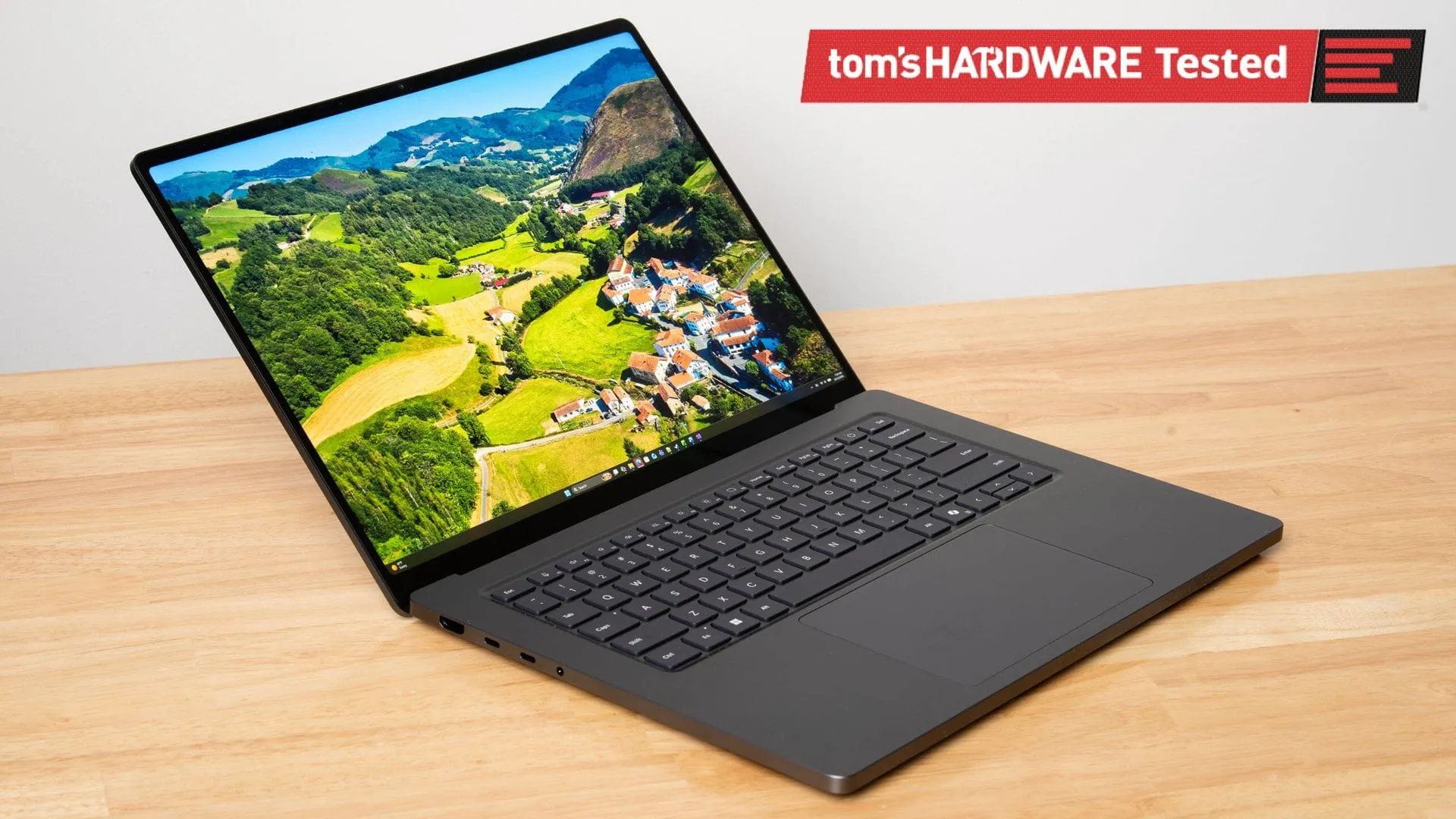
Nvidia’s RTX Spark: The Ambition to Reinvent the PC
Nvidia CEO Jensen Huang is pushing for a radical shift in personal computing with the unveiling of the RTX Spark platform, aiming to transform the PC into an active, autonomous companion for work and creation. The goal is ambitious: to redefine the PC experience by integrating the GB10 Superchip with a version of Windows on Arm, designed specifically for the secure and contained execution of local AI agents.
This vision is backed by a serious hardware foundation. The RTX Spark platform features a powerful Superchip boasting 20 CPU cores, 6144 CUDA cores, and 128GB of high-speed LPDDR5X-9400 RAM. This raw power is bundled with a suite of major partners—including Microsoft, Dell, HP, MSI, Lenovo, and Asus—all committed to paving the way for this new mobile computing future.
To gauge the platform’s potential, detailed testing was conducted, pitting the RTX Spark system against top competitors. The testing focused on agentic AI performance, a critical metric for the platform’s future viability. To capture the true efficiency of an AI system, researchers utilized a novel benchmark called AgentPerf-local, which measures the total time required for an AI agent to complete a multi-step task.
In these demanding agentic benchmarks, the RTX Spark platform proved its worth. Despite competitors like Apple’s top-end M5 Max and AMD’s Ryzen AI Max+ 395 (Strix Halo), the RTX Spark consistently demonstrated superior performance in local AI tasks. Whether running the highly intelligent Qwen 3.8 27B model or the lighter Qwen 3.6 35B model, the RTX Spark emerged as the fastest contender, suggesting that the Blackwell GPU on board the GB10 chip possesses enough practical AI horsepower to lead the pack.
This advantage is particularly compelling for the local AI movement. For instance, the platform outperformed the MacBook Pro and the Ryzen AI Halo in complex agentic testing, indicating strong potential for integrating popular local models with advanced agentic workflows.
However, the journey to reinventing the PC is not without its hurdles. While the AI capabilities are impressive, the platform still faces challenges in traditional gaming performance. The shared memory bandwidth of the GB10 SoC, combined with the overhead of Prism x86 emulation, creates limitations in graphically intensive tasks. Games like Gears of War: E-Day showed CPU-boundedness and performance bottlenecks, suggesting that the platform is not yet optimized for the demanding, low-latency needs of dedicated gaming.
Ultimately, the RTX Spark platform represents a powerful convergence of silicon innovation and enterprise partnership. It successfully delivers on the promise of high-performance local AI processing, positioning itself as a leading contender in the evolving landscape of autonomous computing. The next critical steps involve ensuring software maturity, particularly with Windows fully integrating Nvidia and Microsoft’s secure agentic AI promises, and addressing the system’s thermal and memory bandwidth constraints to fully unlock its potential for the next generation of PC users.
Buy on Amazon
Credit
