RuneScape 4 starts as Dragonwilds survival game
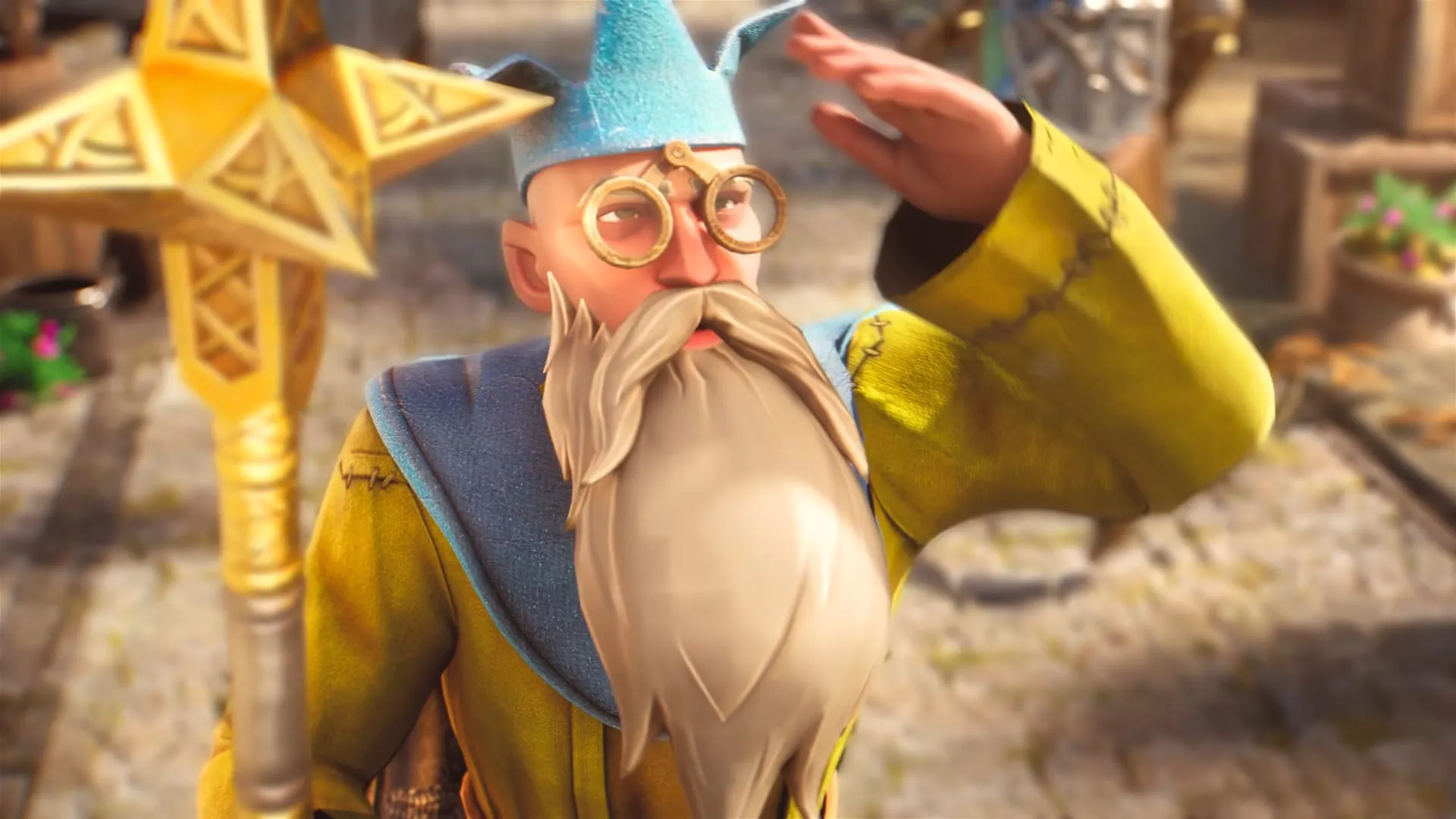
The world of massive multiplayer online role-playing games is buzzing with anticipation as developer Jagex unveiled the next grand adventure: RuneScape 4. The highly anticipated follow-up to the iconic title was announced this weekend at the annual RuneFest convention, signaling a fresh direction for the long-running series.
The reveal wasn’t just a title; it came with a tantalizing teaser trailer that immediately set a nostalgic yet ambitious tone. The footage showcased a vibrant, medieval town nestled in a verdant valley surrounded by floating islands. It’s a visually rich vision that deftly blends classic fantasy with modern scale, hinting at a world brimming with unexplored possibilities.
This new iteration appears to be a fascinating hybrid. It draws inspiration from the classic charm of Old School RuneScape, harkening back to the series’ celebrated 2000s heyday, while incorporating the advanced systems and art direction refined in RuneScape 3. The result is a vision that feels both deeply familiar and refreshingly new, promising an experience that honors the roots of the franchise while pushing the boundaries of MMO design.
Behind the announcement lies a compelling story of player desire. Reports indicate that the concept for RuneScape 4 emerged from planned expansions for the Dragonwilds survival game. Developers listened closely to the community, who voiced a clear request for a more traditional, deeply immersive MMO experience that embraced the aesthetic and feeling of the earlier installments.
To realize this expanded vision, Jagex is building the new world on the powerful foundation of Unreal Engine. This technological leap promises enhanced graphics and more complex environments, setting the stage for an evolution in gameplay mechanics.
The roadmap for this development also reveals an intriguing timeline. While the original Dragonwilds expansion was slated for release in 2027, the decision to scale up the project into a full, standalone MMO has naturally extended the development window, ensuring that the final product will be a truly expansive world.
For those tracing the lineage of the franchise, understanding the history is key. The numbered releases reflect significant milestones: RuneScape launched in 2001, introduced full 3D rendering with RuneScape 2 in 2004, and the art and systems were completely overhauled with RuneScape 3 in 2013. Now, as the next chapter unfolds, the focus shifts to how this evolution will integrate the legacy, whether through seamless character progression or the preservation of beloved older elements.
The next few months promise an exciting deep dive into what RuneScape 4 will look like. As the world of RuneScape continues to evolve, the community is eagerly awaiting further details on how Jagex plans to weave its rich history into this ambitious new tapestry.
Buy on Amazon
Credit
