Russia bombs Ukrainian data centers in latest escalation
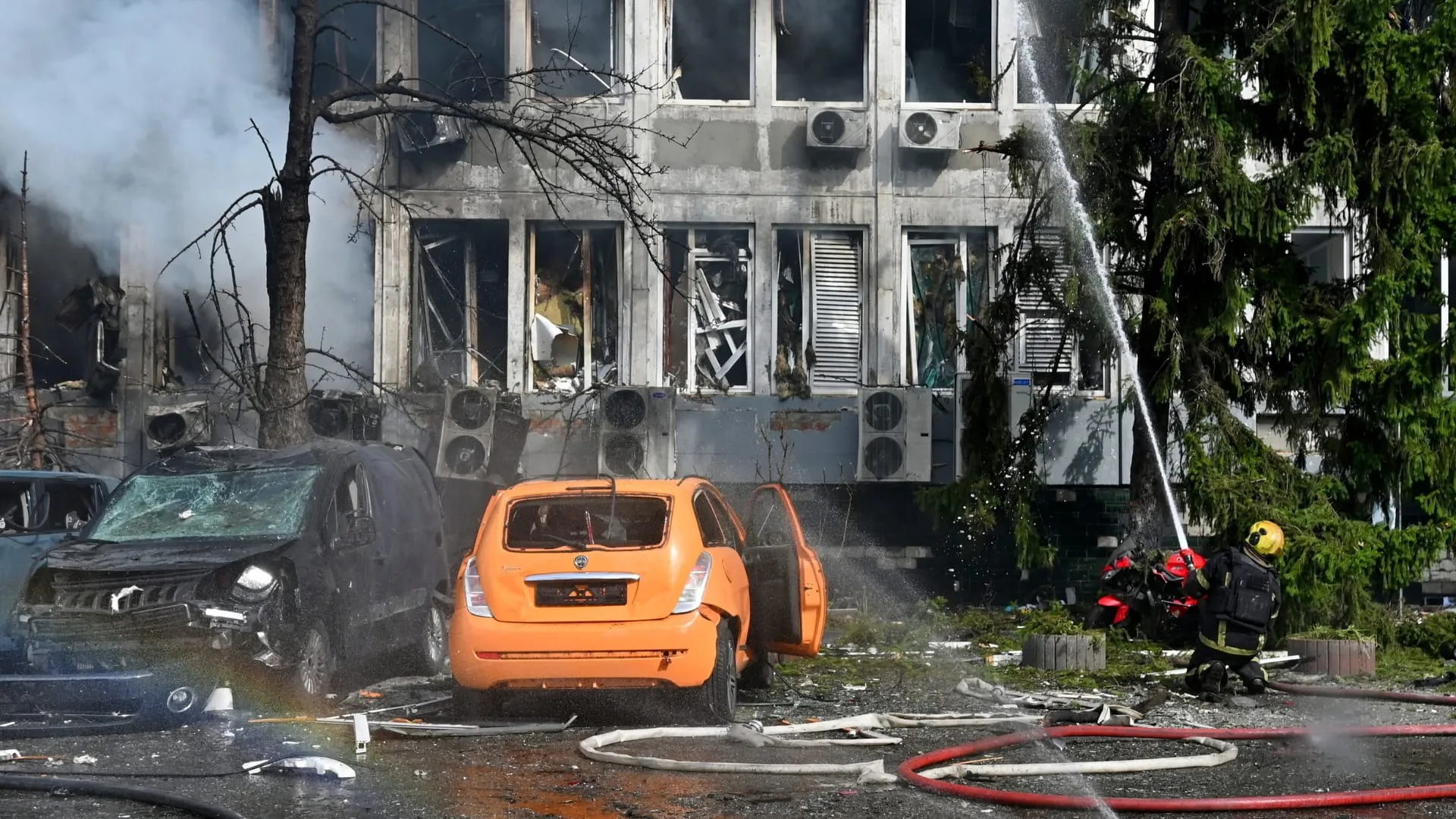
In the ongoing conflict, the battle lines are being drawn not just on the physical terrain but in the digital realm. The modern war is increasingly fought over fiber optics and server racks, as reports confirm that the Russian military has launched striking operations against vital data centers located within Ukraine.
This escalation has hit the heart of civilian connectivity. A recent drone strike targeted a data center situated in a central business district in Kyiv, resulting in damage and the tragic loss of four lives in the area. Beyond this specific incident, multiple reports indicate that other critical data centers and network infrastructure across the country have also been targeted, disrupting essential services.
The consequences are far-reaching. These attacks immediately sever the connection for approximately 100,000 households in Ukraine, plunging communities into a state of digital isolation. Companies, in response to this deliberate disruption, have begun the complex process of migrating their data across borders to maintain operational continuity.
President Volodymyr Zelensky addressed the situation, emphasizing the profound impact on ordinary people. He stated that the attacks are designed to maximize disruption for the common populace, directly affecting their ability to stay connected, study, and work. He called for the global community to respond, demanding that Russia face repercussions for its actions.
The Russian side has confirmed responsibility for the attack on the Datagroup site, claiming that Ukrainian military intelligence utilized the facility. Furthermore, Moscow has asserted that it is targeting other critical data and telecommunications centers belonging to entities such as New-Telco, United DC, Kyivstar, and Parkovyi.
The implications for civilian life, however, run deeper than mere connectivity. Ukraine’s Foreign Minister Andrii Sybiha stressed that targeting these facilities directly impacts the flow of “life-saving information.” He emphasized that these centers house crucial civilian infrastructure, arguing that they should not be military targets, as their function is essential to keeping everyday life operational.
Data centers are no longer just physical buildings; they are recognized as strategic targets in modern conflict. While government-owned processing sites were historically priority targets, recent events mark a significant shift, showing a deliberate focus on commercial and civilian digital infrastructure. This mirrors patterns seen in other conflicts, where attacks have specifically targeted commercial facilities and technologies, including major tech companies and AI infrastructure.
This attention to digital infrastructure underscores a new reality: in a digitized world, the network itself has become a weapon. The disruption of these hubs highlights how increasingly interconnected our society is, making the integrity of the digital backbone a paramount concern for all parties involved.
Credit
