Russia deploys 3D-printed cruise missiles with US electronics in Ukraine
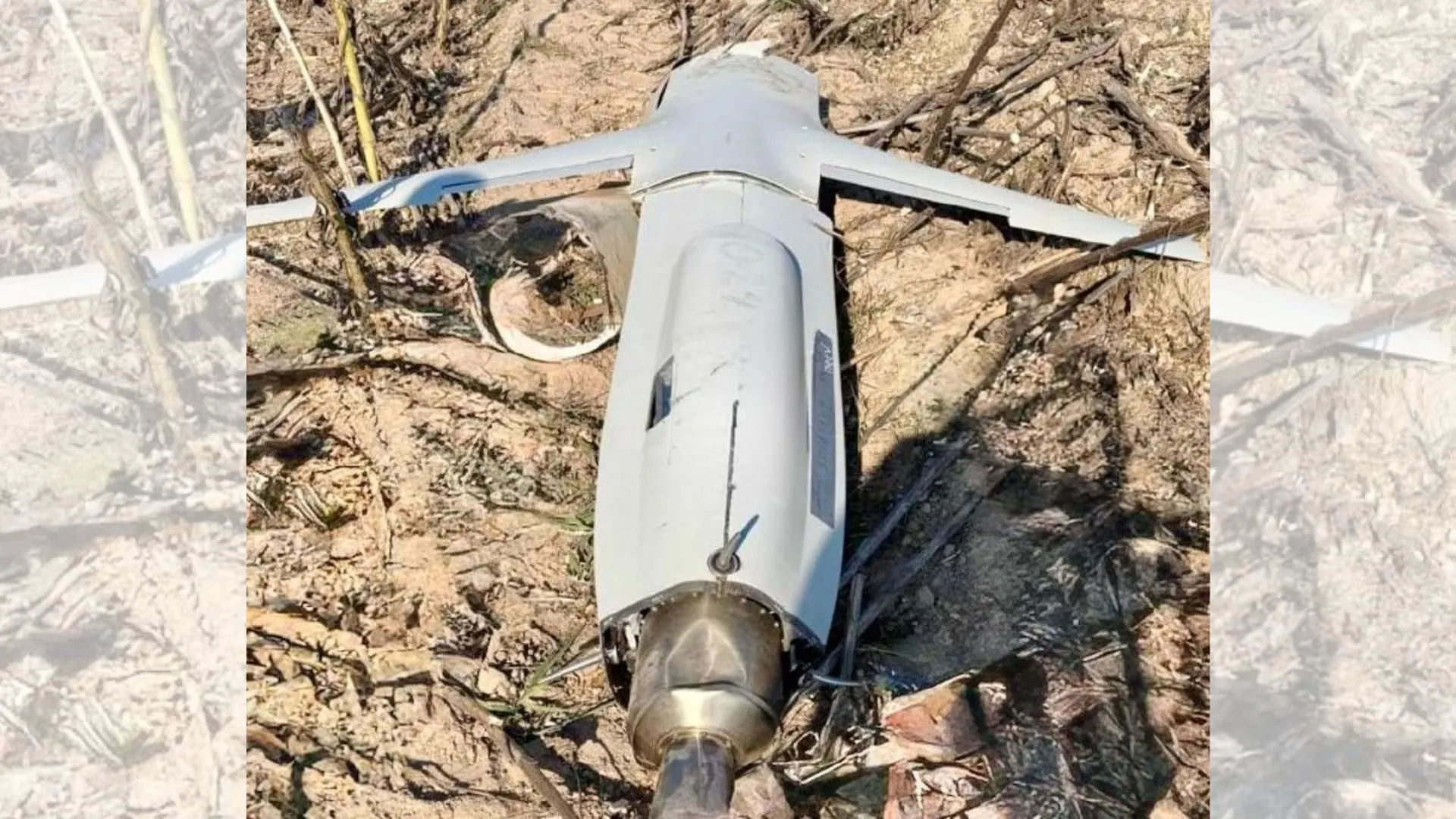
The conflict in Ukraine has evolved into a brutal war of attrition, where both sides are increasingly focused on finding cost-efficient ways to wage war. Amid this struggle, a new, unsettling development in Russian military technology has raised serious concerns for Kyiv: the emergence of sophisticated, low-cost cruise missiles manufactured using advanced 3D printing techniques.
Military intelligence from Ukraine’s GUR has released details regarding the “Filin” cruise missile, a new weapon system first deployed in the region around September and October of this year. These missiles represent a significant step in finding ways to overwhelm established air defenses through sheer volume.
What makes the Filin particularly worrying is its design and performance. Unlike older, expensive counterparts such as the Kh-101 cruise missile, the Filin is significantly more affordable. This cost advantage is rooted in its construction, which utilizes a carbon and fiberglass fuselage incorporating complex 3D-printed parts. This additive manufacturing process allows for the creation of unique geometries that are cost-efficient to produce, speeding up manufacturing rates for complex items.
In terms of speed and range, the Filin is designed to punch above its weight. It reportedly achieves speeds of up to 500 mph and boasts a range exceeding 700 miles. While this isn’t the velocity of modern fighter jets, the increased top speed presents a formidable challenge to existing Ukrainian air defense systems, demanding faster reaction times.
The low cost of the Filin stems from a clever supply chain. Moscow was able to keep production expenses down by relying on commercially available parts from both domestic and foreign companies. Furthermore, the missile utilizes Russian-made engines, while critical electronic components, such as flight controllers and inertial navigation systems, are reportedly sourced from Western nations and their allies, including the United States, China, Japan, Switzerland, Taiwan, and the Netherlands.
This blend of localized manufacturing and global component sourcing highlights how sophisticated technology can be rapidly deployed. The use of 3D printing, while not always cheaper than traditional methods, proves highly effective for producing complex components quickly and efficiently, potentially enabling a tactic known as “missile spam.”
The fear is that these cheaper, faster weapons allow Russia to launch a barrage of attacks, aiming to overwhelm Ukrainian defenses with sheer numbers. This shift underscores a critical reality of modern conflict: the arms race is increasingly determined not just by firepower, but by the ingenuity of manufacturing and the strategic application of technology.
Credit
