Russian chipmakers demo RISC-V and Arm chips playing retro games
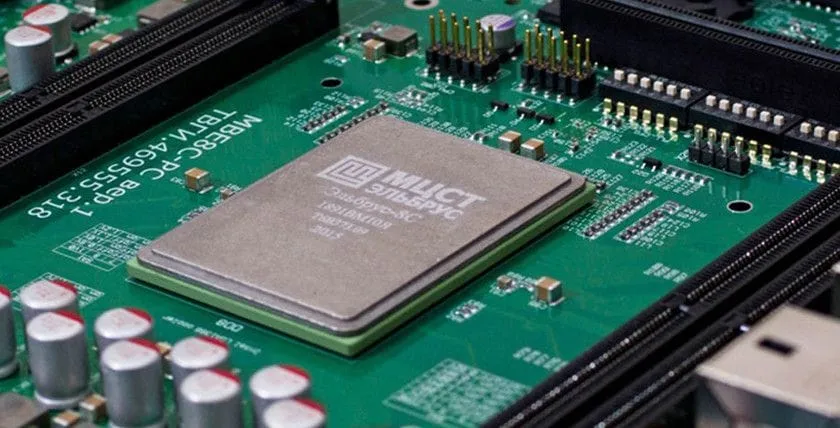
Russia’s Silicon Revolution: Building the Future Chipset Despite Sanctions
When geopolitical realities cut off access to Western hardware, the race for technological independence often turns inward. In the realm of microelectronics, Russia is demonstrating that homegrown chip designs—based on architectures like Elbrus and RISC-V—are not just theoretical concepts but tangible, working realities ready for real-world applications.
Recent events, such as the Microelectronics 26 (ME26) forum in Sochi, have served as a vibrant stage for these indigenous innovations. Rather than hiding behind diplomatic barriers, developers showcased a range of projects, cleverly applying cutting-edge silicon to consumer entertainment and industrial automation.
One fascinating example came from Baikal Electronics, which unveiled the BE-U1000 microcontroller. This embedded component is built around a 32-bit RISC-V core setup, featuring multiple CloudBear cores and other processing units. While intentionally sparse in flash and memory for embedded systems—with 256 KB of flash and 192 KB of SRAM—the chip is packed with versatile I/O interfaces, making it perfectly suited for robotics, IoT devices, and sensor applications.
The application went beyond simple sensors. Developers used this technology to create consumer-facing products, including a controller-and-console featuring the BE-U1000 chip, which included a retro gaming experience like Chip ‘n Dale: Rescue Rangers. This shows a powerful capacity to bridge advanced architecture with accessible gaming and multimedia experiences.
Meanwhile, the high-end sector is also making waves. The Russian-developed Elbrus-16S chip, based on the 16 nm process, is being explored for sophisticated server prototypes, boasting 16 cores and the potential for up to 2TB of RAM. This high-performance architecture is poised to drive innovation in data centers and high-end computing.
Further diversifying the landscape, other processors like the Elbrus-2S3 chip are being targeted for smaller form-factor devices, aiming to compete with leading single-board computers. These efforts underscore a determined push to develop a complete, sovereign semiconductor ecosystem.
The narrative emerging from these showcases is one of technological ingenuity. Whether deploying RISC-V for resource-constrained IoT gadgets or utilizing powerful Elbrus architectures for advanced servers, Russia is actively proving its ability to design and manufacture sophisticated silicon, ensuring that the future of computing is built on homegrown foundations.
Buy on Amazon
Credit
