Russian trawlers map undersea cables connecting US and Europe
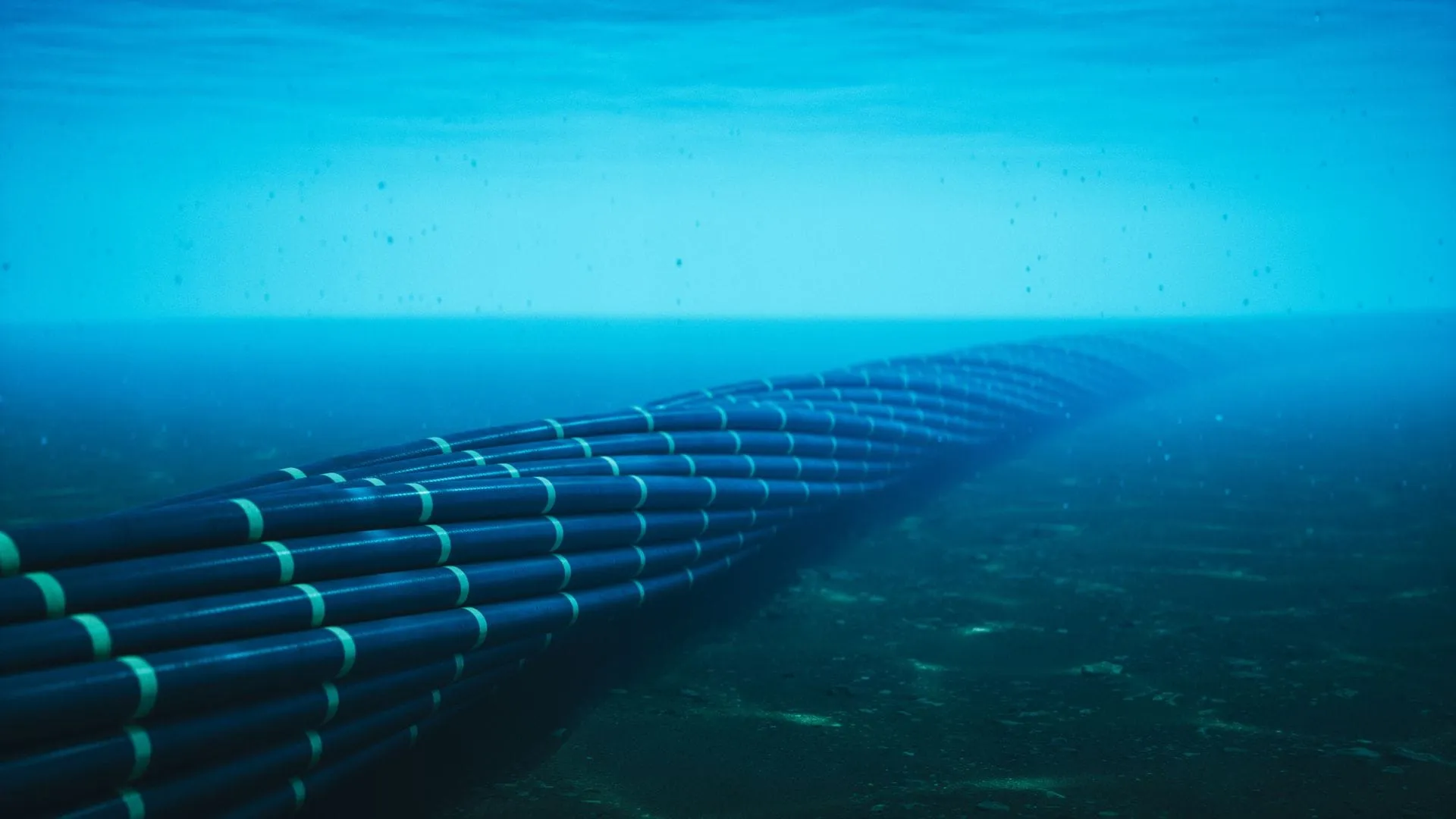
Beneath the waves lies the silent, sprawling nervous system of the modern world: the vast network of undersea communication cables that carry billions in global economic activity. These physical threads, often buried deep beneath the ocean floor, are far more than just wires; they are the arteries of international commerce and digital life, and consequently, they are some of the most valuable, and most vulnerable, assets on Earth.
Recently, a new and unsettling dimension to this deep-sea infrastructure has emerged. Investigations have revealed that commercial fishing trawlers, vessels seemingly focused solely on catching fish, have been repurposed for high-stakes reconnaissance, acting as unwitting scouts for intelligence gathering. Reports indicate that Russian fishing boats have been observed loitering over critical communication cables connecting the United States and Europe for over four and a half years, mapping out vital infrastructure using satellite data.
The method is deceptively simple: satellite imagery tracks the suspicious movements of these vessels, which are then cross-referenced with nautical charts detailing the locations of the underwater cables. The sheer scale of the operation is staggering. These tracking efforts have uncovered over 500 incidents where Russian ships were seen hovering above these essential lines, gathering information that could reshape international security.
These weren’t random voyages. Analysts have identified specific, strategic targets. For instance, one vessel was tracked following the routes of multiple cables, including the Atlantic Crossing 1 telecommunications cable and the decommissioned TAT-14 cable. Others were seen surveying routes like the trans-Atlantic Hibernia Express cable and the Shefa-2 cable, which links the Faroe Islands to Shetland. Even some ships were observed following the tracks of the Amitie and Grace Hopper cables, connecting the UK, France, Spain, and the US.
The intent behind these slow, deliberate maneuvers is clear. While these commercial vessels move at leisurely speeds—sometimes only two or three knots—naval experts suggest they are large enough to house advanced, uncrewed surface vehicles or remotely operated vehicles. By deploying sonar-equipped robots just a hundred meters above a target feature, these ships could map the infrastructure with millimeter precision, gathering intelligence that is invaluable to any adversary.
This activity places the undersea cables squarely in the crosshairs of geopolitical tension. With an estimated $87 billion worth of economic activity flowing through this infrastructure, these cables are considered primary targets should a conflict erupt between NATO and Russia. This subtle, commercial activity falls into the shadowy realm of gray-zone warfare, where actions by seemingly innocuous civilian ships can be difficult to trace back to the Kremlin.
The vulnerability of this system is stark, especially considering the physical constraints of protection. Most of these vital cables traverse international waters, making constant physical patrols extremely challenging. While navies certainly monitor these suspicious vessels, the nature of their presence—operating as commercial fishing boats—means that their suspicious activities often do not provide sufficient legal grounds for detention or seizure.
The threat is not just confined to espionage. There have been recent, real-world incidents where the security of these cables has been directly tested. Disruptions have occurred across Europe in 2024, and other nations have faced damage, prompting global scrutiny over who controls the digital pathways of tomorrow. From the threat of sabotage to the actions of state-backed entities, the deep ocean continues to serve as a crucial, yet fragile, battleground for global power.
Buy on Amazon
Credit
