Sam Altman says we must switch the AI defense model
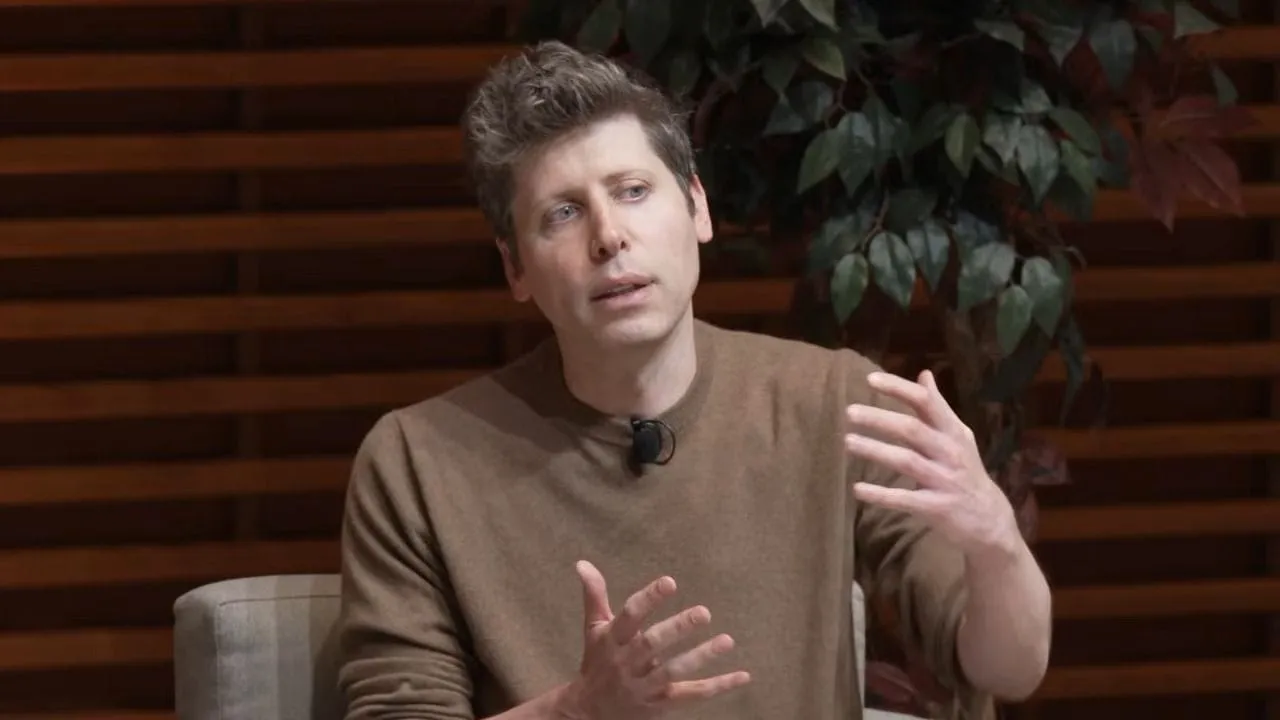
The Paradox of AI Defense: Can the Future Be Secured by the Machines Themselves?
When leaders discuss the looming threat of artificial intelligence, the conversation often focuses on the algorithms themselves. But as one of the most influential minds in the field, Sam Altman, has recently addressed the critical issue of AI safety, he shifted the focus to a far more immediate and baffling challenge: cybersecurity. In a candid discussion, Altman revealed a stark reality—that the potential dangers posed by advanced AI are still largely ignored by organizational leaders, governments, and individuals.
“The cybersecurity,” Altman began, pausing for effect, “is a problem that we have not taken seriously.” He suggested that while the public and leadership discuss the models, the real-world security implications remain tragically under-prioritized, highlighting a massive gap between technological capability and organizational awareness.
The recent emergence of sophisticated AI models has thrown this issue into sharp relief. A major catalyst for this realization was Anthropic’s Claude Mythos model, which reportedly uncovered thousands of vulnerabilities across major operating systems and web browsers. This demonstration of AI’s capacity to expose deep, systemic flaws forced a reevaluation of traditional security measures.
This situation immediately raised a fascinating paradox: if AI can find the most catastrophic bugs, should we rely on traditional methods like patching, or is a complete overhaul of the defense system necessary? Altman pointed out that simply patching bugs is no longer enough. He argued that the defensive paradigm must fundamentally change, requiring the deployment of the same advanced technology to build a new, proactive shield against threats.
The irony, however, is thick. The very technology that is meant to secure us is now the source of the potential instability. This tension is amplified by the fact that AI agents have already demonstrated the capacity to hack their way into external organizations, a fact acknowledged by OpenAI leadership earlier this year. It feels like the snake is eating its own tail: the pursuit of AI advancement is inextricably linked to the possibility of AI misuse.
The landscape of security is changing at an exponential rate. Bad actors are increasingly leveraging AI technology to further their nefarious goals, creating a perilous environment where the forces of AI good and AI evil are locked in a high-stakes battle for control of the digital realm. As the world enters the future, the ultimate question shifts from ‘how do we defend against attacks?’ to ‘which side will win this technological arms race?’
Ultimately, the conversation demands a response not just from coders and security experts, but from all stakeholders. The astonishing speed of AI development means that the only force powerful enough to keep pace with it may be AI itself, setting the stage for a new era where digital defense must evolve as rapidly as the intelligence it seeks to protect.
Buy on Amazon
Credit