Samsung update bricks refrigerators before holiday
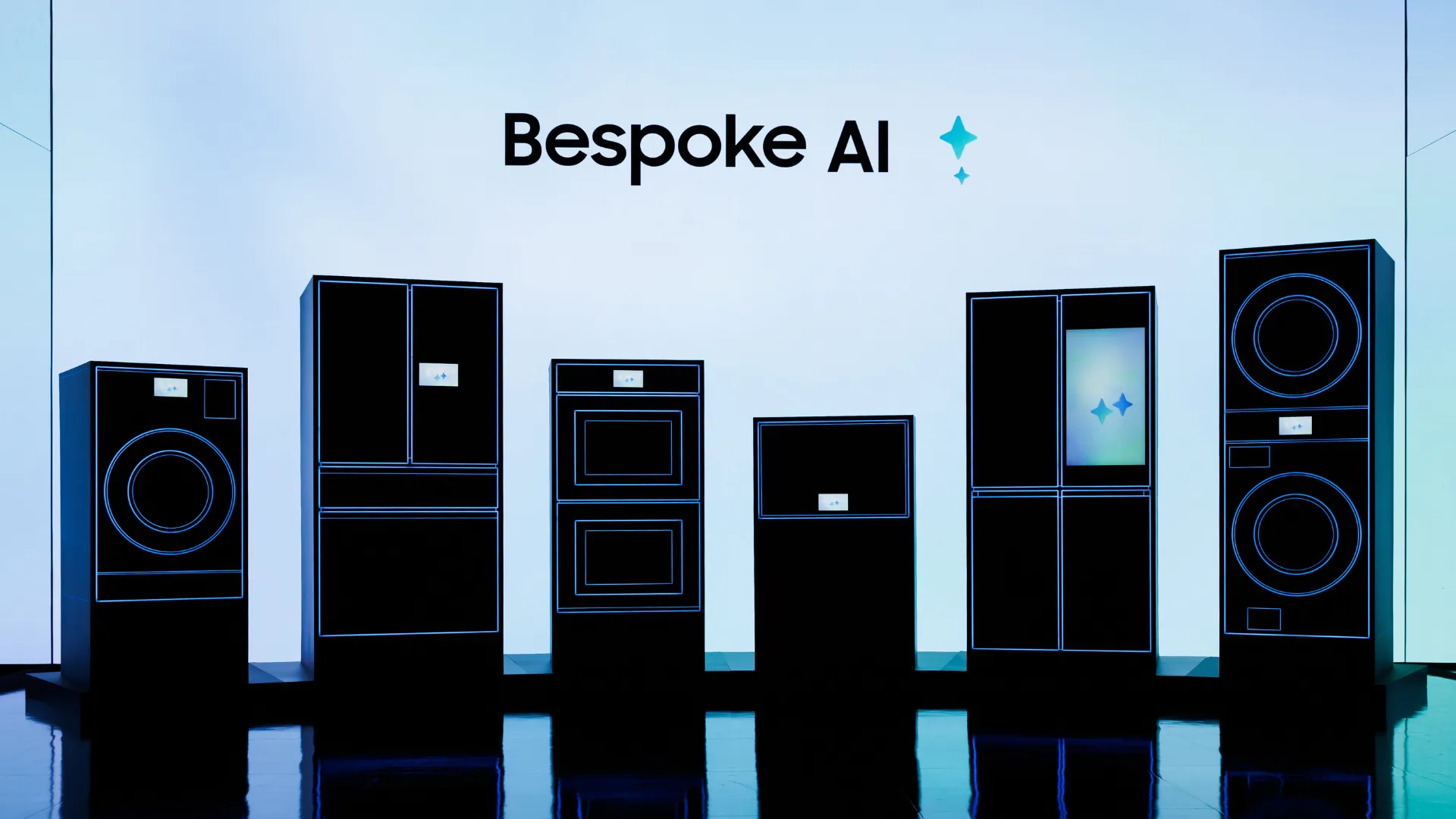
The promise of a smart home is supposed to deliver convenience, but for some customers, it delivered a very frosty, very frustrating reality. A routine software update for a Samsung smart refrigerator in South Korea didn’t just cause a glitch; it led to spoiled food, ruined holiday celebrations, and a serious public relations headache.
The trouble began when a planned update, pushed out during testing, caused some refrigerators to become completely stuck. For customers who discovered the issue hours after the update started, the situation quickly devolved into chaos. One user reported that their fridge’s auto-open feature failed, the interior light wouldn’t turn on, and the temperature began to rise, all while they attempted to reset the power—with no success.
The timing of the malfunction was particularly cruel. This critical failure occurred just days before the major South Korean holiday of Chuseok, a three-day harvest festival. As families stocked up on food for the celebration, the malfunctioning appliances turned from convenience items into liabilities. Consumers faced the agonizing choice of dealing with spoiled premium beef, melting eel, and other holiday provisions.
The impact extended beyond mere inconvenience. Families reported that the failure resulted in significant food waste, with some consumers stating they had to throw away up to 20 kilograms of spoiled food, throwing the entire spirit of the holiday into disarray. The frustration was palpable: how could essential home appliances sabotage cherished family traditions?
Recognizing the gravity of the situation, Samsung swiftly acknowledged the severity of the disruption. The company promised that all affected customers would have their refrigerators fully restored by September 24th and committed to deploying emergency on-site services to address urgent malfunctions.
While the immediate crisis was focused on fixing the broken units, the incident naturally raised deeper questions about the integration of advanced features in home appliances. Samsung had previously signaled plans to incorporate AI chips into its home devices to enhance efficiency and intelligence. This recent incident forces a broader conversation: when we integrate sophisticated software and AI into everyday objects, what are the real risks to user experience, privacy, and basic functionality?
Beyond simple software bugs, the incident highlights a growing unease about the reliability of ‘smart’ technology. As devices become more interconnected, the potential for unexpected failures—whether caused by faulty updates or security vulnerabilities—threatens to undermine the comfort we seek in our modern homes. It serves as a stark reminder that the pursuit of technological advancement must always be balanced with a commitment to flawless execution and consumer safety.
Buy on Amazon
Credit
