Scammer swaps AMD chip for Intel in Amazon return
The world of high-end PC components promises incredible performance, but when you shop online, especially for expensive hardware, you have to navigate a minefield of potential scams. The latest tales circulating among enthusiasts highlight a chilling reality: the convenience of platforms like Amazon can sometimes mask sophisticated counterfeiting and modification schemes, posing serious risks to consumers.
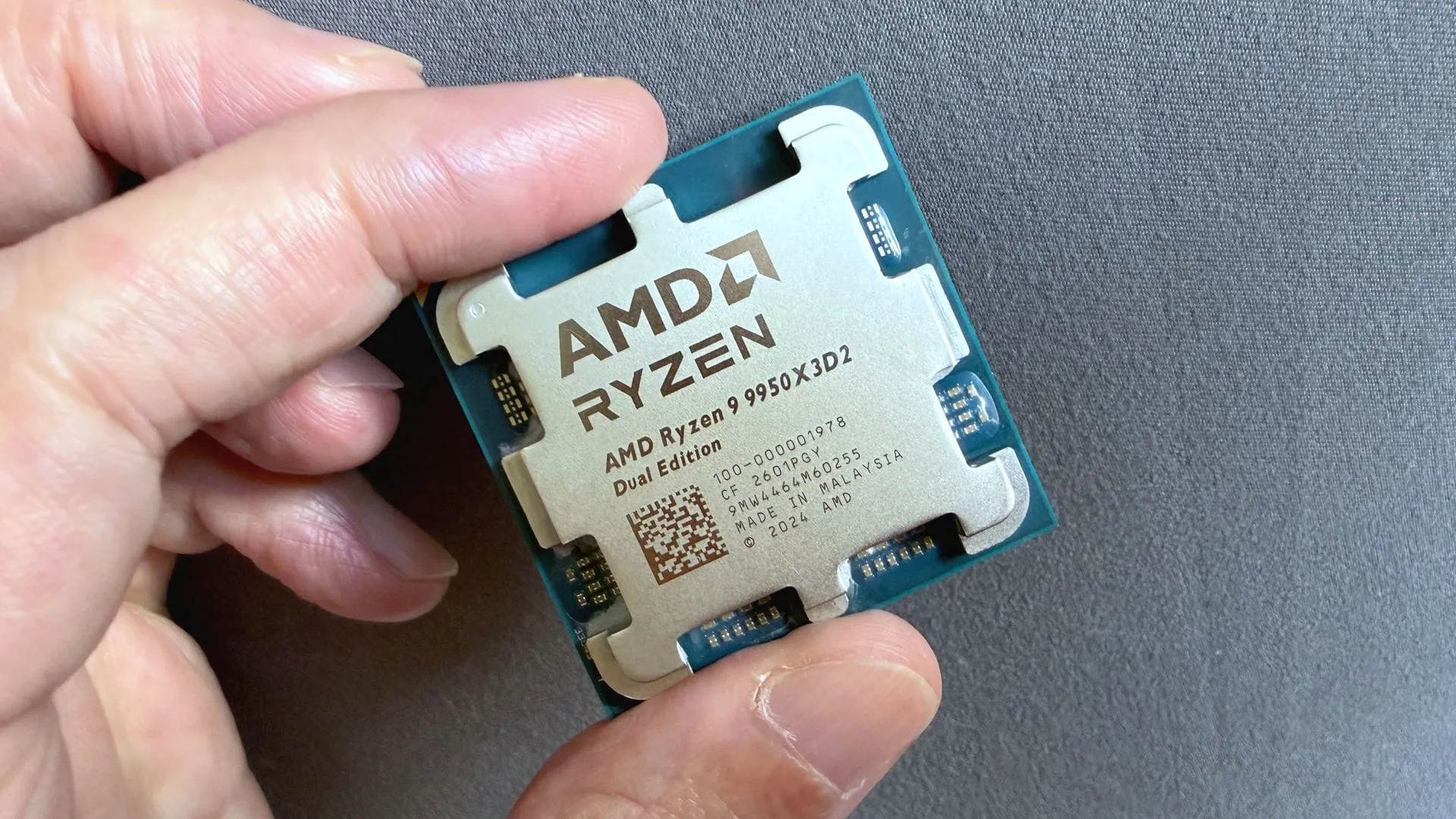
One such worrying incident involved an incredibly expensive processor, the AMD Ryzen 9 9950X3D2. While this chip retails for nearly $900, the risk of receiving a compromised or fraudulent component is exponentially higher. An online user shared photographic evidence that sparked a technical investigation, revealing what appeared to be two identical chips that were, in fact, something far more sinister.
The photos showed the outer appearance of the Ryzen chip, but closer inspection revealed critical discrepancies. Those familiar with processor architecture immediately recognized the tells: the pin layout on the underside was different, and the top surface lacked the expected surface-mount device (SMD) components and capacitors that are standard for AMD chips. This visual mismatch was the first big red flag.
Further analysis confirmed the deception. The underside of the ‘fake’ chip featured components bundled in the center—a signature characteristic of Intel processors, not AMD ones. This confirmed that the component had been deliberately altered. Experts suggest that the chip had been “delidded”—the protective layer removed—and an older Intel CPU had been inserted underneath the AMD Integrated Heat Spreader (IHS).
For those who are not deep into the intricacies of CPU fabrication, spotting this kind of fraud can be extremely difficult. Early on, the difference between Intel and AMD chips was less visually obvious, often blending into the general shapes and names. A casual glance might assume the item is legitimate, overlooking the crucial details of the pin configuration and SMD placement.
While system inspections should ideally catch such blatant alterations, the reality of online retail means vigilance is paramount. We have seen similar return scams involving other components, including memory modules, demonstrating that fraudulent products can slip through quality checks, especially when dealing with complex, high-value goods.
This specific incident with the high-end processor underscores a critical consumer warning: when dealing with components that push into the thousands of dollars, the potential for fraud is no longer abstract. It emphasizes the need for extreme caution and a healthy dose of skepticism when making major online purchases, ensuring that the performance you expect is actually the performance you receive.
Buy on Amazon
Credit
