Seagate vs Toshiba fight for TDK’s HDD head business
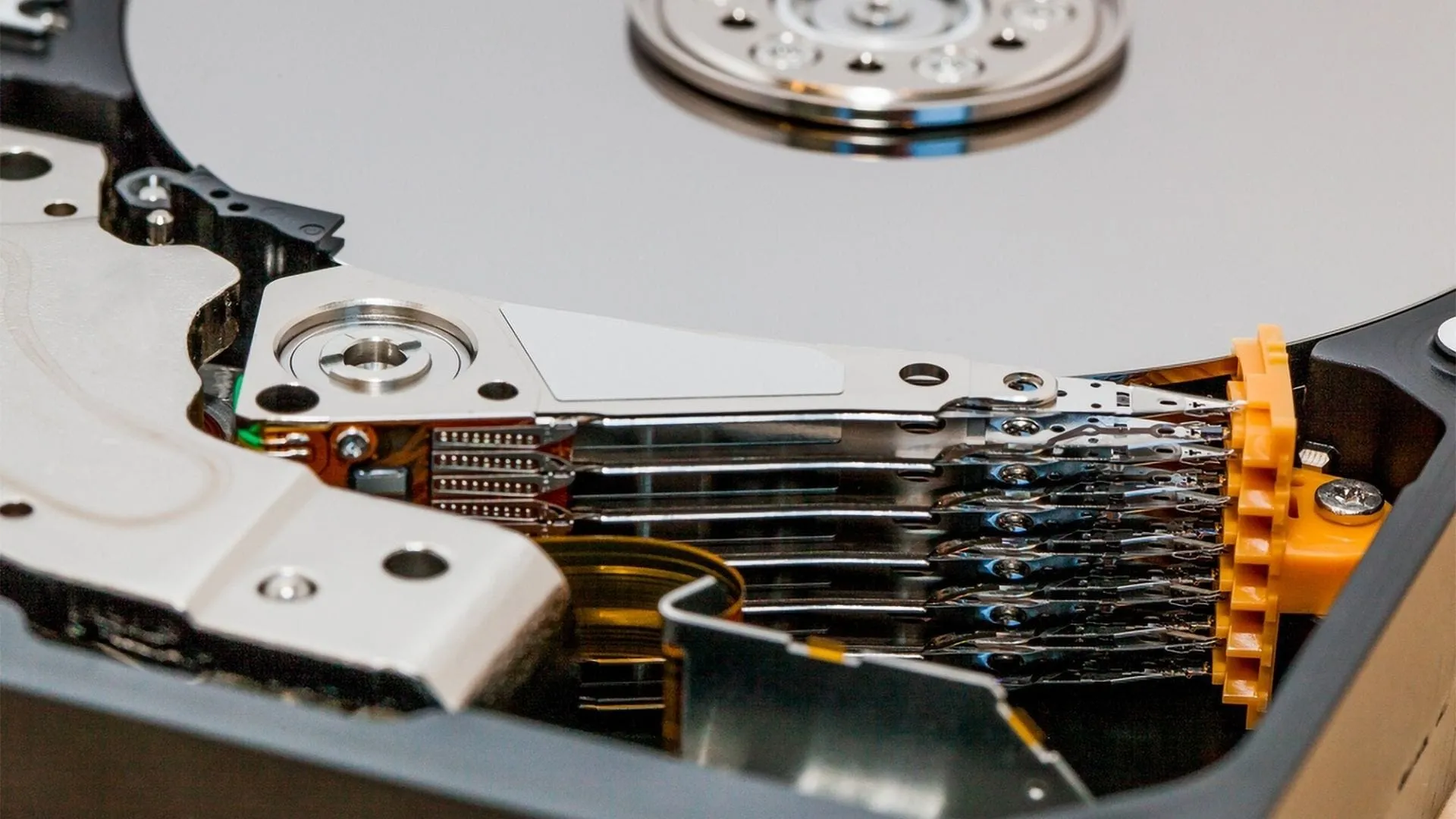
In the high-stakes arena of hard drive manufacturing, a colossal battle for supply chain control is brewing, centering on the specialized domain of magnetic head technology. Seagate Technology and Toshiba are reportedly locked in a race to acquire the core business of TDK, the world’s sole independent supplier of HDD magnetic heads, in a transaction valued in the billions.
This isn’t just a corporate merger; it’s a strategic play that could redefine the competitive landscape of the hard drive industry. The control of TDK‘s operations would grant the successful bidder immense leverage over pricing and the ability to dictate the pace of production, creating a significant shift in who controls the flow of essential components.
The crux of the matter lies in the advanced technology powering modern storage. TDK‘s magnetic heads are crucial enablers for next-generation drives, servicing technologies like heat-assisted magnetic recording (HAMR) and microwave-assisted magnetic recording (MAMR). For Toshiba, access to TDK’s expertise is non-negotiable, particularly as the company navigates the transition to future storage standards.
While major players like Seagate and Western Digital manage the production of magnetic heads internally, they still rely on TDK for supplementary supply to meet surging market demand. This shared dependency has driven the intense interest from both competitors.
Toshiba, however, faces a more direct dependency. The company relies entirely on TDK for these critical components, making the potential acquisition a vital move for securing its future supply chain. The race is fueled by the realization that whoever controls TDK controls the bottleneck.
TDK itself sees this as a strategic opportunity. By divesting this historically volatile, lower-margin segment, the company can unlock substantial capital. This freedom allows TDK to redirect resources toward areas poised for massive future growth, such as batteries, passive components, and sensors in anticipation of the accelerating demand for AI-related devices.
Despite the intense corporate maneuvering, the dialogue remains focused on practicality. Reports suggest that executives from the involved parties have met to explore mechanisms—including the possibility of a joint venture—designed to ensure the continued, stable supply of magnetic heads for the entire industry.
The implications are vast. The outcome of this competition could fundamentally alter the competitive balance of the HDD market, determining whether supply chain stability or immediate technological advancement takes priority.
Buy on Amazon
Credit
