Secret chips in hardware wallets steal crypto phrases
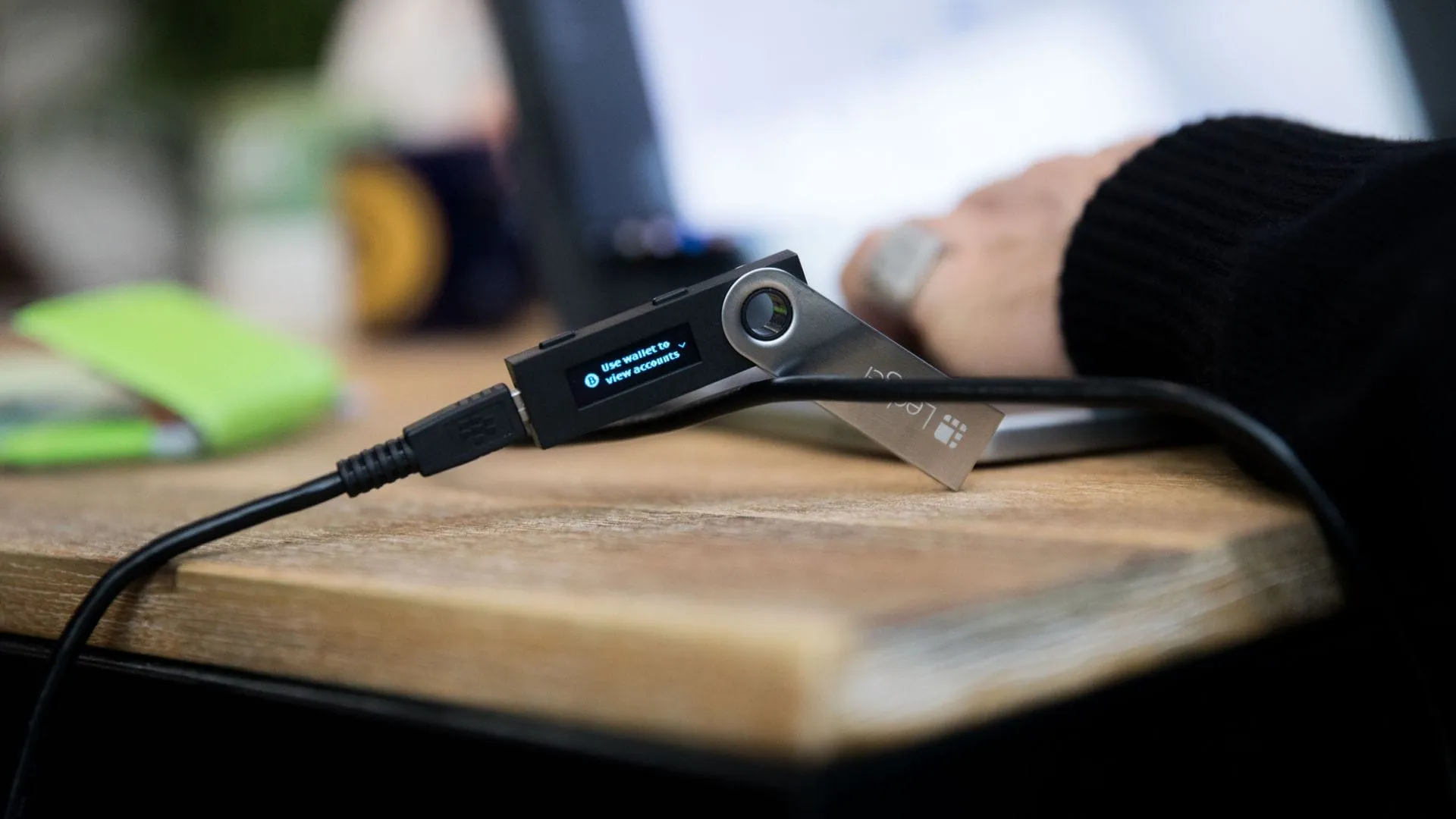
For cryptocurrency enthusiasts, the allure of self-custody often leads them toward the ultimate security solution: a hardware wallet, like those made by Ledger. These devices promise an impenetrable fortress for digital assets, offering an extra layer of protection against the digital underworld. Yet, a startling investigation has revealed that even these supposedly secure devices are facing sophisticated threats, demonstrating that the security chain is far more complex than a simple physical device.
The investigation uncovered that hardware wallets are not immune to tampering. Reports indicate that resellers operating in Southeast Asia and Europe have been distributing wallets that contain illicit modifications, specifically eSIM and LTE modules. These modules are not just for connectivity; they are sophisticated tools designed to exfiltrate critical recovery phrases and private keys.
The financial stakes of this vulnerability are staggering. Estimates suggest that at least $93 million in user balances have reportedly been siphoned off through these compromised wallets.
The breach often originates not from the manufacturer, but from the supply chain. One chain of events traced the compromised wallets back to resellers, such as Cryptobilis, who distributed hardware wallets across various markets. In one specific instance, security researchers discovered that malicious actors were inserting microscopic spy chips onto wallets, repackaging the devices, and shipping them to unsuspecting customers. This means the vulnerability often exists outside of the secure environment of the manufacturer itself.
The method of compromise involved a clever physical infiltration. Researchers found that in some cases, malicious hardware was hidden beneath the display assembly to capture the private keys entered during the initial setup. This stolen data was then channeled through the added eSIM and LTE hardware for covert exfiltration.
The scope of the problem quickly expanded beyond Asia. Reports surfacing from Europe, including findings at major retailers like MediaMarkt, indicated that identical hardware modifications were found in wallets purchased there. This suggests a synchronized campaign, linking the events across different regions and retailers.
It is noteworthy that the most compromised wallets discovered so far were brand-new units rather than returns. This suggests a deliberate strategy by criminals: purchasing new hardware and then returning it with the modifications installed, ensuring the next customer remains unaware.
While Ledger has released instructions for users to verify the physical integrity of their wallets and advises against performing initial setups if wallets were sourced from specific channels, the hunt for the source of the malicious hardware continues. Experts speculate that the use of custom-manufactured bolt-ons points toward a production line somewhere intercepting Ledger wallets and manufacturing compromised devices in bulk.
Ultimately, the lesson is clear: while hardware wallets offer strong security foundations, protecting them requires vigilance against threats that operate in the complex intersection of retail distribution and digital privacy.
Buy on Amazon
Credit
