Sequels kill quality Why not make Dusk 2
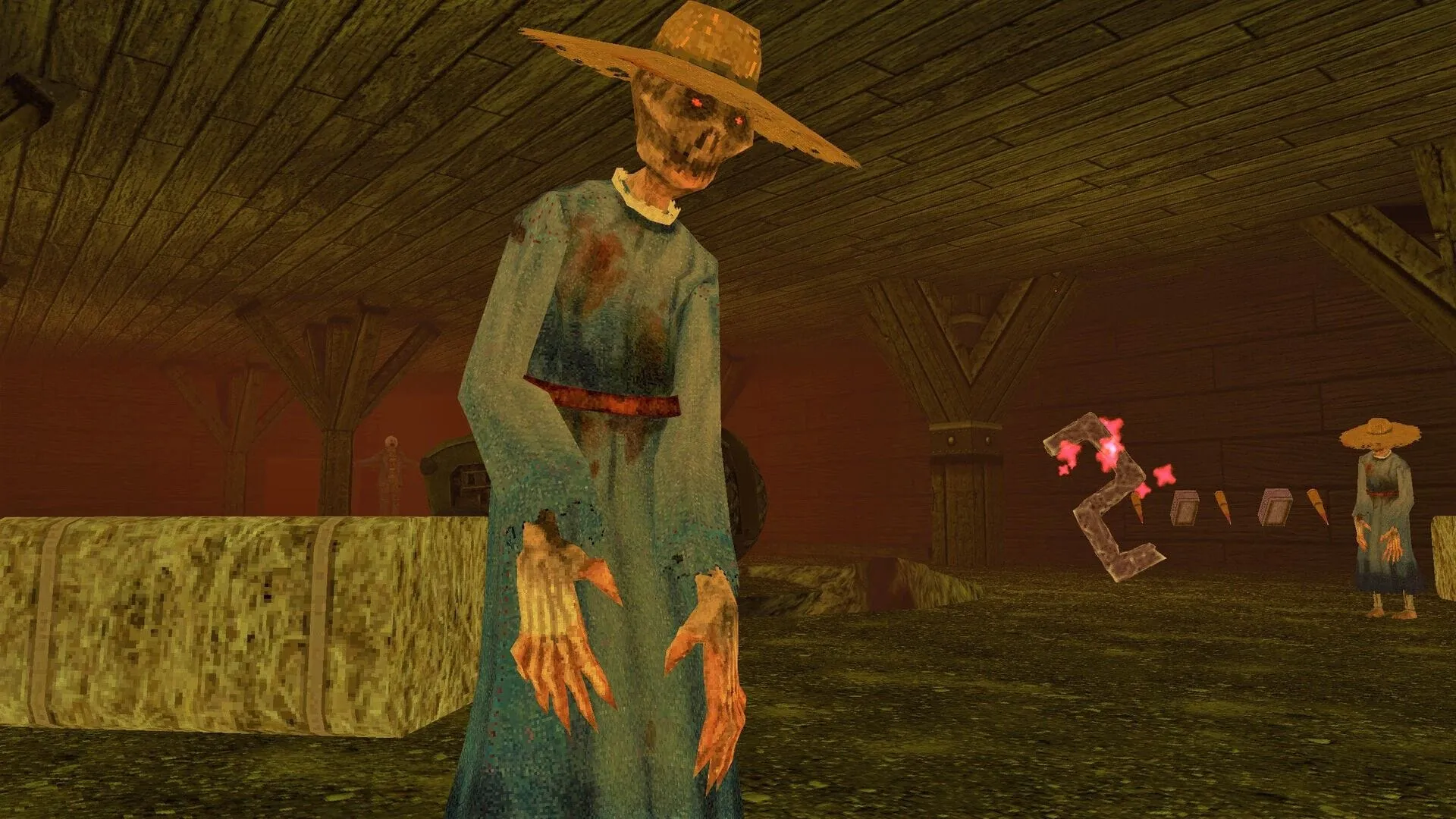
Some game developers are choosing to redefine success, rejecting the well-worn path of blockbuster sequels and endless IP exploitation. Dave Oshry, the boss of New Blood, is among those who believes that genuine growth comes not from milking a hit, but from fiercely protecting creative freedom. Rather than chasing the massive profits of the corporate model, Oshry is channeling that success into genuinely unique, independent artistic projects.
Oshry’s philosophy is a direct challenge to the dominant strategy in the industry. He argues that when a studio achieves success, the natural impulse is often to reinvest that capital into sequels, spinoffs, and spin-offs—a strategy often driven by shareholders and investors demanding maximum return. But for Oshry, that focus is a distraction. Instead of pursuing the predictable path of making more copies of existing franchises, he is deliberately investing in projects that reflect his personal vision, such as Gloomwood and the atmospheric survival horror, Tenebris Somnia.
“I’ve decided to put that money into projects like Gloomwood and Fallen Aces, artsy projects like Tenebris Somnia. That’s what I’ve decided to do with our success because I can, because we’re independent,” Oshry explains. He stresses that the goal is not to build a massive studio with hundreds of employees, which he finds unnecessary, but to make the best games possible.
This independence grants Oshry a crucial advantage. Without the pressure of shareholders or demanding investors, he is free to make decisions based purely on creative intent. He notes that when working within a single studio where he controls everything, the focus shifts entirely to what is cool and what is coming down the pipe, rather than what is guaranteed to generate immediate financial returns.
This stance sets him apart from the traditional blockbuster approach. In the world of major publishers, the strategy often revolves around leveraging established Intellectual Property (IP) to bleed it dry, a tactic seen across the industry from franchises like Heroes of Might and Magic to the fate of games like Wolverine, which Oshry suggests was designed by corporate mandates rather than true creative desire.
Oshry argues that this approach is essential for true innovation. He points out that if the studio had been solely focused on maximizing existing IP, the potential for truly groundbreaking, unexpected creative leaps would have been stifled. He uses the contrast between his studio’s path and the major publisher route to illustrate the difference: “If I just forced David to make Dusk 2, we never would have gotten Iron Lung. That kind of external pressure changes the trajectory entirely.”
Furthermore, Oshry speaks to the broader concerns facing the gaming landscape. He observes that the obsession with endless sequels and IP ownership, exemplified by corporate strategies, is unsustainable. He notes the troubling reality of recent industry shifts, including layoffs, suggesting that developers, regardless of their success, are often disposable assets within the blockbuster system.
Ultimately, Oshry’s success lies in prioritizing player happiness and creative integrity over corporate metrics. He believes that by focusing on making games that genuinely resonate with the community, rather than chasing the metrics set by big publishers, independent developers can find their own measure of success and build something truly lasting.
Buy on Amazon
Credit
