Showcase Windows 11 improvements on the Surface
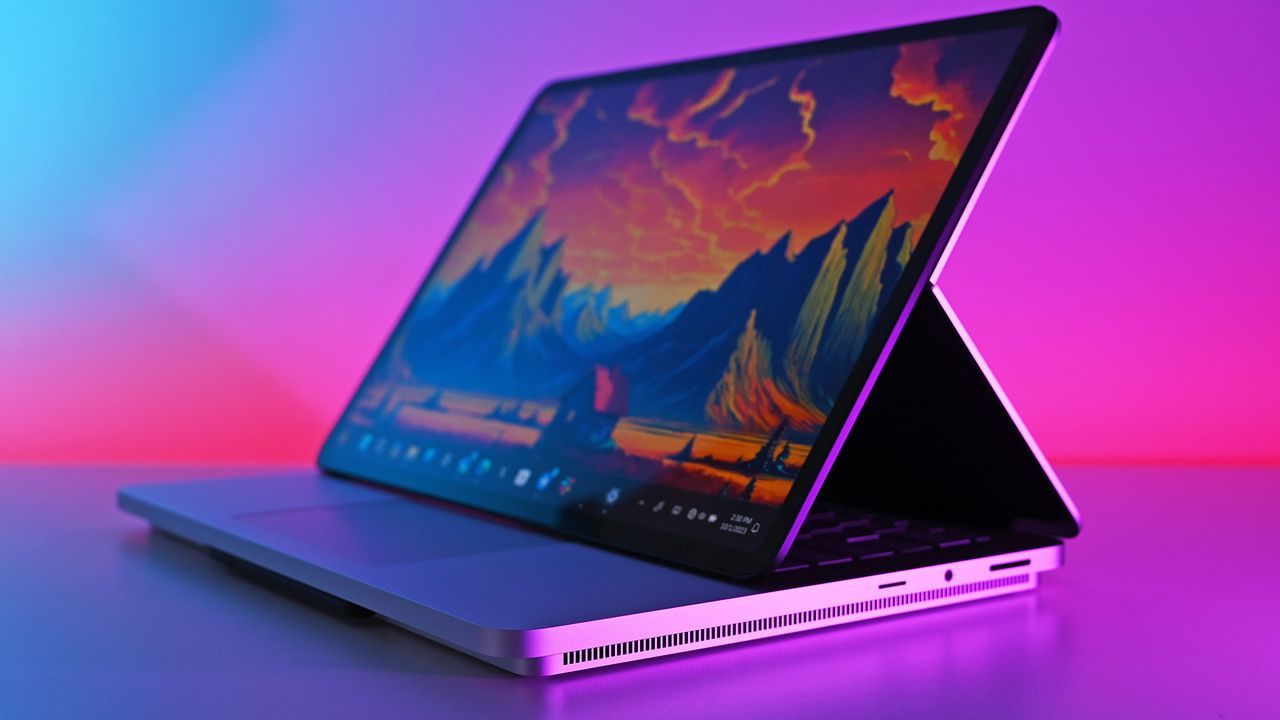
The next major iteration of the operating system is on the horizon, bringing fresh changes and promises of refinement for Windows 11. Microsoft recently released Windows 11 version 26H2 to the Release Preview Channel, signaling that the general rollout of these updates is just a few weeks away.
These updates aren’t just incremental tweaks; they include significant user interface changes, such as the ability to move the Taskbar, alongside deeper under-the-hood performance improvements. While these technical advancements represent a serious step forward for Windows 11, a critical question lingers: where is Microsoft showcasing these enhancements to the public?
Despite the substantive changes, there seems to be a disconnect between the engineering breakthroughs and the marketing presentation. Microsoft is clearly serious about improving the operating system and listening to user feedback, yet the demonstration of these improvements feels scattered. The opportunity to showcase these significant updates on a device like a Surface, which is intrinsically linked to the Windows ecosystem, seems missed.
This separation between the operating system and the hardware presents a missed opportunity. Microsoft has the chance to use its flagship Surface line to act as a compelling showcase for the new Windows 11 features, but currently, the two entities feel somewhat distant. Without a unified marketing strategy focused on hardware integration, the true impact of the new features may not resonate as strongly as intended.
The company’s journey involves shuffling teams and combining hardware and software development over the years. However, in the current landscape, the cohesion is lacking. To truly capture the excitement of a major OS upgrade, a clear, unified push is needed to assure consumers that they are experiencing a fundamentally improved experience, not just a minor refresh of the old system.
Adding another layer of complexity is the ongoing development around Windows and the Snapdragon architecture. Microsoft has actively leveraged this push to highlight the power efficiency and unplugged performance offered by Arm-powered PCs, positioning Snapdragon devices alongside Intel and AMD options. This focus has successfully driven PC manufacturers toward Qualcomm chips, offering tangible benefits like extended battery life.
Yet, when it comes to marketing the more subtle, under-the-hood improvements—like taskbar flexibility or refined start menu experiences—the challenge is greater. These are often invisible to the casual observer, making it harder to generate the kind of buzz needed for a major OS update.
For Microsoft to maximize the impact of these upcoming changes, leveraging the Surface line to demonstrate the evolution of Windows 11 is essential. A successful marketing strategy requires bringing the software and hardware together, ensuring that the public understands that this is a genuine evolution of Windows 11, not just a repackaging. It’s time for Microsoft to bring its hardware and software visions into sharper focus.
Buy on Amazon
Credit