Silent Hill Townfall makes me regret using a shotgun
When you dive into a psychological horror game like Silent Hill: Townfall, the temptation is often to retreat. You master the art of stealth, moving through shadows and silence, attempting to navigate the oppressive environment without resorting to violence. But what happens when the very fabric of that silence is shattered?
For many players, the initial experience is a lesson in restraint—a deliberate, pacifist run where every step is calculated, and the only weapon is cunning. This approach offers a certain kind of liberation, allowing you to focus entirely on the dread that permeates the world.
That careful, cautious strategy hits a sudden, jarring halt when you discover a new tool: the shotgun. Suddenly, the dynamic shifts completely. Instead of being solely prey, you gain the agency to become the force of confrontation. It’s a stark realization that in the realm of psychological horror, sometimes the most potent tool isn’t silence, but the capacity for rage.
The introduction of this new power immediately changes how you interact with the environment. As you venture into the upper floors of the office building, you encounter new horrors—the “widows”—creatures draped in shrouds of flesh that hide and strike with terrifying unpredictability. They embody the trapped suffering of the game, their presence a relentless challenge to your newfound control.
The choice of how to deal with these threats forces a moral reckoning. Do you remain a silent observer, or do you unleash force to clear your path? This choice isn’t just about survival; it’s about confronting the darkness within the narrative itself. The game masterfully forces the player to weigh the emotional cost of every action.
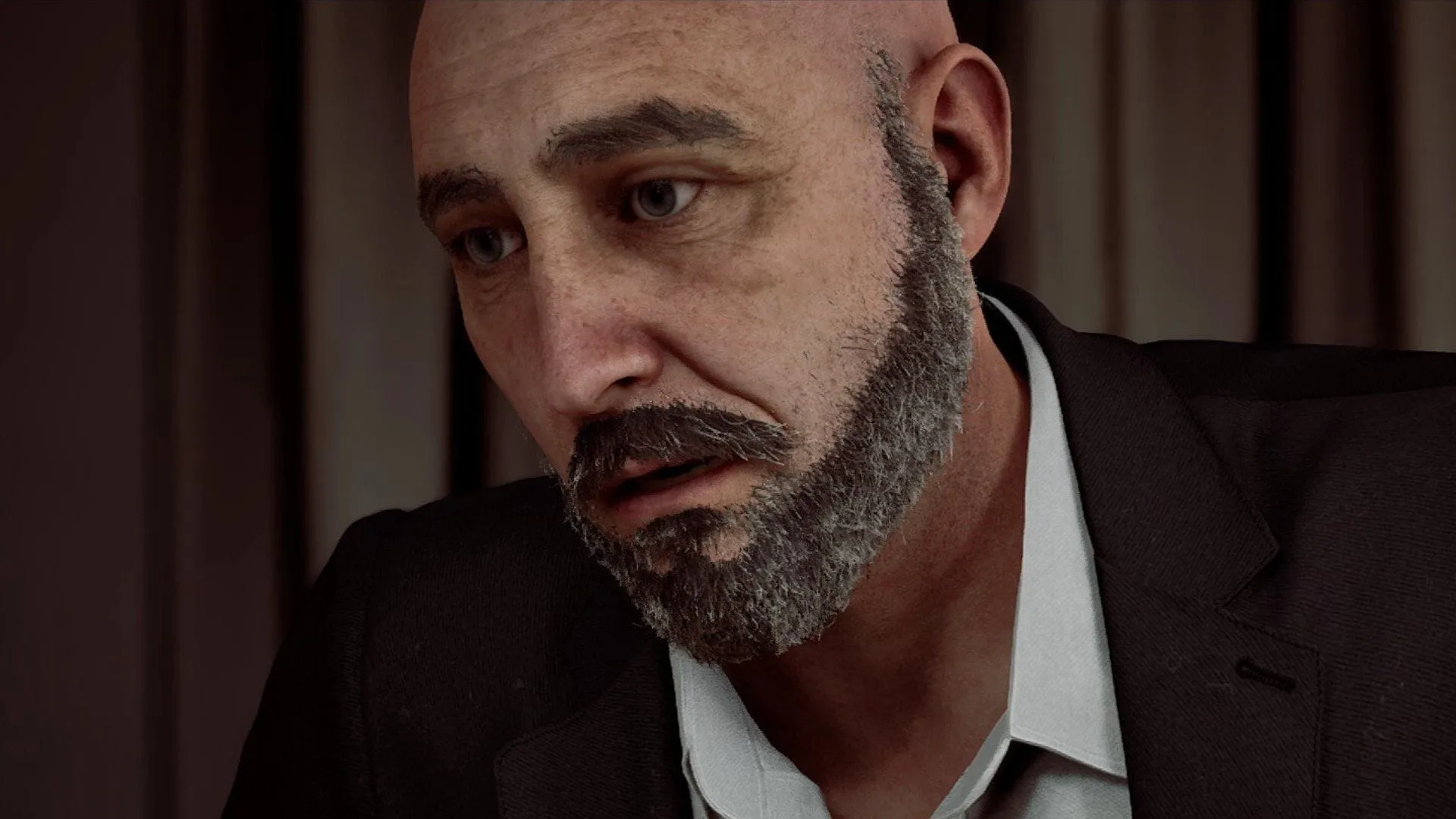
Some of the most compelling horror experiences hinge on these moral ambiguities. In Silent Hill: Townfall, the narrative delves deep into the complex, twisted psychology of its characters, particularly Richard. His existence is a tangle of inner strife, regret, and simmering rage, forcing players to grapple with the idea of evil that might be born from profound sorrow.
The unsettling realization that these spectral figures carry the painful memories of those they have lost adds another layer of complexity. Seeing the dead loved ones attached to these creatures shifts the focus from simple combat to a deeper inquiry into guilt and grief. It prompts a powerful question: is the act of violence truly cathartic, or does it merely perpetuate the cycle of pain?
Ultimately, the experience rewards players who are willing to shed their initial caution and embrace the chaos. The moment you pick up the shotgun, you stop being just a victim and become an active participant in the unfolding nightmare. It’s a reminder that true horror often resides not in what hunts you, but in the choices you make when you decide how to face the inevitable darkness.
Buy on Amazon
Credit
