Silent Hill’s scary secret is British interior design
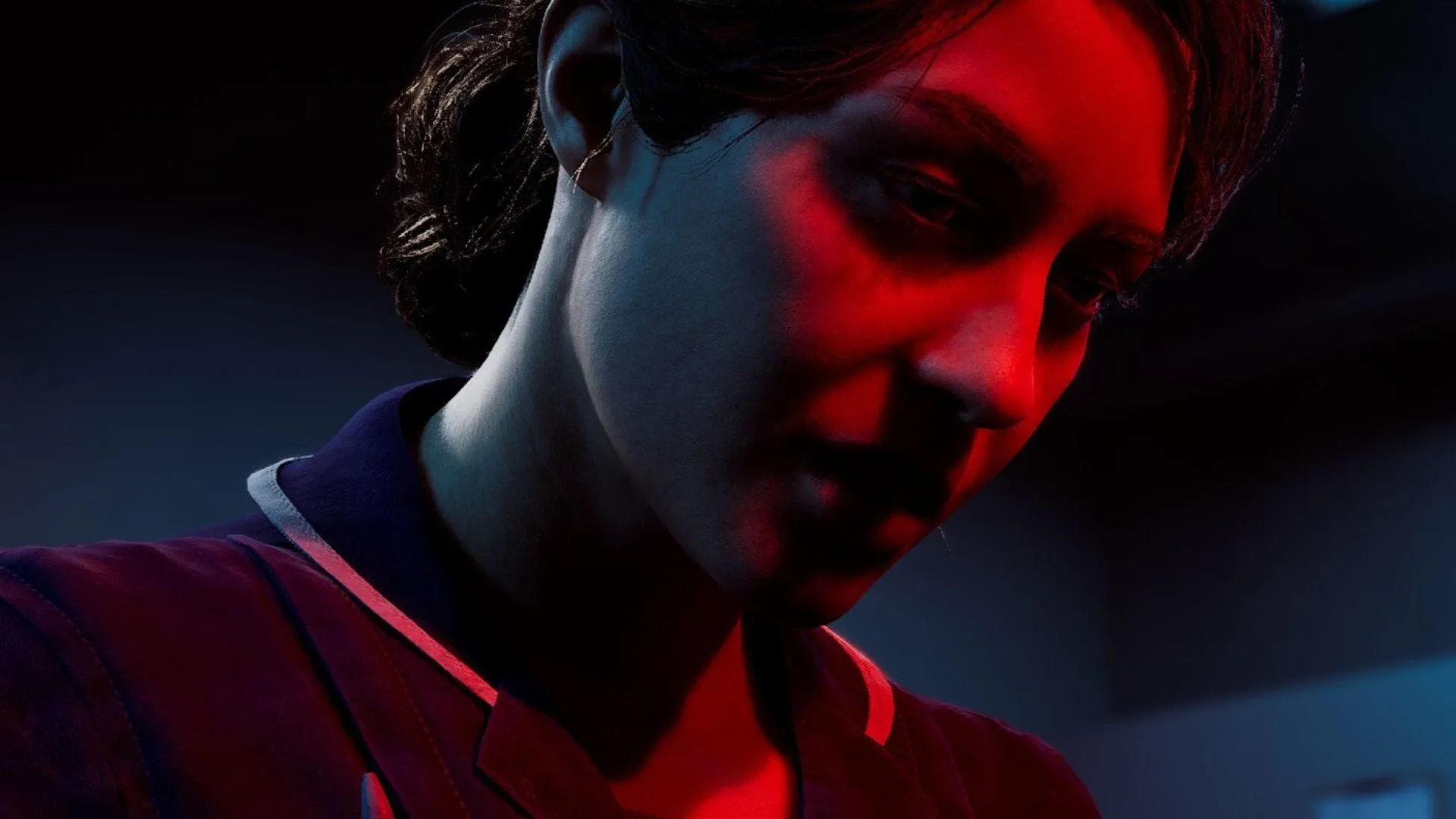
When you dive into a horror game, you expect dread, but sometimes, the most potent fear comes from something far more subtle: uncanny familiarity. This is the strange magic at play in Silent Hill: Townfall, especially when set on the atmospheric Scottish island of St Amelia. It’s not just the monsters that grip you; it’s the incredibly authentic, almost nostalgic depiction of small-town life from 1996.
St Amelia, with its run-down fishing town, doesn’t offer the glamour of Tokyo or the dreaminess of Stephen King’s settings. Instead, it delivers something rawer, a sense of neglected, mundane reality. From the video rental shop to the bunting hanging sadly across the buildings, the environment feels less cinematic and more like a place you recognize from your own history.
The brilliance of the development team at Screen Burn was taking the Silent Hill framework and using it as a Trojan horse to smuggle in genuine British details—a newsagent, a fish and chip shop. This approach is a masterful way to craft atmosphere, acknowledging that the true horror lies not in fantastical monsters, but in the very reality of a place we know.
But the real psychological impact comes from the interiors. While the exterior details of telephone boxes and road signs are eerily accurate, it is the interiors that settle deep into the mind. The kitchens, the wallpaper, the old appliances—these spaces feel forensically accurate to a specific kind of domestic history. They evoke houses that were last renovated in the 1970s or 80s, untouched by time, suggesting a deep, forgotten history.
Stepping into these homes triggers a unique gut response: the feeling of having been there before, and hating what you now realize is lost. It’s a masterful blend of nostalgia and terror. The familiarity is the weapon, making the environment intensely unsettling.
The artists behind the game didn’t just capture 1996; they pinpointed the environmental details that were old even then. By referencing things like ancient Argos catalogues, they tapped into a shared cultural memory, showing us that we all grew up with these specific, tangible details.
This specificity is quietly the best element of the experience. It transforms a psychological horror story into a deep meditation on memory and time. It forces us to confront the unsettling realization that whatever ordinary place seems comfortable now is inherently unstable, ready to morph into something grim when cloaked in fog and shadow.
It’s this tension—the collision of cozy, forgotten domesticity with existential dread—that makes the experience so uniquely haunting. It suggests that the things we consider normal today are simply temporary stages, destined to become otherworldly and strange for generations to come.
Buy on Amazon
Credit
