SK hynix denies hardball demand from Trump
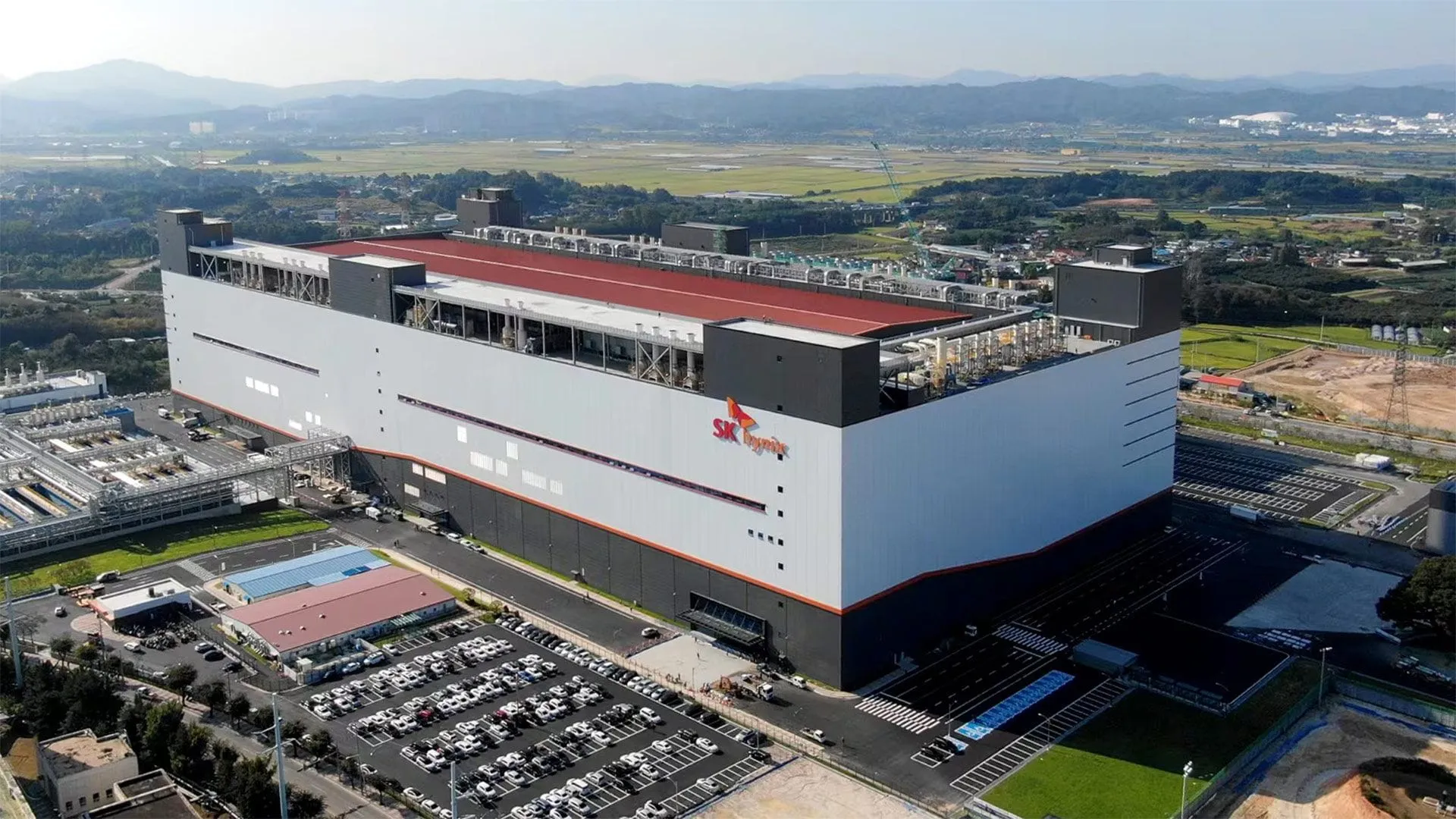
The global semiconductor landscape is currently a high-stakes game of geopolitical maneuvering, where manufacturing capacity is rapidly becoming the ultimate currency. At the heart of this tension is the race to build and control the future of memory technology, with multinational giants like SK hynix navigating complex trade policies to secure their supply chains and expand their footprint.
A recent development surrounding Solidigm’s potential move into American manufacturing has thrown a spotlight on the intricate relationship between global chip production and U.S. policy. Reports suggested that Solidigm was considering establishing a 3D NAND fabrication facility in the United States—a move that would be significant, given that no American company has historically manufactured NAND flash memory.
This potential venture appears to be inextricably linked to a calculated strategic maneuver by Solidigm’s parent company, SK hynix. Sources indicate that the company is engaging in a negotiation with the U.S. government, seeking authorization for additional semiconductor manufacturing equipment shipments to its Dalian facility in China. The proposal is a strategic trade: access to necessary tools in China in exchange for a commitment to build a new NAND fab in America.
The Dalian facility already serves as a crucial hub, producing the 192-layer floating gate 3D NAND essential for Solidigm’s data center-grade SSDs used across AI, enterprise, and hyperscale data centers. This manufacturing operation relies heavily on equipment supplied by major American companies, including Applied Materials, KLA, and Lam Research, making U.S. export licenses a critical factor in the process.
While the U.S. government has historically permitted some equipment shipments to facilities operated by multinational entities like Samsung or SK hynix, there is a clear emphasis on preventing the expansion of manufacturing capacity or the introduction of new technologies within China. This underscores the delicate balance the government seeks to maintain regarding critical semiconductor technology.
SK hynix is looking to maximize efficiency at its existing operations in China. They aim to install additional manufacturing equipment in the unused capacity of the Dalian Mod B facility, which was completed in 2023. This expansion is not about increasing overall production, but about optimizing existing assets. Because the facility was completed relatively recently, installing new tools does not constitute a major expansion of capacity, yet it represents a significant opportunity to boost profitability.
For Solidigm, maximizing factory utilization is key. Unused capacity represents lost revenue, and leveraging existing infrastructure in China could generate the necessary profits to finance the proposed American fab, thereby supporting its operations until domestic manufacturing capacity catches up.
This ambition is paired with Solidigm’s ongoing commitment to technological advancement, with executives already focusing on developing the 5th and 6th Generation floating-gate NAND beyond the current 192-layer technology. Ultimately, the story of Solidigm’s plans highlights a powerful trend: the intersection of technological innovation, corporate strategy, and national economic goals shaping the future of the semiconductor industry.
Buy on Amazon
Credit
