Snapdragon X2 outperforms Intel in CPU AI battery and price
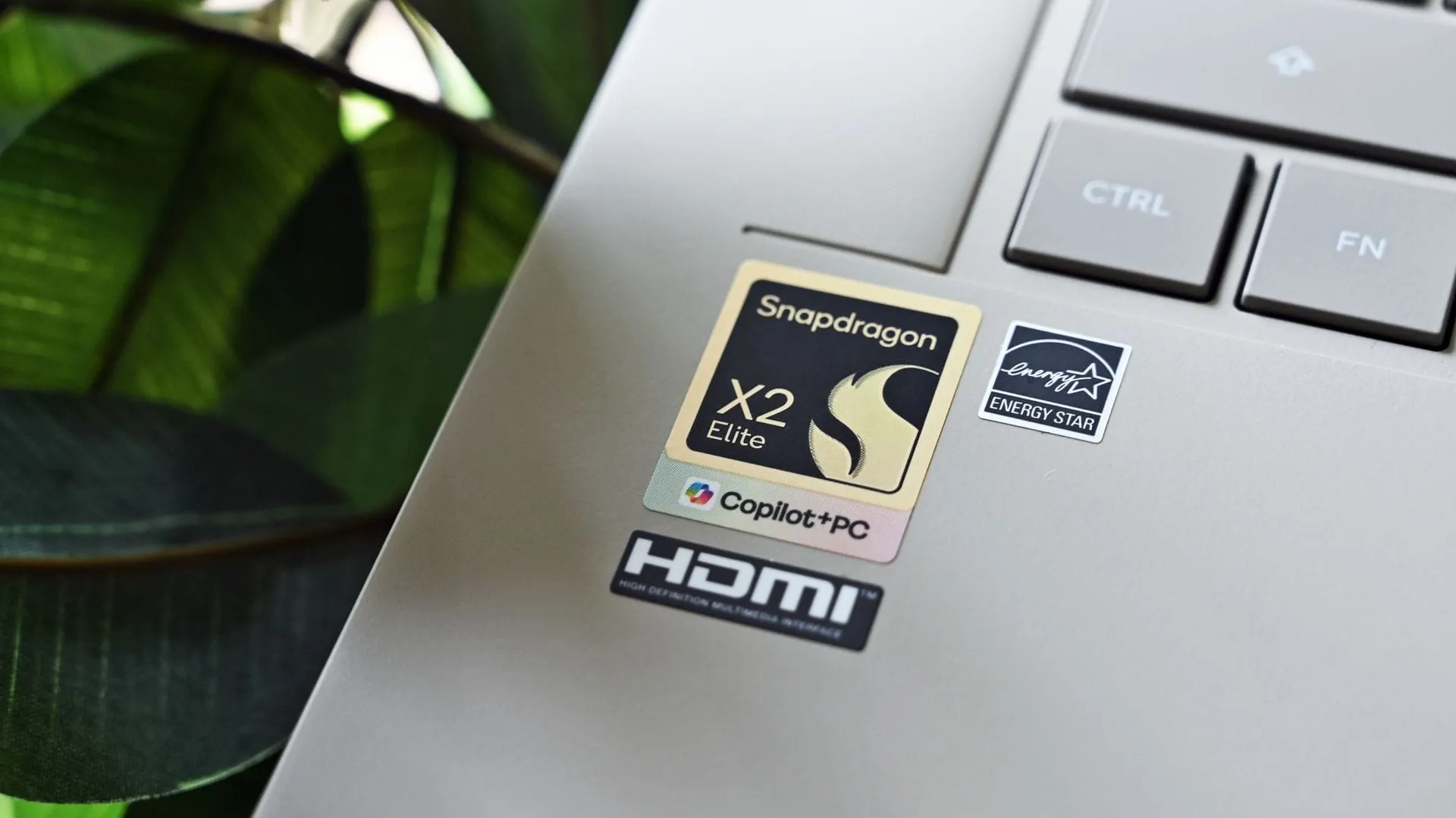
The silicon world is currently experiencing a fascinating shift, moving the spotlight away from the behemoth flagship chips and onto the systems that define our daily digital lives. In a recent deep dive, independent testing firm Signal65 put Qualcomm’s Snapdragon X2 Elite chip head-to-head with Intel’s Core Ultra and AMD’s Ryzen AI processors, revealing a picture that changes how we think about performance, efficiency, and value in the premium laptop market.
While earlier reports focused on the extreme power of the Snapdragon X2 Elite Extreme chip, this follow-up study zeroed in on the version most consumers are likely to buy: the standard 18-core Snapdragon X2 Elite X2E-88-100. The focus shifted from massive 16-inch flagships to the increasingly relevant 14-inch premium category, where thermal management, battery endurance, and overall efficiency often matter more than sheer peak speed.
The test pitted the Snapdragon system in Lenovo’s Slim 7x against Intel’s Core Ultra X7 358H in a Dell XPS 14, and AMD’s Ryzen AI 7 445 in a Lenovo Yoga 7a 14. The goal wasn’t just to measure raw scores; it was to see how these systems truly performed when balancing power with practicality.
One of the most striking findings was that the Snapdragon system didn’t need to push its power profile to achieve top-tier performance, a significant departure from its x86 rivals. This suggests fundamental architectural advantages, indicating that the gains are not merely from having more cores, but from smarter design.
In CPU benchmarks like Geekbench 7, the Snapdragon-powered Lenovo Slim 7x demonstrated a meaningful lead over the Intel XPS 14, showing a 31% advantage in single-core performance. This performance gap was not just about core count; it pointed toward architectural improvements in the second-generation Oryon design, proving that efficiency and design can translate directly into speed.
Beyond raw processing power, the advantage extended into the realm of productivity and artificial intelligence. In tests covering Microsoft Office applications and AI workloads, the Snapdragon system maintained strong leads. In the UL Procyon AI Computer Vision benchmark, the Snapdragon system outperformed Intel by nearly 31%, demonstrating superior performance in these crucial, modern tasks.
Perhaps the most compelling area of the study was battery performance. Across six different benchmarks focused on video playback, web browsing, and office tasks, the Snapdragon system consistently retained nearly 97% of its performance when unplugged. This efficiency gap became a headline, especially when considering the real-world endurance:
The Snapdragon-powered Slim 7x managed 16.1 hours of local video playback, while the Intel XPS 14 achieved 14.4 hours. This demonstrated that system efficiency translates directly into better, more sustainable battery life.
While the overall system performance and efficiency were favorable for Qualcomm, the comparison isn’t just about silicon. The contrast between the tested systems—a $1,999 Lenovo Slim 7x versus a $2,749 Dell XPS 14—highlights a crucial point: buyers are purchasing complete packages, not just processors. Dell’s XPS 14 boasts superior materials, display technology, and build quality, which many consider essential for a premium experience.
Despite the efficiency and performance wins, Intel still holds a clear advantage in specialized areas, particularly graphics. In 3DMark Steel Nomad Light testing, Intel’s Arc B390 GPU outperformed Qualcomm’s Adreno X2-90 GPU by roughly 23% in DirectX 12 and Vulkan performance. For users prioritizing high-end gaming or intense creative rendering, the GPU still provides a compelling argument for the x86 architecture.
Ultimately, the research suggests that the true measure of competitive advantage lies in value. When normalized across CPU, rendering, and AI benchmarks, Signal65 concluded that the Snapdragon-powered laptop delivered roughly 2.15 times the value of its Intel competitor. This shift suggests that Qualcomm has successfully scaled its advantages beyond a single flagship chip, positioning the Snapdragon architecture to build a sustainable competitive position in the mainstream Windows laptop market.
Buy on Amazon
Credit
