SoftBank eyes $100B AI investment from Middle East
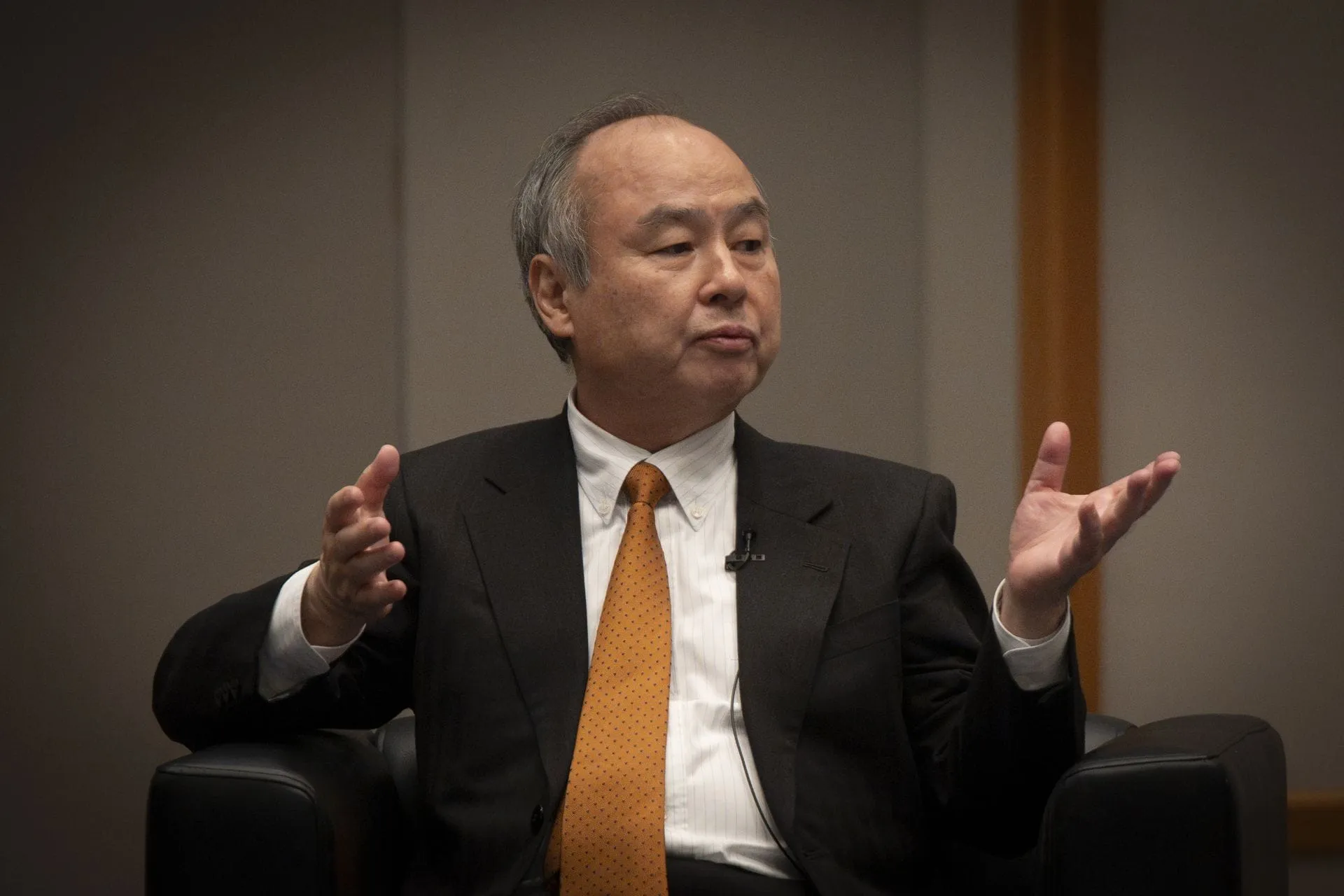
SoftBank Bets Big: How a Tech Titan is Pivoting to Acquire and Automate the Future
In a move that signals a dramatic shift in investment strategy, SoftBank founder Masayoshi Son is chasing a colossal $100 billion in capital from Gulf investors. The goal is not simply to buy technology companies, but to establish a fund focused on acquiring established businesses and immediately injecting artificial intelligence and robotics to dramatically improve their operations and unlock massive value. This ambitious pivot comes as SoftBank grapples with the valuation of its flagship investments and the uncertainties surrounding its ambitious plans for an initial public offering.
This new approach represents a fundamental change from SoftBank’s historical focus, which primarily financed the growth of pure technology firms. Instead, the proposed fund aims to target mature companies, overlaying them with advanced AI and automation to drive tangible operational gains—a relatively novel and highly potent model for generating returns in the current technological landscape. Son is reportedly engaging influential figures across the Middle East, including senior leaders in the United Arab Emirates, seeking partners to acquire businesses that are poised for transformation but have yet to fully embrace AI integration.
Central to this transformation is SoftBank’s internal robotics and physical AI division, Roze. This unit is positioned to play a major role in these operational overhauls, promising to inject physical and intelligent capabilities directly into acquired entities. While the exact scope of the fund remains under development—whether it will focus solely on acquisitions or include the development of Roze technology—the intent is clear: leverage automation to create next-generation corporate value.
SoftBank’s investment portfolio remains heavily anchored by its commitment to OpenAI, which accounts for approximately $65 billion in investment. Despite this crown jewel, the company faces ongoing scrutiny regarding the valuation trajectory of OpenAI and the complexities of its planned initial public offering. SoftBank’s financial stability is inextricably linked to the performance of these massive holdings, creating a high-stakes balancing act.
The history of SoftBank’s capital deployment is equally complex. In 2017, the Vision Fund successfully attracted significant backing from sovereign wealth funds, including Saudi Arabia’s Public Investment Fund and Abu Dhabi’s Mubadala, contributing to the original $100 billion Vision Fund. This fund has generated substantial gains, with Vision Fund 1 accumulating approximately $29 billion in investment gains, and Vision Fund 2, which holds the OpenAI stake, generating $20.5 billion as of June.
Financially, the company continues to operate with significant assets. Last month, SoftBank successfully raised over $11 billion through the largest junk bond issuance on record, although these high-risk borrowings resulted in yields reaching 9.75%. Despite this debt, the company’s net asset value remains robust, and its loan-to-value ratio is comfortably below the operating limit. However, the market remains keenly aware that a downturn in the valuations of key technology assets, such as Arm and OpenAI, could introduce significant pressure on SoftBank’s overall financial standing.
With a history marked by both spectacular successes, such as Alibaba’s rise, and challenging setbacks, including the bankruptcy of WeWork, Masayoshi Son is navigating a challenging but defining era. The new strategy—marrying vast capital with physical AI and operational excellence—is a high-stakes gamble, positioning SoftBank to either redefine the rules of corporate investment or face unprecedented volatility in the rapidly evolving AI economy.
Buy on Amazon
Credit
