Software fixes hyperscalers’ AI power squeeze
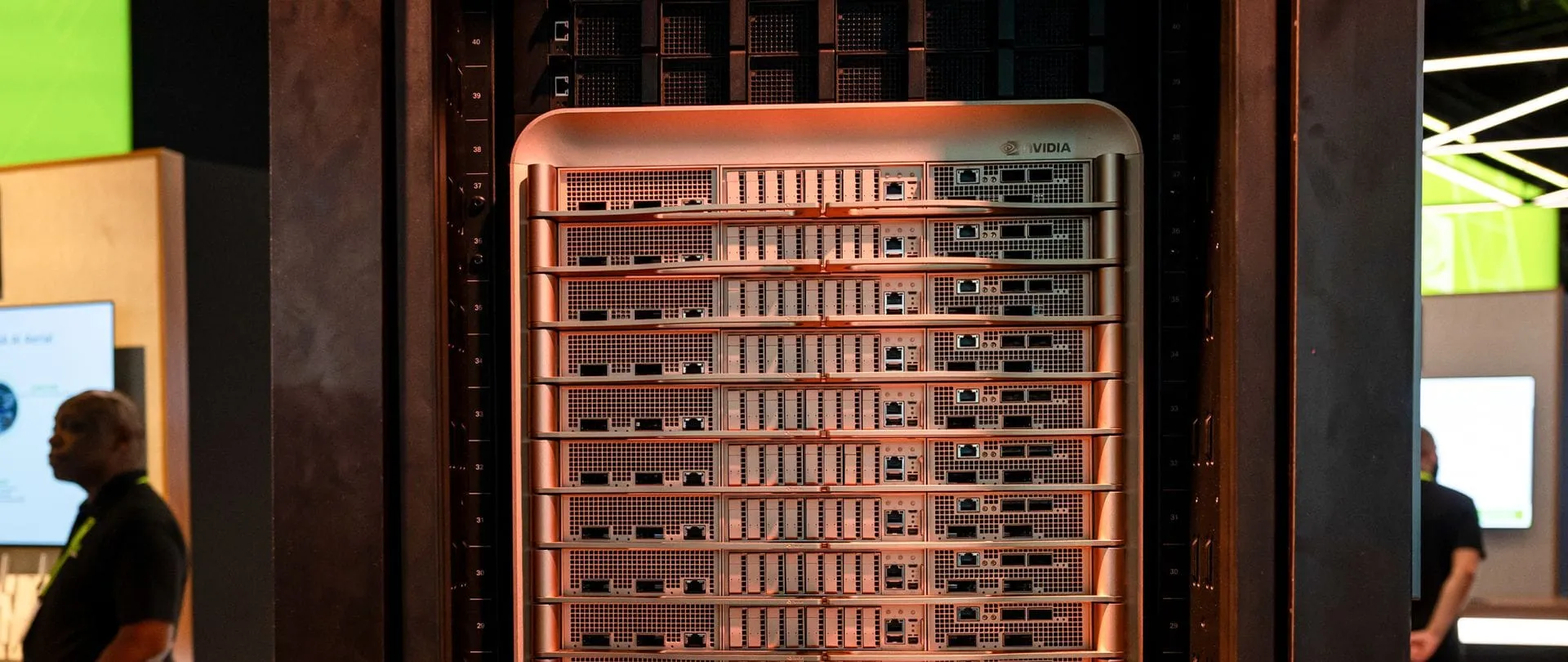
The relentless growth of artificial intelligence is transforming the world, but it comes with a staggering energy price tag. As the demand for AI-powered computation skyrockets, the energy required by data centers is becoming an inescapable global challenge. Experts estimate that by 2030, AI will consume approximately 945 TWh of electricity, an amount equivalent to what Japan uses today. This massive energy crunch forces the industry to confront a fundamental question: is the solution found in building faster chips, or in smarter software?
For years, the primary response has been to focus on the physical layer—developing more efficient GPUs and securing more power from an already tight energy grid. However, this focus on hardware alone may be missing the bigger opportunity. While power usage effectiveness (PUE) metrics track efficiency in cooling and power systems, they often fail to account for the actual usefulness of the computation happening on the servers. Given that servers account for roughly 60% of a data center’s electricity demand, optimizing the software running on that hardware offers a critical, untapped avenue for savings.
The answer to whether software and algorithms can meaningfully impact power consumption is a resounding yes. Researchers have demonstrated that optimizing the software stack—the algorithms and applications—can yield dramatic energy reductions. Computing systems should be viewed not just as hardware, but as a stack, where advancements in the software layer can compound efficiency gains, even if hardware upgrades are slower.
Deep dives into the computational process reveal powerful opportunities. For instance, research into large-model training has shown that running inference in slightly lower-precision formats, such as FP8 instead of bfloat16, can consume significantly less energy. Furthermore, advanced optimizers can intelligently slow down parts of a training job to allow other sections to catch up, reducing total energy consumption by up to 30% without sacrificing performance. This level of optimization is not just theoretical; major chip developers are actively implementing it. Nvidia, for example, fine-tunes power profiles across their Blackwell GPUs, adjusting everything from memory frequencies to cache settings to achieve up to 15% energy savings while retaining high performance.
Beyond the internal chip optimization, real-world data center operations offer immediate savings. It often turns out that the most visible waste is legacy equipment running outdated code—the loudest rack in the room. Opportunities abound in simply making instances smarter: caching frequently used AI prompts instead of recomputing them, using smaller models for routine requests, and implementing better batching and compilers to maximize accelerator utilization. These operational tweaks help squeeze out every last watt.
The conversation also shifts from purely internal efficiency to external strategy. Some experts argue that the physical location of data and processing matters greatly. By analyzing when and where energy is drawn, systems can be scheduled to utilize regions with lower-carbon electricity or greater spare capacity. This workload shifting, guided by real-time grid signals, allows facilities to balance performance guarantees with environmental goals.
Ultimately, while the scale of AI demand means that software cannot magically solve the problem or replace the need for new infrastructure, it serves as a powerful control layer. It allows the industry to maximize the output from increasingly expensive semiconductor assets while steering energy demand toward smarter, more sustainable distribution. The core takeaway remains: to truly unlock the potential of AI without hitting an energy wall, we must stop viewing power as a fixed constraint and start treating it as a variable to be meticulously managed.
Buy on Amazon
Credit
