Sony ends last standalone 4K Blu-ray player in Japan
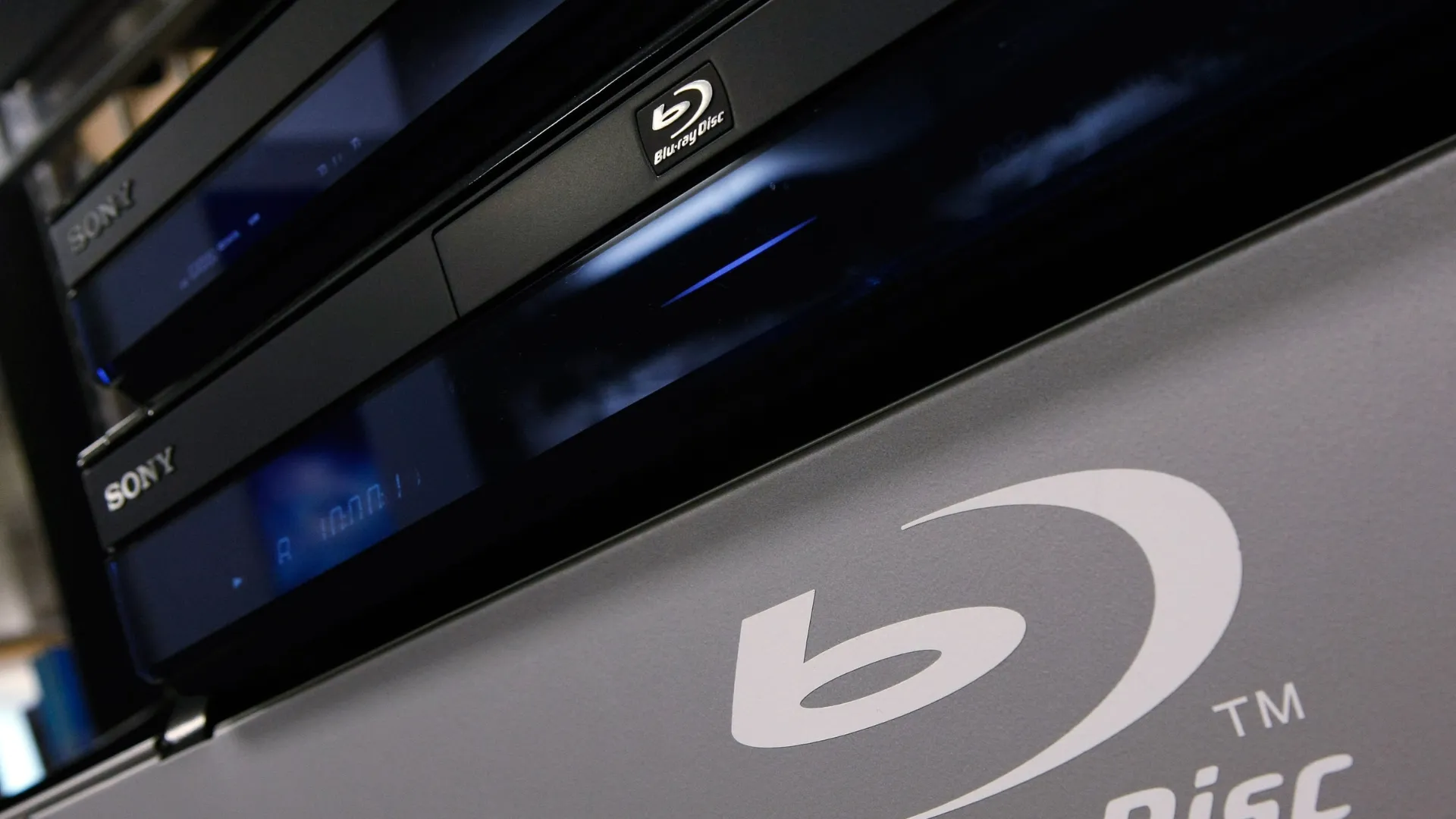
The era of physical media is drawing to a close, ushering in a fascinating, if slightly unsettling, transition where convenience reigns supreme. As major players in the electronics industry quietly pivot away from discs, the familiar act of owning tangible entertainment is rapidly becoming a nostalgic footnote. This shift is most evident in the world of high-definition video, where the once-dominant Blu-ray format is slowly fading into memory.
Sony, a giant in consumer electronics, has been at the forefront of this retreat. Having finally marked its last dedicated Blu-ray player, the UBP-X700/K, as “Discontinued,” the company signaled the end of an era. This move followed earlier decisions to cease shipping these players, relying instead on existing inventory. While the PlayStation 5 remains the last device to offer this specific playback capability, Sony is actively steering the market away from physical discs entirely.
The trend is not isolated to Sony. The industry exodus is spreading across the board. Other key Japanese electronics firms, including Elecom and Buffalo, have also terminated production of Blu-ray drives for PCs. Similarly, competitors like LG have ended Blu-ray player production. This coordinated movement suggests a significant, industry-wide pivot away from physical storage and playback in favor of the endless convenience of streaming.
Perhaps the most profound implication of this trend is the future of gaming. Sony has announced plans to end physical game disc production entirely by 2028. This move naturally raises questions about future consoles, prompting concerns that upcoming systems, like the PlayStation 6, may forego optical drives altogether. It highlights a major shift: the focus is moving away from ownership of physical goods and toward access to digital content.
This transition sparks a broader cultural debate about ownership and archiving. While the convenience of streaming is undeniable, there is a tangible backlash against the notion that we no longer possess physical media. This tension is already visible in market trends, with sales of “retro media,” including CDs and vinyl, experiencing a strong resurgence. These physical formats offer a unique tactile experience that streaming cannot fully replicate.
The ripple effect extends into highly specialized markets, such as the audiophile scene. Manufacturers in the Hi-Fi space are grappling with similar issues, as the makers of optical drives have ceased producing the specialized components needed to read certain formats, leaving some players facing extensive reworks. This mirrors the larger struggle: as technology evolves, even niche communities must adapt to a new reality of digital access.
Ultimately, the evolution of video storage reflects a larger shift: a move from proprietary physical media to ubiquitous digital streams. While technology offers incredible advancements, the story of Blu-ray’s decline is a poignant reminder that the future of entertainment may prioritize access and convenience over the tangible objects we once cherished.
Buy on Amazon
Credit
