Sony patent turns PS controllers into tap-to-pay terminals
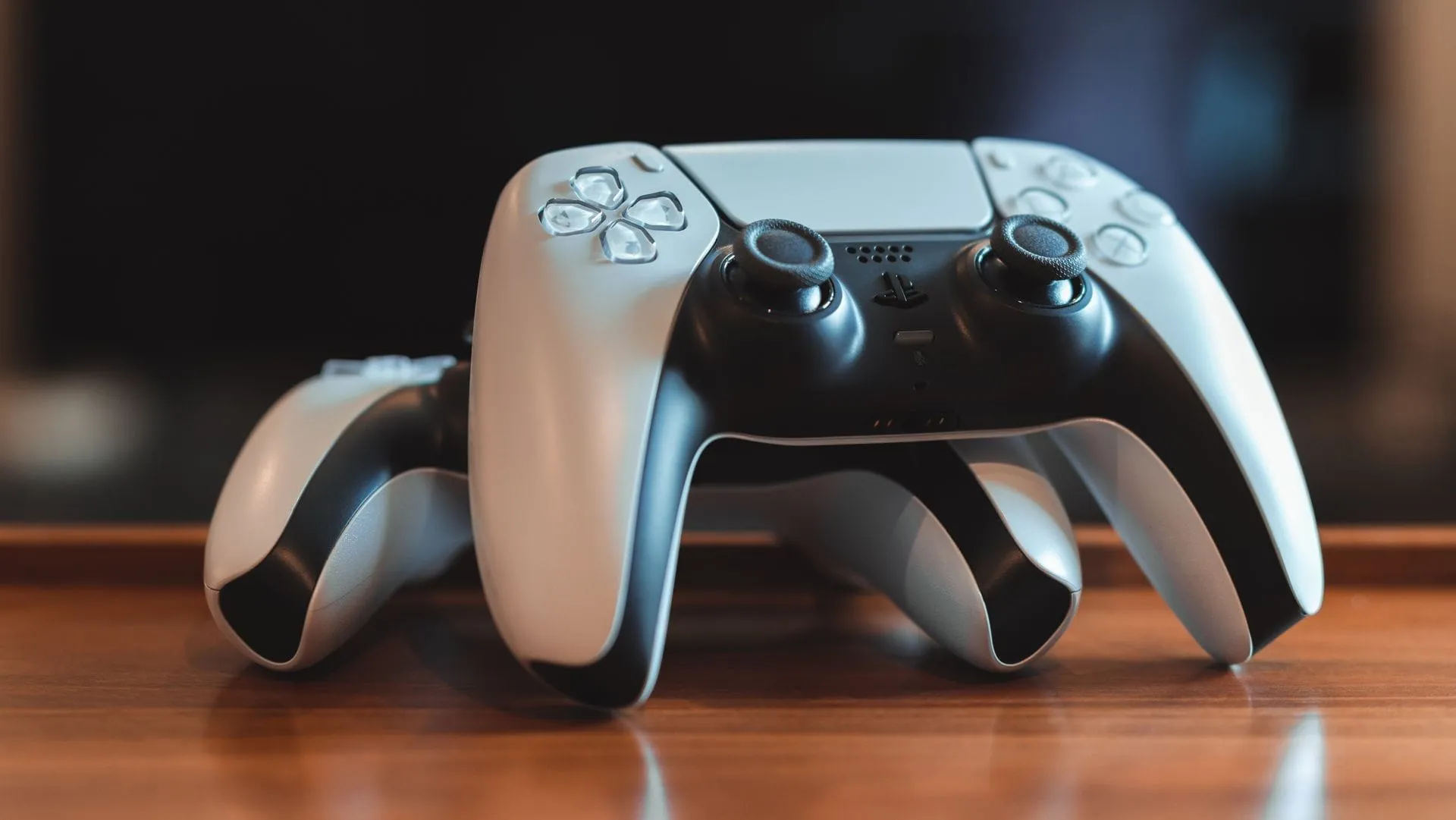
Imagine tapping your controller and instantly completing a purchase for a new game or a digital skin. This isn’t just science fiction; it’s the emerging reality hinted at by a newly published PlayStation patent.
Titled “Video Game Controller-Driven Information Transfer,” the patent details a sophisticated system designed to revolutionize how gamers interact with their consoles and content. The core idea is straightforward: allowing a PlayStation controller to accept payments directly when tapped with a credit card, smartphone, or even gift card.
This innovative system promises to streamline the often tedious process of topping up PlayStation Store balances, potentially eliminating the need for long strings of text entry. Patent artwork illustrates this vision, showing scenarios where a user could initiate a purchase simply by interacting with their controller, perhaps seeing a prompt like “Do you wish to purchase this game?”
The proposed mechanism suggests that the controller acts as a payment interface, integrating seamlessly with various technologies like NFC and Bluetooth. This flexibility allows for potential synchronization with the PlayStation smartphone application, hinting at a future where mobile payment methods are central to console transactions.
Beyond simple purchases, the patent also suggests an exciting future where the console itself could guide purchasing decisions. It hints at the possibility that the system could prompt gamers to buy a game immediately after engaging with a demo at a retailer or event, creating a more fluid and immersive retail experience.
While the vision is compelling, it is important to remember that a patent is not a finalized product. Although Sony has secured this intellectual property, it is crucial to note that patent filings do not guarantee that any specific feature will be implemented in a future PlayStation console or controller.
The technology exists in the realm of possibility, but the transition from patent to physical product requires further development. This patent serves as a powerful indicator of the innovative pathways the gaming industry is exploring, pushing the boundaries of how we will pay for and experience digital entertainment.
Buy on Amazon
Credit
