South Park reveals the Backrooms secret
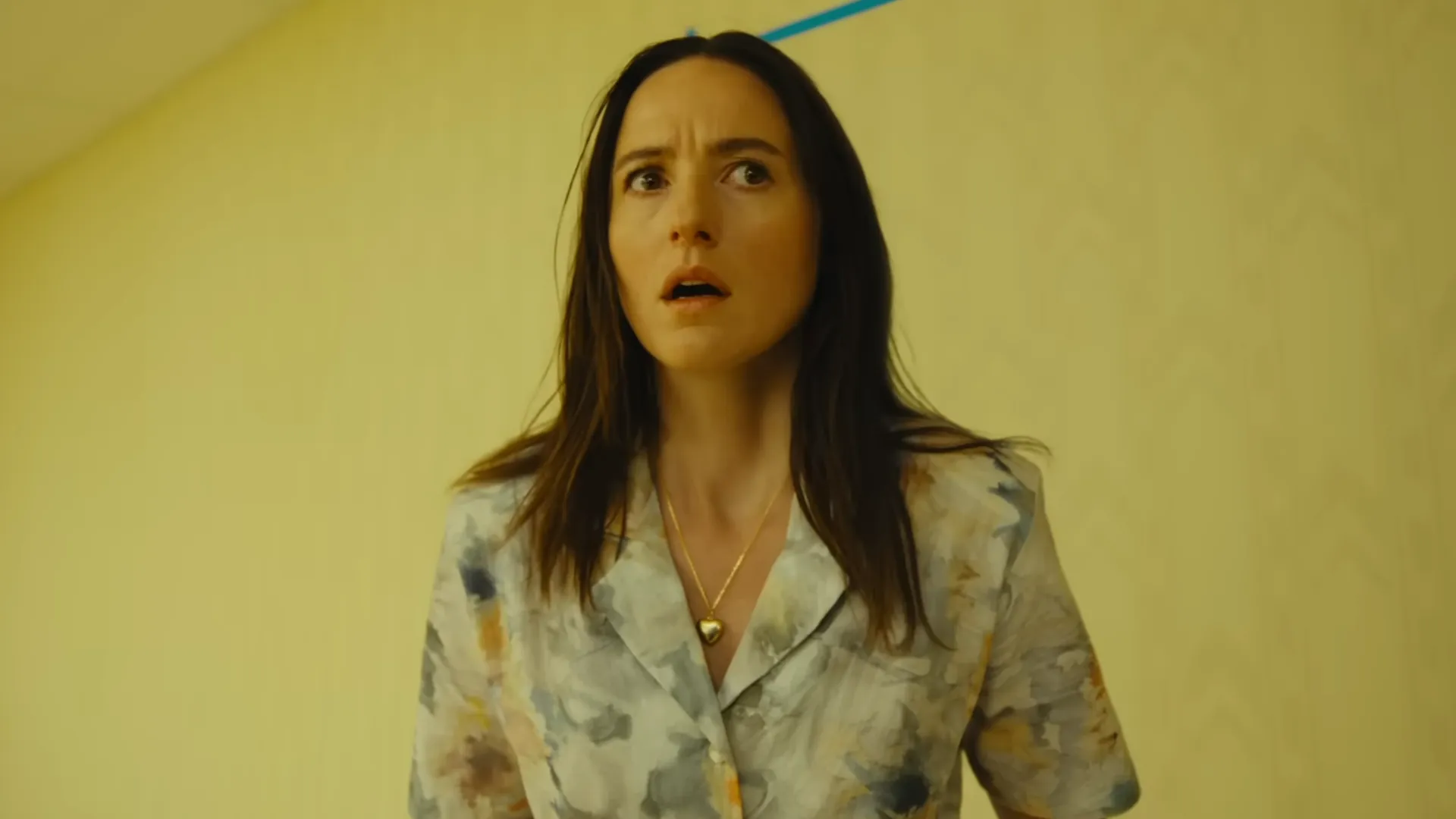
It is a fascinating phenomenon how a niche corner of the internet can break free of its confines and infiltrate the wider cultural consciousness. We see this happening constantly, from the rise of cottagecore aesthetics to the pervasive trend of maxxing—a term that seems to have snuck its way into our daily lexicon. But the most recent and potent example of this cultural seepage involves the terrifying, liminal spaces of the internet, specifically the Backrooms.
This cultural phenomenon was significantly amplified by the astronomical success of Kane Parsons’ film adaptation. What began as a specific piece of media quickly evolved into a form of cultural shorthand for anything unsettling, empty, or unreal. The film did more than just entertain; it tapped into a collective sense of unease that resonates with the deeper, philosophical questions about our reality.
The immediate reaction was a wave of creativity, with brands quickly jumping on the bandwagon to inject the Backrooms aesthetic into their marketing. From McDonald’s creating promotional content to Ikea posting themed horror shorts, and even the beauty brand Scrub Daddy sharing a clip, the Backrooms became a visible, if humorous, presence in mainstream commerce. These parodies suggested a shared, unspoken understanding that we might all, in some sense, be living inside a simulation.
But the real power of the Backrooms lies not in the surface-level parodies, but in the nuanced philosophy behind the concept itself. Parsons stressed that his film is an adaptation, not canon. He insisted that the Backrooms should not be defined by specific rules or lore, but rather exist as an abstract, shifting concept. He argued that the goal was not to conform to a fixed narrative but to allow the idea to become “blurrier in your head over time,” settling into a vague, abstract cultural moment.
This approach fundamentally changes how we should view the concept. The true fascination with the Backrooms, much like with concepts such as SCP, stems from their inherent lack of containment. The idea is that it cannot be harnessed or fixed; it is destined to dissolve, meaning it belongs to everyone and exists beyond any single intellectual property.
This philosophical freedom is what makes the concept enduring. By resisting attempts to contain it, the Backrooms invites us to accept the idea that some spaces are inherently unbound—a reflection of the very strange, mutable nature of existence itself.
Buy on Amazon
Credit
