SpaceX’s home deal hinges on AI lawsuit drop
The Price of Progress: When AI Dreams Clash with Community Peace
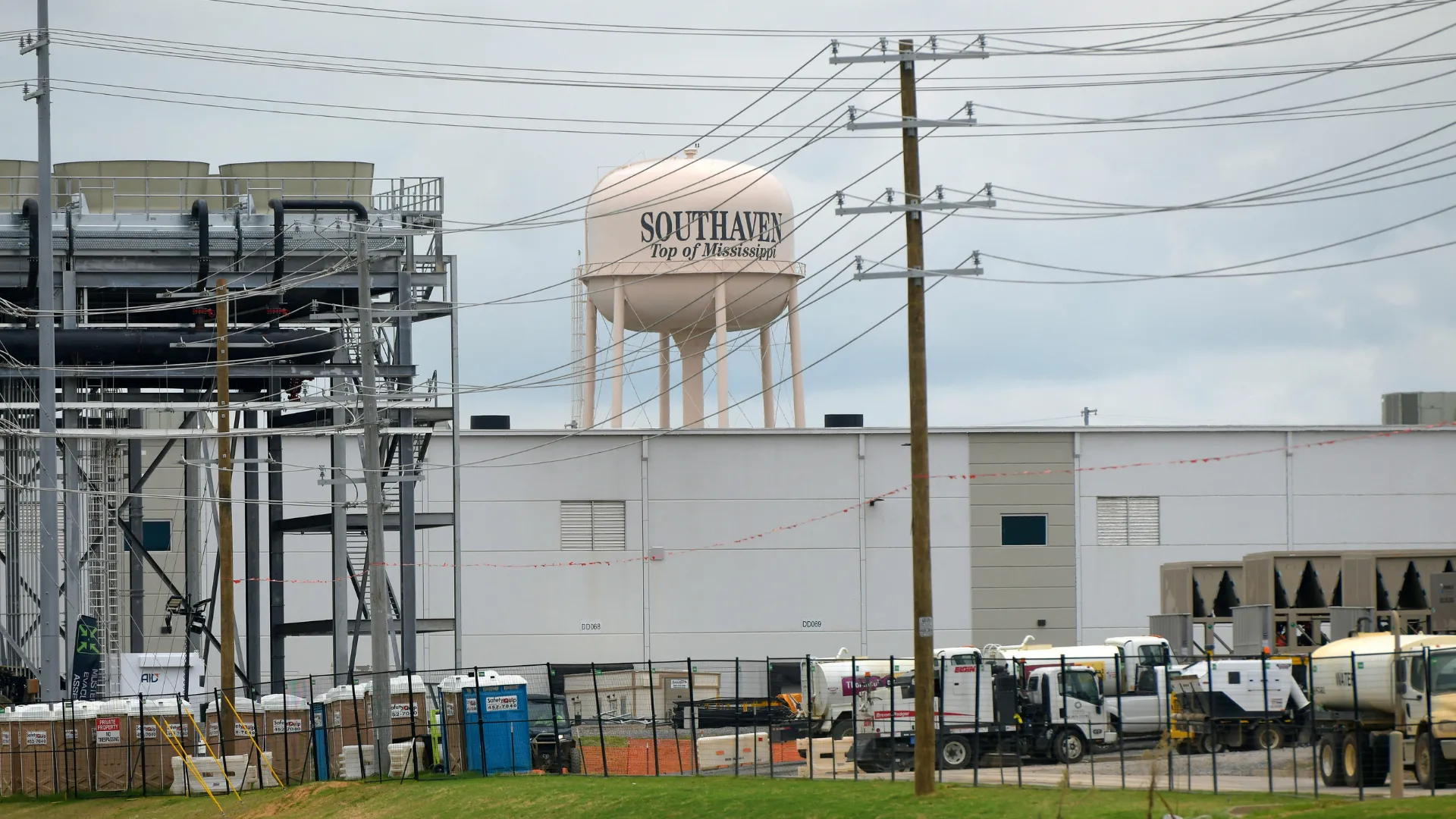
The relentless pursuit of artificial intelligence and cutting-edge technology often comes with a heavy environmental and social cost. In the case of SpaceXSI, the company powering Grok AI is now navigating a complex real estate landscape, acquiring hundreds of properties in Colonial Hills, Southaven, as it prepares to build the massive data centers required for its operations.
But this expansion is not without friction. The deal is complicated by the fact that the land is situated just half a mile from the very power plants that supply the intense energy needed for the GPUs that run the AI. Real estate agents are handling these transactions with a specific caveat: sellers must agree to forgo joining an ongoing class-action lawsuit concerning the noise pollution generated by the facility’s gas turbines.
This conflict pits massive technological ambition against the quality of life for nearby residents. Community members are grappling with the constant, pervasive noise—described by some as the relentless sound of an airplane engine—which has drastically disrupted sleep and caused significant distress. One resident recounted how the noise was so torturous they had to constantly seek escape just to find peace.
The legal battles stem from concerns over air pollution, as the operation of the Colossus 1 and 2 data center sites has involved the use of unpermitted turbines and the release of pollutants that have reportedly impacted black communities already facing health challenges.
SpaceXSI has made commitments to address these concerns, promising to replace all unpermitted turbines with sound-dampening systems and trailer-mounted generators, aiming for a complete transition within a year as its 1.2-gigawatt power plant comes online. Yet, these promised remedies have not yet silenced the persistent complaints from neighbors.
Local officials are walking a fine line between industrial necessity and residential peace. Southaven Mayor Darren Musselwhite stated that the property acquisitions serve multiple purposes: providing housing for employees and acting as a goodwill gesture toward those who perceive the industrial development as negative.
While the city monitors have not detected the site breaching the local ordinance limit of 70 decibels, experts suggest that persistent noise levels as low as 50 decibels could still pose adverse health risks. The dynamic is clearly shifting, with some residents selling their properties to escape the disturbance, while others remain, caught between the promise of economic development and the right to quiet living.
Buy on Amazon
Credit
