State of Decay 3 4x bigger action solves survival game frustration
Survival games are notoriously unforgiving, often demanding a deep dive into the grim realities of the apocalypse. But when developers introduce a new world, they have to do more than just throw you into the chaos—they have to build a living, breathing ecosystem. That is the promise of State of Decay 3, a title that is shaping up to be a truly evolutionary leap for the series, blending gritty survival mechanics with surprisingly witty character development.
The core experience remains the same: you are the caretaker of a fragile community amidst an unrelenting zombie onslaught. Players must navigate critical survival decisions, choosing where to establish a foothold, whom to trust, and how to manage dwindling resources to keep hope alive.
What elevates State of Decay 3 is its profound approach to character creation. Gone are the days of static archetypes; this game introduces a system where survivors are procedurally assembled from a vast pool of names, backgrounds, and unique traits. This depth means every playthrough offers a fresh narrative, allowing you to experience characters like Pat, the reckless rocket scientist, or Queenie, the sharpshooting lone wolf, in entirely new combinations.
And the traits themselves are where the game injects a welcome dose of humor into the bleak backdrop. If a survivor commits to a certain level of aggression, those traits will evolve, subtly shifting their personality. This dynamic system keeps characters nuanced and engaging, proving that even in the midst of plague warfare, there is room for personality and humor.
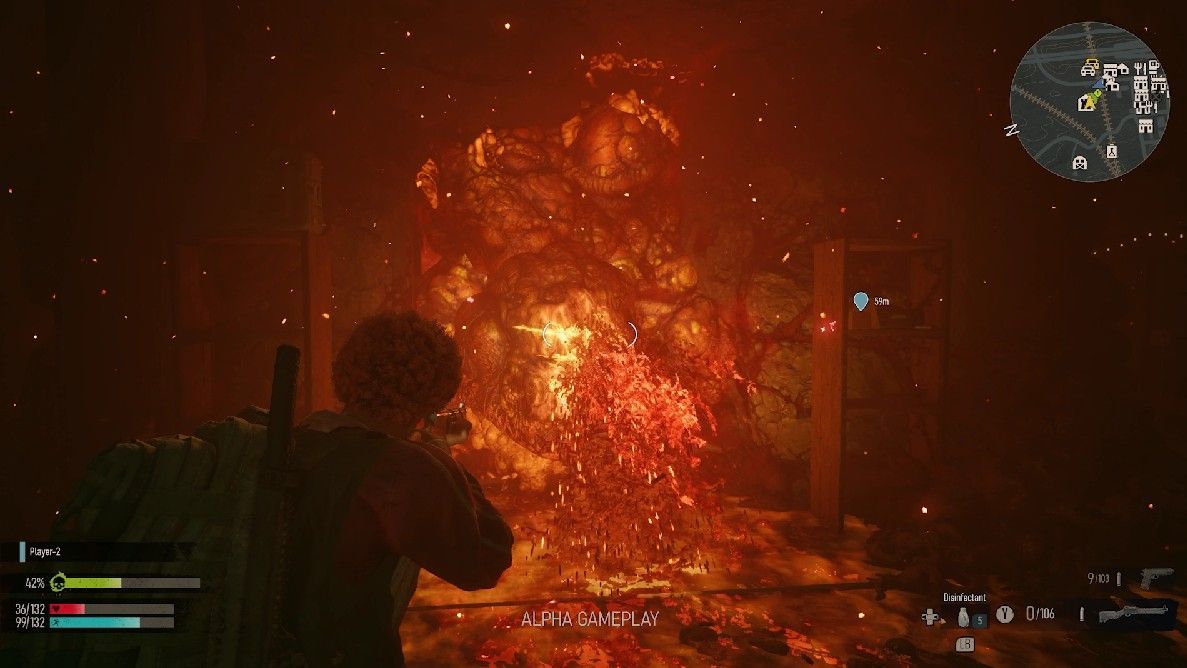
The conflict escalates dramatically with the introduction of the plague war mechanic. Settlements are no longer isolated; they are entangled in an expanding network of plague nests that act as epicenters for infestation. Players must strategically manage up to three settlements, deciding whether to focus on offensive firepower or defensive expansion. Teams can choose to pursue the heart of the plague directly or engage in more calculated tactical maneuvers by clearing surrounding weaker infestation sites first.
Combat itself feels visceral and rewarding. Developers have refined the gunplay, emphasizing physical damage and environmental interaction. Whether you are blowing off a zombie’s legs with a shotgun or using stealth to lure hordes into a trap, the combat demands engagement. Furthermore, the game allows players to fine-tune the difficulty, enabling cooperative teams to adjust sliders for plague aggression and resource management, ensuring the challenge matches the group’s preference. Ultimately, the real failure state isn’t just running out of supplies; it’s the collapse of community morale, where trust erodes and survivors scatter into the hills.
Looking ahead to the 2027 launch, the focus remains on expanding player freedom. Vehicle customization has seen a massive overhaul, allowing players to transform standard vehicles into heavy, armored tanks equipped with specialized gear like gas filters and spike wheels. This expansion promises to enhance the sense of personal identity and provide new avenues for tactical movement across the ravaged landscape.
With the road ahead smoothing out toward a closed beta by the end of 2026, State of Decay 3 is positioning itself not just as another survival game, but as a sophisticated multiplayer experience. It appears to be developing the kind of deep, evolving world that Xbox needs to cement its place in the Game Pass library.
Buy on Amazon
Credit