Steam Deck 2 plans ignore RAM crisis even with higher costs
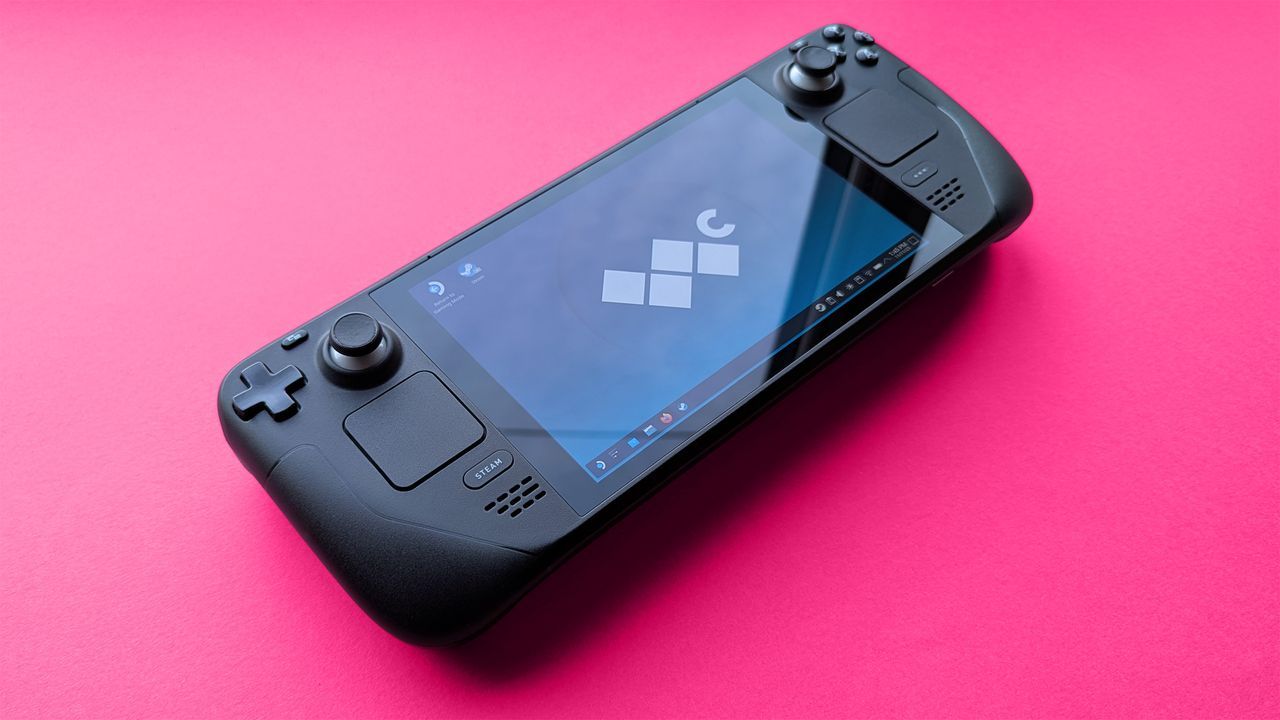
The Steam Deck didn’t just enter the market; it redefined handheld gaming. By making a powerful, Linux-based console accessible and affordable, Valve pushed handheld gaming PCs squarely into the mainstream. Now, as the industry looks toward its next evolution, the focus shifts to the mysterious successor and whether Valve can replicate that revolutionary impact.
The conversation around the future of handheld gaming is complex, especially when considering hardware limitations. When speaking with Valve developer Pierre-Loup Griffais about the potential Steam Deck 2, the discussion immediately turned to the ongoing RAM crisis and how these hardware shortages might influence future development.
Griffais was asked whether current hardware limitations would alter Valve’s plans. His response was surprisingly measured: “Not really.” This suggests that Valve is still aiming for the same core goal: balancing high performance with affordability, regardless of the component scarcity.
However, the reality of handheld PC performance demands a closer look. While the original Steam Deck remains a functional machine, its custom-made APU doesn’t compete with the latest generation of dedicated hardware. When comparing the Deck to modern Windows-based handhelds like the MSI Claw 8 EX AI+ or the ASUS ROG Ally X, the performance gap is stark. These premium options command prices ranging from nearly $1,000 to $1,800, a stark contrast to the $399 to $649 window the Steam Deck originally sought to define.
This disparity highlights a difficult paradox for Valve. The company has positioned itself as an engineering marvel, yet the cost of sourcing and assembling these devices—especially custom components—is pushing the price point far beyond the mass-market appeal the original Deck enjoyed.
Furthermore, Valve’s recent venture, the Steam Frame VR headset, priced at $1,059, further complicates the pricing strategy. It seems Valve is navigating a tricky path: trying to develop a next-generation handheld without pricing it out of the mainstream, all while managing the financial reality of component sourcing.
Valve is caught between the pursuit of innovation and market economics. The challenge lies in sourcing the necessary processors and components for a future handheld without making it so expensive that it loses its mainstream appeal. It remains to be seen how Valve will balance their ambitious vision with the practical constraints of the hardware landscape.
Credit
