Steam Deck drives Airbus Mars rover prototype
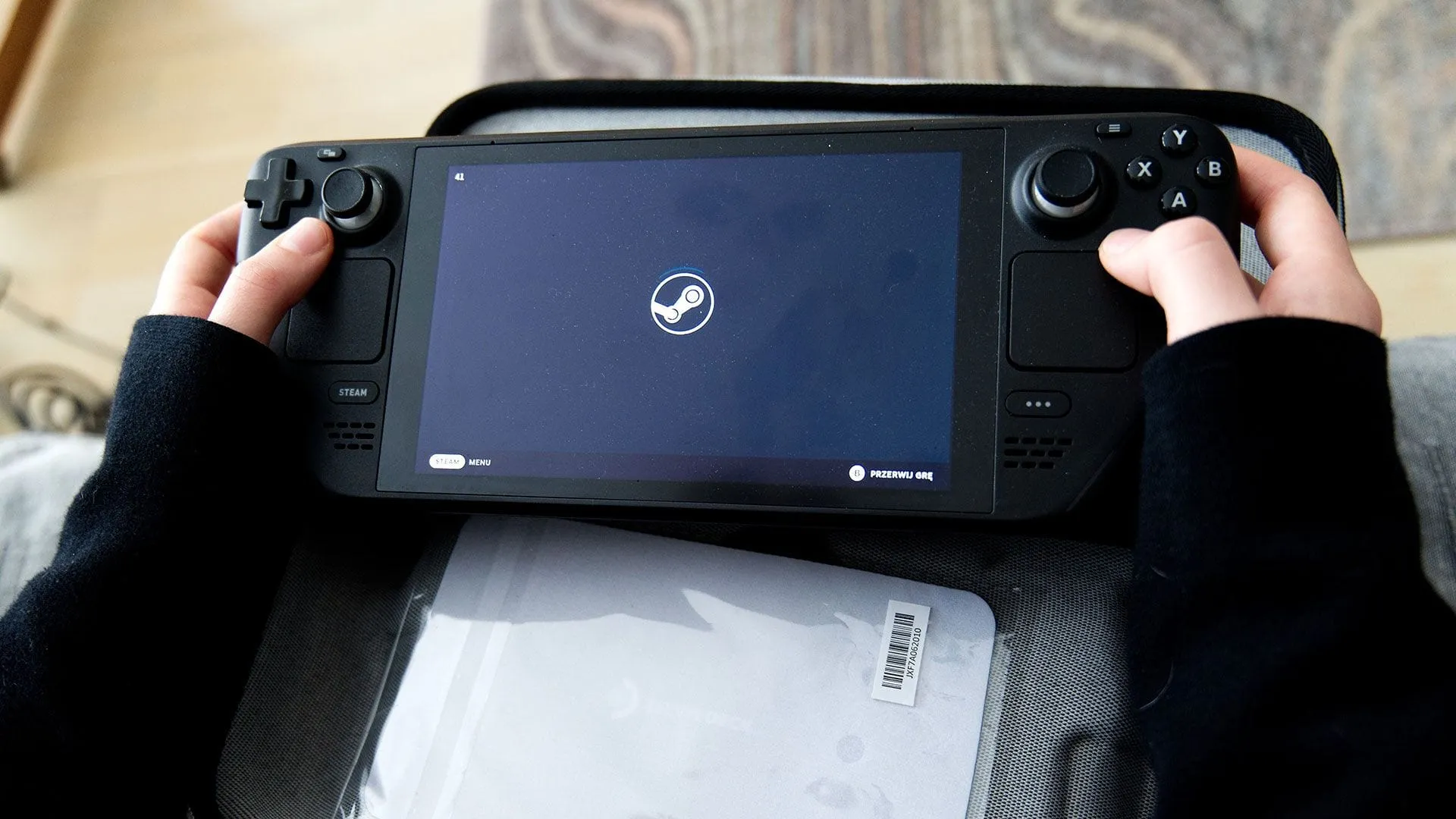
When exploring the vastness of Mars, it seems the most effective control system isn’t a clunky joystick or a complex console; it’s a handheld gaming PC. This unexpected pairing has emerged from the aerospace world, as a major firm is leveraging the familiar interface of the Valve Steam Deck to manage a prototype Mars rover during its critical development and testing phases.
The project involves the ExoMars rover, a sophisticated device being developed by Airbus in the United Kingdom. This rover is designed to be autonomous once it reaches the Red Planet, making the control systems during terrestrial testing exceptionally demanding. Engineers needed a flexible, intuitive, and powerful interface that could handle the complexities of operating the rover in a simulated Mars-like environment.
Enter the Steam Deck. Rather than traditional, specialized robotic controllers, Airbus found that the versatility of the handheld PC was the perfect fit. In a demonstration shared by YouTube personality Tom Scott, engineers showed how the Steam Deck, running custom software, could be used to directly control the rover. Users manipulated the thumbsticks, triggers, and face buttons—the very controls gamers are accustomed to—to guide the machine.
This choice wasn’t arbitrary. The Steam Deck offers a unique blend of hardware and software capabilities that proves highly advantageous for complex robotics. As a handheld PC, it operates on Linux, supports both physical and touchscreen controls, and features robust Wi-Fi and Bluetooth connectivity. This platform provides the flexibility needed to run specialized, custom control software that traditional controllers often cannot deliver.
The genius of this approach lies in leveraging existing, familiar input methods. By using the Steam Deck, the engineers gain access to a readily adaptable interface. This signals a potential future where consumer-grade computing hardware can serve as powerful, adaptable remote control systems for deep space exploration, hinting at possibilities such as the future use of technologies like Valve’s Steam Frame for similar applications.
Beyond the immediate control needs, this partnership sits within a much larger vision for Martian exploration. Airbus teams are simultaneously working on the landing platform for the Rosalind Franklin rover, aiming for a safe landing on Mars by 2030. This monumental effort represents the culmination of over two decades of work in space technology.
While the Steam Deck may not be the final control mechanism once the rover is safely on Martian terrain, its role in the development phase is significant. It provides a powerful, user-friendly, and accessible tool that accelerates the testing process, proving that the most innovative solutions for space exploration might come from unexpected places—right in the world of gaming.
Buy on Amazon
Credit
