Steam Deck Fades ROG Ally is the smart handheld PC purchase for 2026
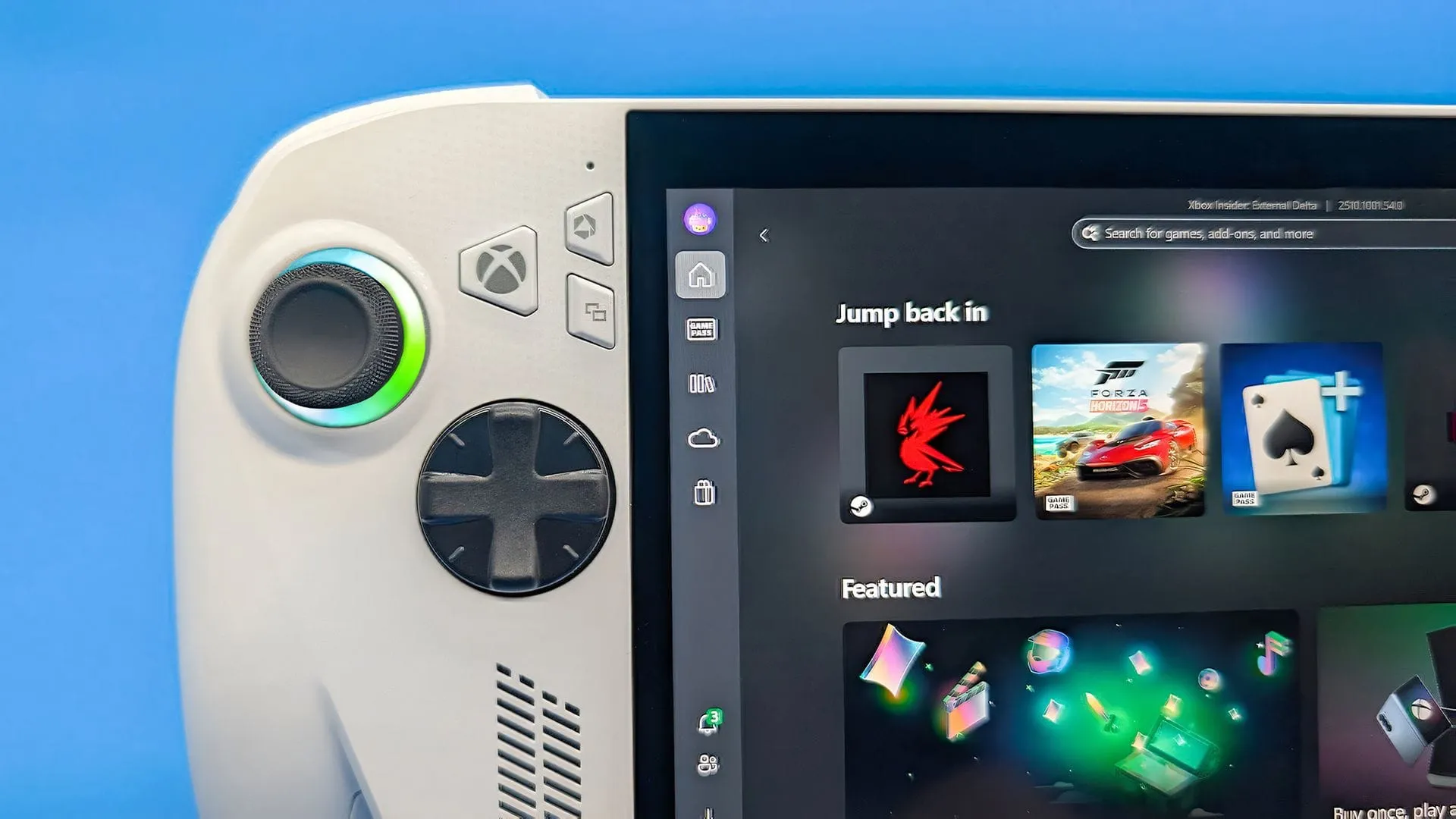
The Handheld Revolution: Where PC Gaming Meets Pocket Power
From sprawling desktop rigs to pocket-sized marvels, the world of PC gaming has undergone a seismic shift. For many of us, the journey began with pushing family desktops to their limits, installing massive titles onto tiny drives. Today, the focus has narrowed, leading to an exciting new frontier: the handheld gaming PC. This evolution isn’t just about portability; it’s about redefining what gaming means, balancing raw power with sheer convenience.
The movement toward handheld PCs has successfully pushed curious gamers toward budget-friendly options. This evolution was initially eased by accessible choices, allowing gamers to grow an appetite for high-end experiences. However, the landscape has recently presented a fascinating paradox: while some devices chase the ultimate performance of excess, others manage to stick closer to sensible pricing, leaving a wide gap between true high-end power and affordable handhelds.
In this competitive space, the battle is heating up between established players. While systems like the Steam Deck and cloud services like GeForce NOW and Xbox Cloud offer excellent entry points, the question remains: what about the true handheld PC experience? This is where manufacturers are stepping in, offering new compromises that balance features and cost.
One notable contender is the ROG Xbox Ally. Positioned as a strong option, the device leverages AMD’s Ryzen Z2 A processor, offering performance comparable to the Steam Deck. Remarkably, the Ally holds a competitive price point, selling for $599.99, mirroring its launch cost, and attracting positive feedback regarding its price-per-performance ratio.
This positioning is particularly interesting when compared to the market. While the cheapest Steam Deck starts at $789 for a 512GB model, the Ally offers a fresh alternative. Furthermore, the Ally boasts the ability to hit a higher 120Hz refresh rate than the Steam Deck OLED’s 90Hz, utilizing variable refresh rate (VRR) technology to smooth out visuals and reduce tearing—a key benefit for competitive play.
The discussion inevitably shifts to operating systems. Historically, the appeal of handheld PCs was linked to the simplicity of SteamOS. However, the rise of Windows-based options, such as the ROG Xbox Ally, challenges this narrative. While the appeal of a streamlined system remains strong, the fact is that there is nothing stopping anyone from installing SteamOS on a Windows-based handheld. The ultimate experience depends on the device, not the OS itself.
The broader economic context adds another layer to this discussion. Gamers are navigating a challenging environment where the soaring costs of AI hardware infrastructure and the memory crisis make high-end components increasingly unaffordable. This economic reality softens the argument for a pure PC experience, suggesting that the value in handheld gaming increasingly rests on accessibility rather than absolute, uncompromised specifications.
Ultimately, the handheld PC arena is defined by innovation and value. As more manufacturers release devices targeting far below $1,000, the competition is forcing a reckoning. Whether the ROG Xbox Ally becomes the mainstream choice depends on its ability to sustain that competitive pricing while delivering a truly compelling, future-proof experience.
Buy on Amazon
Credit
