Steam Frame fixes bug and cuts recharge times in half
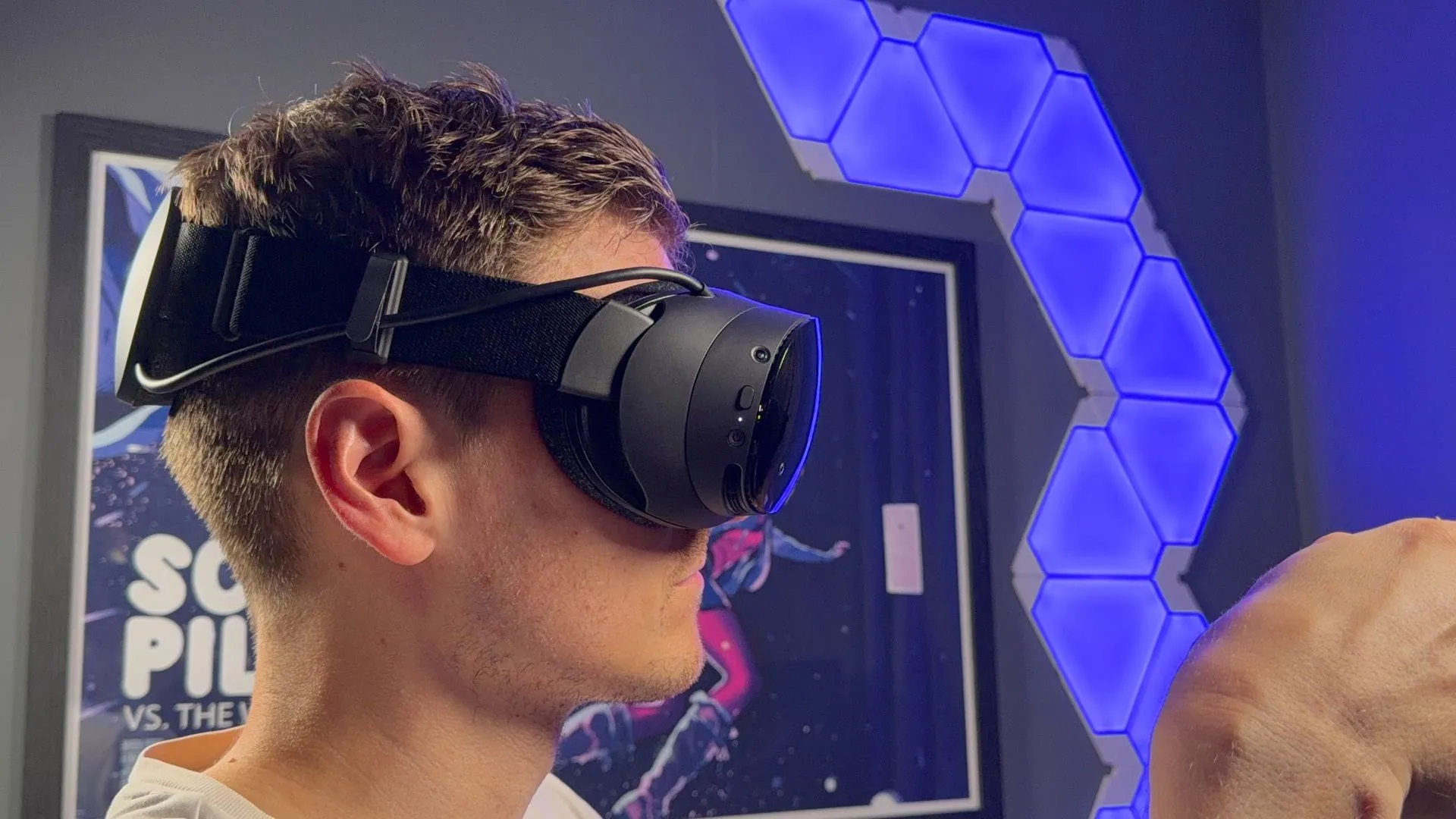
The quest for the perfect VR experience often involves wrestling with the technical details, and recently, the community has received a significant update that addresses one of the most frustrating aspects of using the Steam Frame: battery performance. A fresh version of SteamOS for Steam Frame has landed, bringing not just stability fixes, but a genuinely welcome improvement for VR enthusiasts.
For some users, the pain point lay in the charging process. Early tests revealed that charging the VR headset could be a protracted ordeal, taking over two hours to reach full capacity. Furthermore, observations using power meters suggested a disconnect between the time reported and the actual energy being delivered. This discrepancy sparked an investigation into whether these delays were simply a symptom of protective measures or a genuine flaw in the system.
When users sought clarification, Valve provided insight, noting that while a full charge still takes around two hours, the charging process itself is designed to be dynamic. It involves a fast charging phase up to 65% and a standard charging phase thereafter, suggesting a tiered approach to energy delivery.
But the real game-changer came from real-world testing. By intentionally leaving the Steam Frame switched off during charging—a practice that often seems counterintuitive but proves beneficial—testers uncovered the potential for vastly improved speed. One test showed that charging from a low state to 65% could happen in under 40 minutes.
More impressively, when the system was deliberately left in a low-power state, power meter readings indicated a substantial boost. One experiment demonstrated a charge from 4% to 65% in just 35 minutes, with power delivery spiking to roughly 31 W. This highlighted that the system could operate more efficiently when idle, allowing users to enjoy the headset without the anxiety of waiting for a full charge cycle.
This newfound efficiency is now baked into the latest iteration of SteamOS for Steam Frame, specifically in version 0.3.0. Beyond the charging enhancements, the update rolled out a host of quality-of-life improvements. These include enhanced controller tracking when haptics are active, improved system stability under high load, and crucial fixes for motion smoothing behavior and per-application settings.
Valve also addressed developer-focused changes, allowing players to select any resolution as a performance criterion, unlocking greater flexibility. These changes demonstrate a clear focus on refining the experience, ensuring that while the hardware is powerful, the software supporting it is intuitive and efficient. As Valve continues to build out the library of certified games, these underlying system improvements ensure that the experience remains seamless for all users.
Buy on Amazon
Credit
