Steam shuts down mods after Workshop malware attack
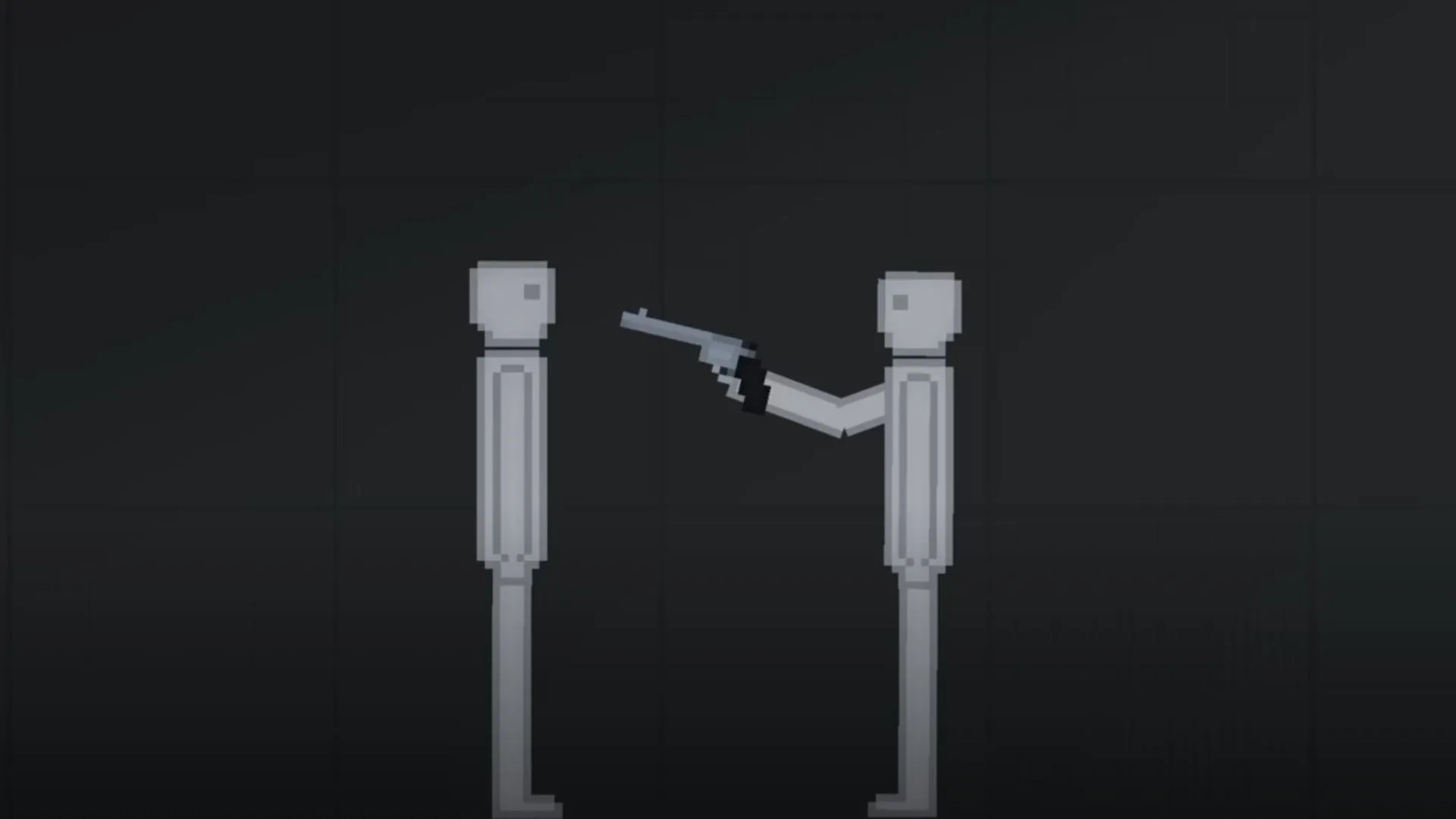
The Digital Dungeon: When Game Mods Turn into Malware
The promise of the Steam Workshop is that it is a fertile ground for creativity—a place where developers can share and build endless content. But for some, this ecosystem has turned into a digital dungeon, where the quest for fun is often overshadowed by the threat of malicious code. This tension reached a fever pitch recently, as the game world of People Playground experienced another shocking incident involving malware masquerading as a simple mod.
The chaos began when Studio Minus, the developer of People Playground, took a drastic step. On September 22nd, the team disabled Steam Workshop support, citing a malicious mod as the source of the trouble. This move was a desperate measure, a digital quarantine of a rapidly escalating threat.
However, the situation is far more complex than a simple mod conflict. A user investigation into the malicious code revealed a disturbing level of intrusion. It wasn’t just a broken game file; the malicious program was capable of hijacking user accounts, stealing personal information, destroying game files, and even broadcasting slurs to Steam friends.
Even when the threat was initially downplayed, the gravity of the situation was clear. Studio Minus has since released a new build of People Playground that completely prevents mods from running. More critically, the team has stated that they will only reinstate Workshop support if the mods can be proven fundamentally safe, a standard they admit “might never happen.”
This incident is not an isolated event. It marks the second time this year that the People Playground community has faced a malware outbreak through the Workshop. This pattern suggests a deep, systemic vulnerability within Steam’s open publishing platform.
The frustration behind this cycle is palpable. People Playground‘s primary developer, zooi, described the ongoing struggle as a “technical hellscape,” lamenting that it is technically impossible to properly sandbox mods in their current state. The situation has devolved into a seemingly endless arms race between security measures and malicious exploits.
This reality highlights the double-edged sword of Steam’s open publishing model. While it grants small developers a powerful platform to share their work, it simultaneously exposes the entire community to security risks that established, more tightly controlled platforms often avoid.
The history of these incidents is growing. Since the year began, the community has seen multiple outbreaks, including incidents involving Project Zomboid mods, virus-laden wallpapers for Wallpaper Engine, and malware-infested maps for Meccha Chameleon. These cases demonstrate that when content is freely shared, the line between creative expression and digital danger can become perilously blurred.
Ultimately, the People Playground saga serves as a stark reminder: enjoying the bounty of a shared digital space requires vigilance. As developers and players continue to navigate the vast landscape of Steam, the battle for software safety is not just about code; it is about securing the very foundation of the creative experience we all share.
Buy on Amazon
Credit
