Stop the console war argument you are exhausting
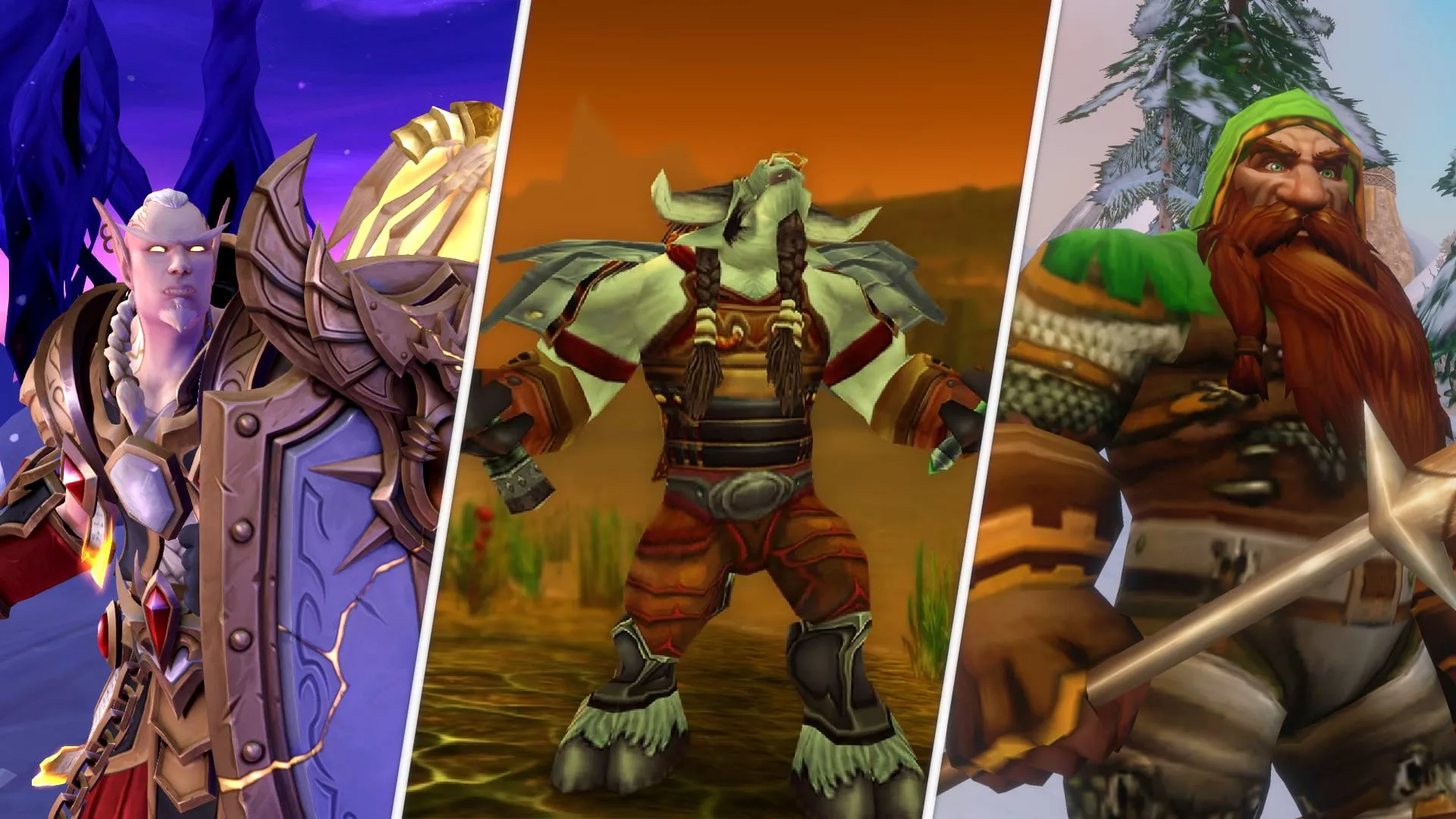
I’ve been diving deep into the World of Warcraft: Forever beta, and it’s time to admit something: I think it’s doing something brilliant. It’s recapturing the very essence of the oldschool MMO experience that we all collectively lost. While I’ll joke about rejecting modernity, this feeling comes from a place of genuine appreciation for design purity, and that’s where the real conversation should begin.
The current discourse around WoW is incredibly passionate, often devolving into loud, passionate arguments over which version of the game is superior. We see clear, entrenched factions battling over the very soul of the franchise.
On one side, you have the Church of Retail, who champion the modern conveniences of the game. They believe that accumulated transmogs, player housing, and streamlined systems are the superior experience, dismissing older iterations as mere nostalgia.
Then there are the staunch traditionalists of House Classic, veterans who insist that no changes should be made. For them, introducing even the slightest quality-of-life improvements feels like a heresy.
But there is a growing voice, the Coalition of Forever, who sees a glorious dawn on the horizon. They scoff at the idea that they are stuck in a “millennial retirement home,” instead believing that MMORPGs should have always been about pure, exploratory adventure.
I find myself standing in the middle of this battlefield, feeling the exhaustion of it all. I adore variety—from hopeful science fiction RPGs like Citizen Sleeper to every soulslike and simulator out there. I believe there is a space for everyone, and that means acknowledging that different approaches can all be valid.
The design of Retail World of Warcraft isn’t inherently bad; it’s simply different. It is frictionless, easy, and keyboard-smashing fun. It excels at player housing and alt-friendliness, removing mandatory chores and allowing players to focus on exploration and action.
The Coalition of Forever offers a different philosophy. It shrugs off the modern systems in favor of pure design opposites: no overwhelming new patch-specific systems, no chore lists, and no dungeon finders. You log in, you settle into your chosen world, and you pursue a quest with fellow players, perhaps meeting an undead paladin around a campfire. That is the game.
The real friction arises when this preference is weaponized. The idea that modern WoW is somehow corrupt, an anti-gamer monolith that needs to be rescued, is exhausting. It is unhealthy to attempt to define an identity or personhood by defending one particular historical iteration of a video game.
Ultimately, the reality is that Blizzard profits from all these versions. They don’t care if we like modern WoW or Classic; the money flows regardless. The constant name-calling and arguing over versions is just console wars, except instead of fighting over hardware, we are fighting over different versions of the same game.
Instead of letting pettiness dictate the narrative, we should find a way to be normal online. The core innovation in WoW’s history lies in how it reinterprets oldschool MMO design with just a few sprinkles of convenience. We can appreciate the past without being trapped by it, and we can move forward without resorting to unnecessary conflict.
Buy on Amazon
Credit
