Strike halts Taiwan chip talisman snack production
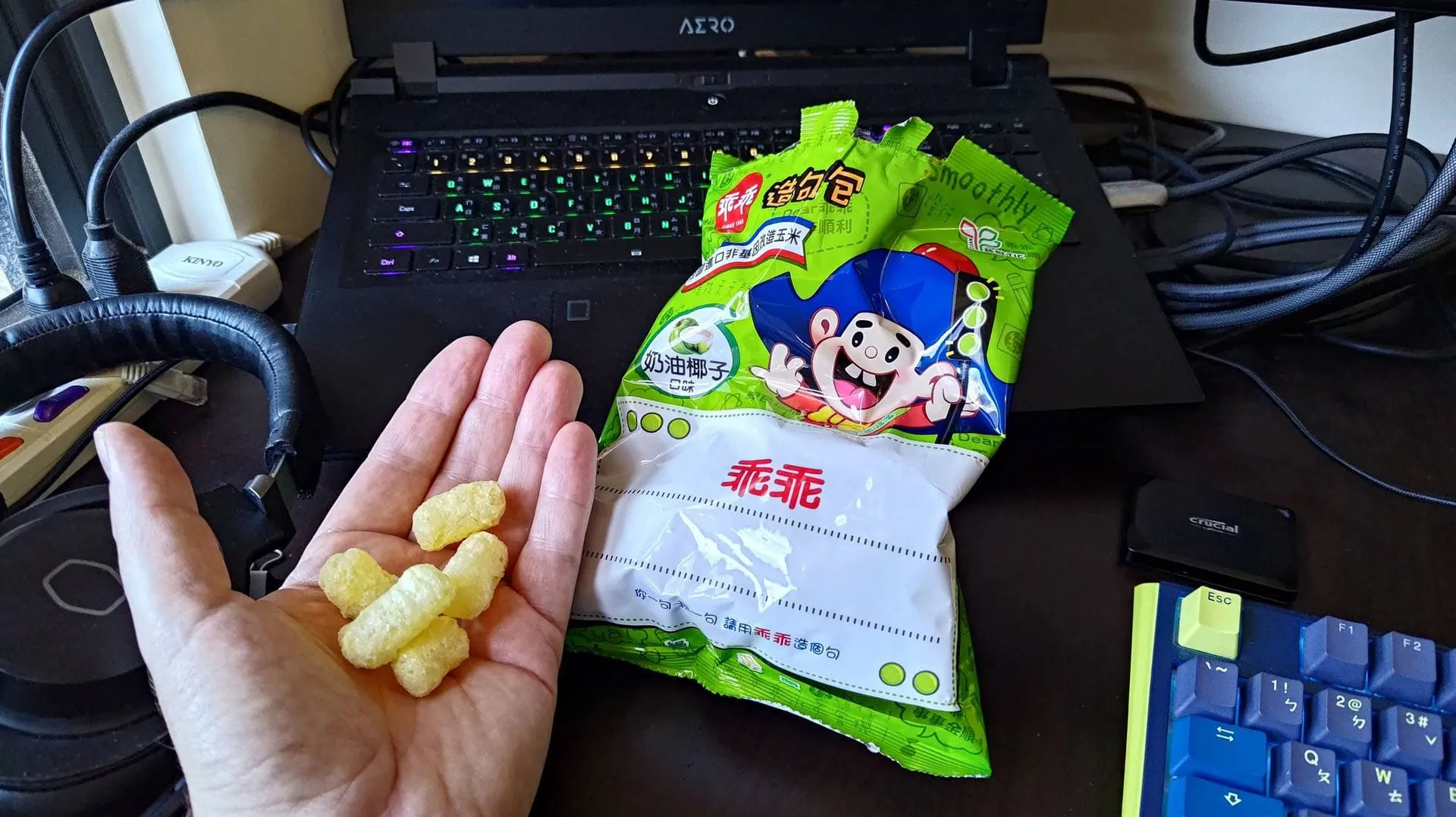
In the high-stakes world of semiconductor manufacturing, where national security and cutting-edge technology drive global trade, there exists a curiously sweet, yet equally contentious, story unfolding in Taiwan. Amidst the relentless pursuit of technological supremacy, a quieter, yet intensely dramatic battle is raging on the factory floor of a company known for its creamy coconut-flavored treats: Guai Guai snacks. This seemingly innocuous confectionery has unexpectedly become the backdrop for a major labor dispute, pitting long-serving employees against corporate relocation plans and massive financial windfall.
The history of the Guai Guai facility in Zhongli, Taiwan, stretches back to 1968. For generations of workers, this factory has been a pillar of the local economy. More than a third of the workforce has dedicated three decades or more to the company, representing a deep commitment woven into the very fabric of the operation. But as the global chip industry tightens its grip, the focus shifted from the lucky flavor of the snacks to the hard realities of employment and relocation.
Recently, the Guai Guai Company announced plans to relocate its production facilities to Hsinchu, a region that quickly became synonymous with Taiwan’s advanced silicon valley. While this move places the factory closer to the heart of the technology hub, it introduces a significant tension for the established workforce. While the company offered workers the option to relocate or commute, and a modest 5% pay increase, the true friction emerged over the massive financial gains made by the company in the process.
The core grievance centers on the sale of the Zhongli site. Taiwan’s Advanced Semiconductor Engineering Inc. (ASE) acquired the property for redevelopment, netting the company a substantial sum of NT$5.6 billion (equivalent to US$176.1 million). Crucially, the union argues that this colossal windfall was distributed solely to the company, with no bonus, dividend, or benefit shared with the factory workers who built that success.
This disparity fueled the workers’ demands. The union is now seeking written guarantees regarding severance packages and pay raises, arguing that the long-serving staff deserve a meaningful share of the ‘AI windfall.’ They are not just asking for a simple raise; they are seeking recognition for the years of labor that earned the company its wealth.
Furthermore, the demands extend beyond simple compensation. Disgruntled employees are also seeking severance packages for those who choose not to relocate, alongside a significant monthly salary increase of NT$10,000 (US$315) for those who remain in their familiar setting. The demands reflect a desire for justice, ensuring that the labor that powered the snack-making empire is recognized in the new technological era.
The response from the workforce has been emphatic. A massive 94% of the Guai Guai workers have voted in favor of strike action, putting the company and management in a tense negotiation phase. While talks are ongoing, the situation is being watched closely by local authorities. The Taoyuan Department of Labor is monitoring the dispute, ready to intervene and ensure that the company’s offer respects the years of service and secures the livelihoods earned by the workers.
Buy on Amazon
Credit
