Super Intelligence: The US AI name that fixes everything
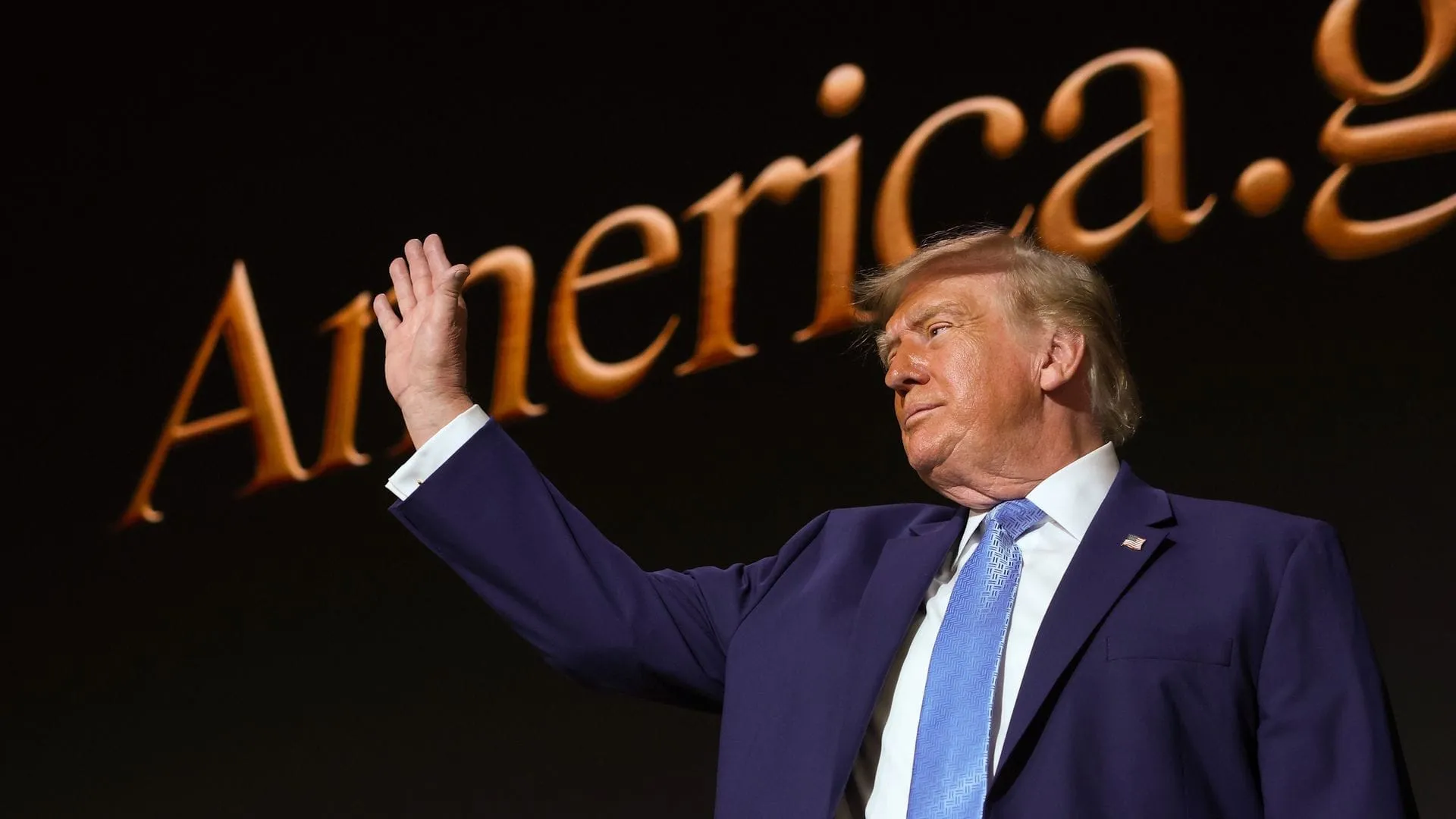
When the world’s most powerful figures convene to discuss the future of artificial intelligence, the conversation often takes a decidedly peculiar turn. Recently, the atmosphere surrounding the development of superintelligence was marked by a high-level agreement that brought together the titans of the tech world, sparking both excitement and a healthy dose of skepticism.
At the heart of this high-stakes conversation was the White House Accord on Super Intelligence. This agreement, signed by a constellation of tech oligarchs—including Sundar Pichai of Google, Dario Amodei of Anthropic, Mark Zuckerberg of Meta, Greg Brockman of OpenAI, Elon Musk of XAI, and Jensen Huang of Nvidia—underscored a shared, yet carefully worded, commitment to developing and deploying this powerful technology safely.
While the signing itself was a monumental display of cooperation, the underlying principle was perhaps the most interesting part of the accord: the responsibility rested squarely on the companies building this technology to self-regulate. The framework called for participating companies to establish standards and best practices to improve system safety, effectively placing the burden of safety on the industry itself.
Of course, when you look at the broader political landscape, this high-level cooperation felt almost laughably detached from the pressing reality of public concern. It was a peculiar mix of world-changing ambition and self-imposed limitations. For context, the same administration was simultaneously pursuing some rather whimsical renaming efforts, such as the proposal to change the name of the Gulf of Mexico or Lake Ontario, which seemed an amusing contrast to the profound implications of superintelligence.
Yet, despite the whimsical nature of some political gestures, the seriousness of the AI discussion itself demands attention. The irony lies in the fact that while the industry decided to manage its own safety, other voices argued that self-regulation alone would be dangerously insufficient. Bill Gates, a prominent figure outside the immediate industry, voiced strong reservations about this approach, pointing out that outside of the corporate world, awareness of the real dangers posed by AI remains alarmingly low.
Gates stressed that relying solely on industry self-regulation is “insane,” suggesting that the necessary safeguards require robust oversight from academia, think tanks, and policymakers. He emphasized that the public, and even the experts, cannot simply trust the corporations to manage the immense risks involved in creating superintelligence.
Ultimately, the story of the Super Intelligence Accord is less about the technical specifications of AI and more about the complex, often contradictory, relationship between technological power, corporate self-interest, and global responsibility. It serves as a reminder that even when the smartest people in the room agree on a principle, the journey toward true safety requires more than just a signed accord—it requires genuine, transparent, and external accountability.
Credit
