Super Micro pleads guilty to AI chip smuggling to China
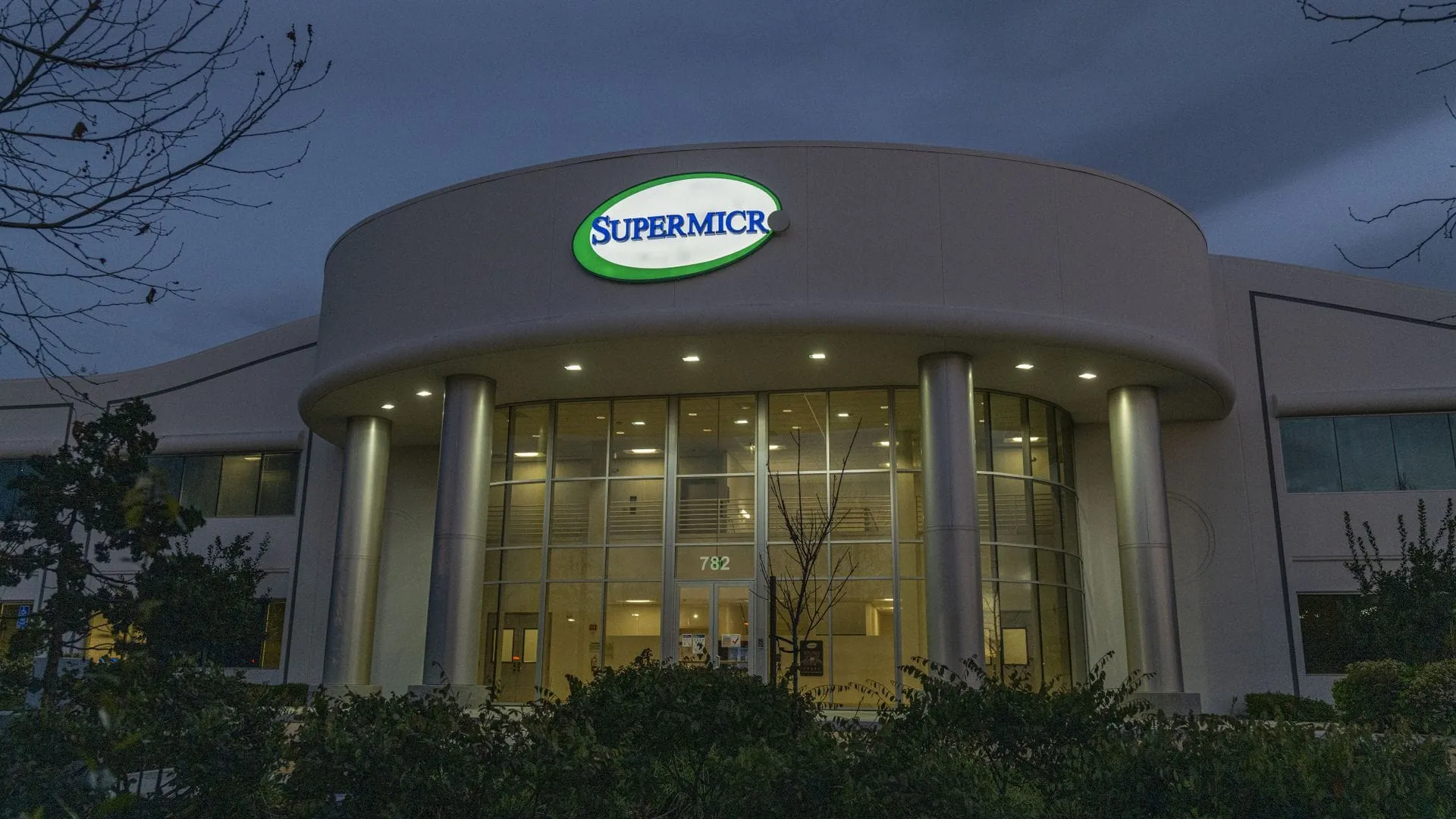
The high-stakes world of artificial intelligence is not just defined by groundbreaking algorithms; it is also shadowed by complex, illicit supply chains and international espionage. A recent investigation has pulled back the curtain on a staggering scheme involving the illegal diversion of Nvidia AI chips, uncovering an elaborate operation that blurred the lines between cutting-edge technology and organized crime.
The focus of the investigation landed on several key figures connected to the Super Micro computer company, including third-party broker Ting-Wei “Willy” Sun, co-founder Yih-Shyan “Wally” Liaw, and sales manager Ruei-Tsang “Steven” Chang. These individuals have pleaded guilty to conspiring to unlawfully divert Nvidia AI chips to China, marking a significant development in the ongoing global battle for technological dominance.
The mechanism behind this illicit trade was ingeniously complex. The alleged operation involved Super Micro servers filled with Nvidia chips that were systematically routed out of the United States. To conceal the shipment, the conspirators employed a cunning method: they used dummy server shells and even utilized hair dryers to remove serial numbers from the real hardware, allowing the real chips to be moved into the fake containers. This carefully orchestrated deception created an illusion of legitimate commerce while the actual materials made their way across borders.
The journey of these high-powered components took them through intricate international channels. The servers were ultimately routed via a Thailand-based corporation, which then delivered the hardware to Alibaba, even as the Chinese tech giant publicly denied receiving the restricted Nvidia hardware.
While the criminal plea addressed Sun’s role, the fallout extended to the company itself. Super Micro, which had amassed $2.5 billion in sales since 2024, denied any knowledge of the operation. However, shareholders have stepped forward, filing lawsuits against the company, accusing it of concealing its heavy dependence on these illicit sales to China.
The legal battle continues across the globe. While Wally Liaw has pleaded not guilty to the smuggling charges and is awaiting trial, the other co-conspirator, Steven Chang, remains a fugitive. Simultaneously, Taiwanese authorities have intensified their own probe, conducting raids on Super Micro offices and the residences of six individuals involved in the illegal export of AI chips.
Super Micro maintained that it cooperated fully with both U.S. and Taiwanese authorities, providing access to workstations and employees’ gadgets during the investigation. The company also insisted that it had collaborated with law enforcement to block the illicit diversion of servers and reported firing several employees following its independent inquiry into the chip smuggling claims.
This incident underscores the intense scrutiny facing the AI sector. It highlights the serious concerns surrounding the protection of hardware advantages in the global race for artificial intelligence, especially as other entities—including the Chinese government—also pursue aggressive strategies to exploit technological advantages. The actions taken by authorities signal a firm commitment to managing the risks inherent in rapidly evolving technologies.
Buy on Amazon
Credit
