Surface feels fragmented after the latest refresh
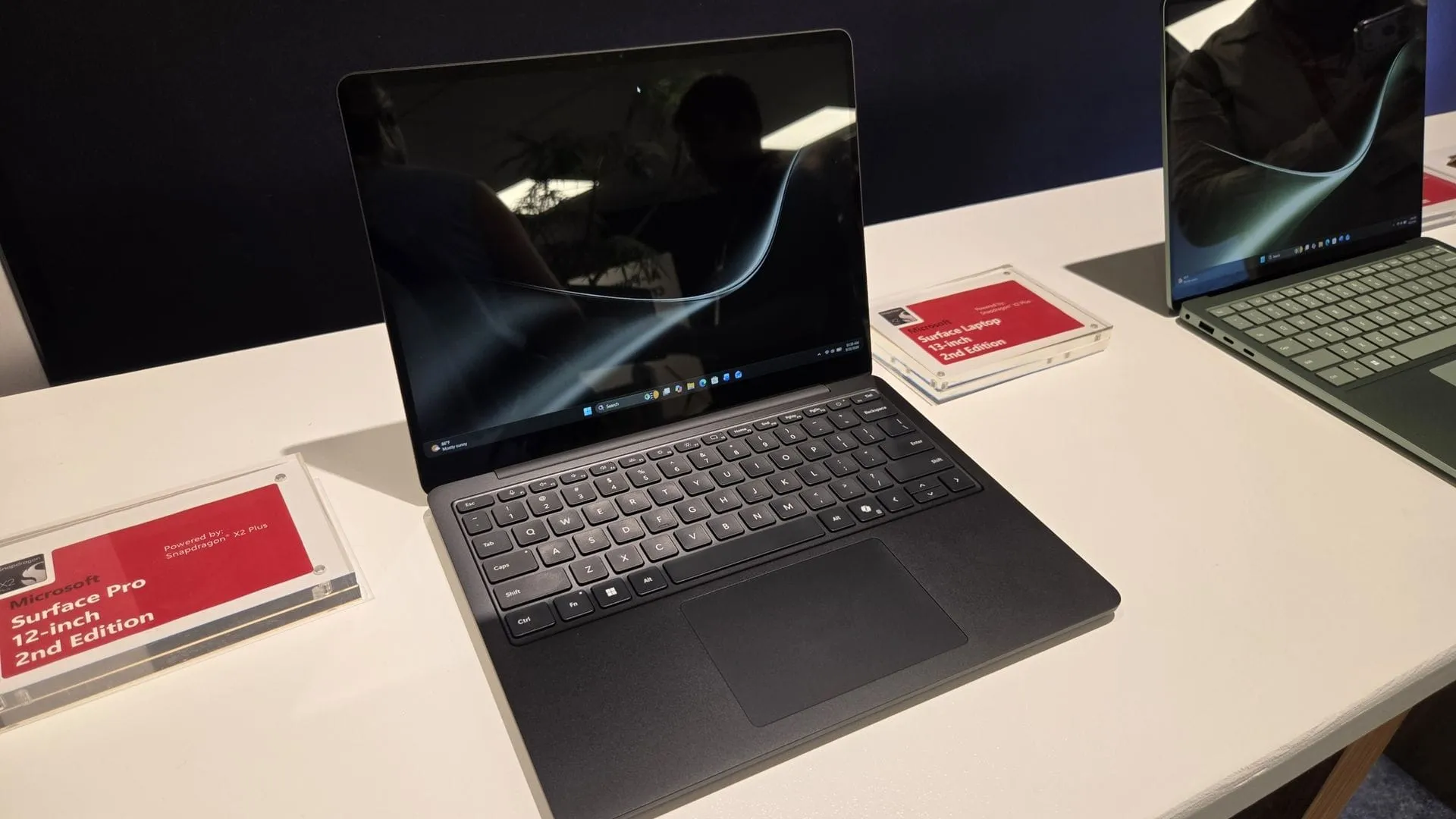
The Surface Revolution: How Microsoft is Redefining PC Power with Snapdragon AI
Microsoft’s Surface division is currently throwing down new hardware, signaling a major pivot in the personal computing landscape. Freshly unveiled devices are not just incremental updates; they represent a significant shift in how powerful, portable PCs can be built, powered by cutting-edge mobile technology.
At the heart of this refresh are new chips from Qualcomm, specifically the Snapdragon X2 Plus, integrated into the Surface Pro 12-inch and Surface Laptop 13-inch. This move is designed to deliver tangible improvements in performance and graphics, promising a more powerful and efficient experience for users.
Beyond raw processing power, the real magic lies in the integration of local Artificial Intelligence. These new Surface devices feature advanced Neural Processing Units (NPUs), which allow for significantly improved local AI performance directly on the device. This focus on on-device processing aligns perfectly with Microsoft’s stated goal to explore how local AI will shape the next chapter of the PC market.
This focus on local intelligence addresses a growing demand for privacy and speed, allowing applications and tasks to run more efficiently without constant reliance on cloud infrastructure. It positions the new hardware not just as faster laptops, but as intelligent computing hubs.
While the hardware updates are exciting, the strategy behind them invites a deeper look at Microsoft’s broader vision. The timing of these announcements, alongside the upcoming Windows and Surface event scheduled for October 7, 2026, suggests a strategic play. Some might wonder why this focus on new Surface models overshadows other anticipated hardware.
The Surface brand itself continues to navigate a complicated path. Having historically managed both Intel and Snapdragon architectures separately, the brand has faced challenges in establishing a unified identity. This fragmentation has led to a complex product line, often feeling like a collection of disparate devices rather than a cohesive ecosystem.
As Microsoft moves forward, the spotlight is likely to shift. Attention may pivot towards other major innovations, such as the Surface Laptop Ultra and the development of new technologies like the NVIDIA RTX Spark Dev Box. The narrative is shifting from simply updating familiar models to exploring the future of integrated, AI-first personal computing.
Buy on Amazon
Credit
