Tag: Colossus

  • Elon Musk gets FTC greenlight to buy Mesh Optical for AI

    Featured image Elon Musk gets FTC greenlight to buy Mesh Optical for AI

    The Light Race: How Elon Musk is Securing the Future of AI Infrastructure

    In the high-stakes world of artificial intelligence and massive data centers, bottlenecks are defining the pace of progress. Now, a monumental shift in infrastructure is underway, driven by the race to connect processors faster than they can compute. This critical intersection has brought the focus squarely on optical networking—a technology poised to unlock the next generation of AI capacity, and it is precisely this area that Elon Musk is making a strategic play in.

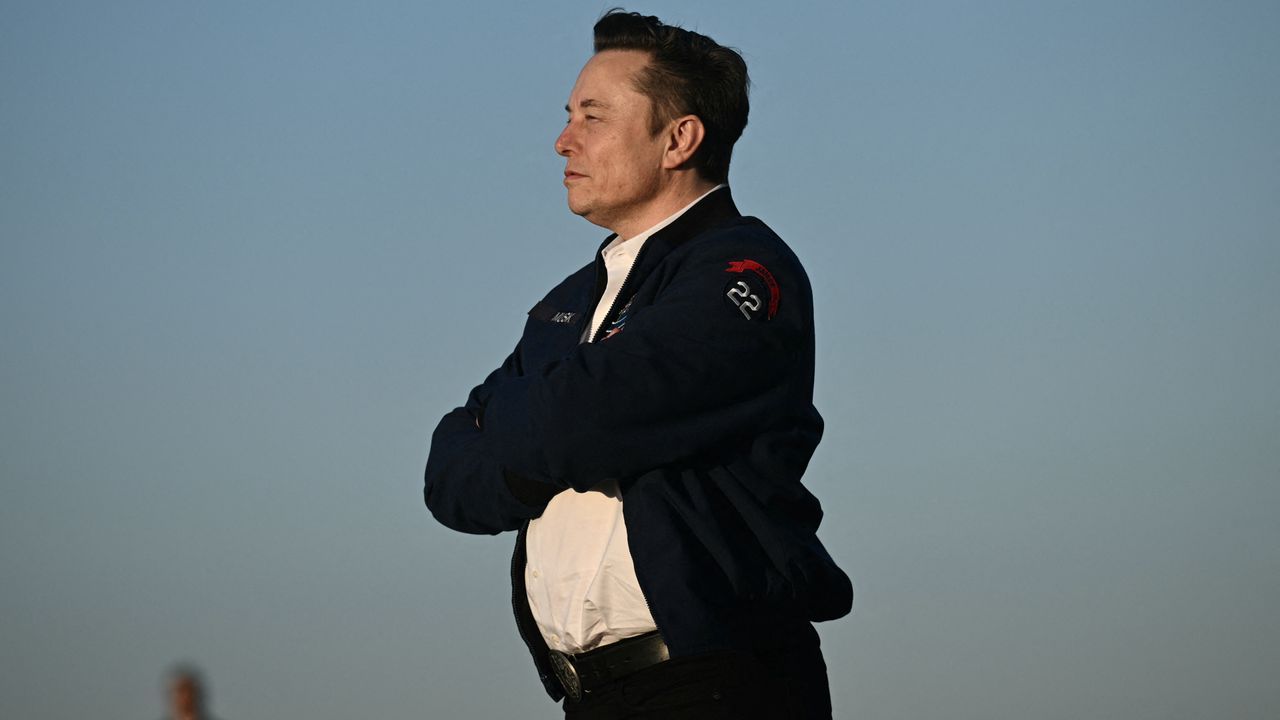
    Musk recently secured regulatory approval from the Federal Trade Commission (FTC) to acquire Mesh Optical Technologies, an innovative startup developing light-based networking hardware essential for modern data centers. While the deal is still being finalized, this government green light signals that the regulatory hurdles have been cleared, positioning Musk to own a piece of the critical technology underpinning future AI infrastructure.

    Why is this acquisition so significant? The problem lies in the physical limits of current technology. As AI clusters grow exponentially, training and running large models require processors to exchange enormous volumes of data at lightning speed. This demand has created what the industry calls the “I/O wall,” where the speed of computation outpaces the bandwidth available to move information between chips.

    Currently, most AI clusters rely on traditional copper interconnects. However, as signaling speeds climb toward 200 gigabits per second (Gbps), copper faces serious physical limitations regarding signal attenuation and crosstalk. It simply cannot scale efficiently enough to handle the massive data flow needed in cutting-edge AI environments.

    The solution, therefore, lies in harnessing light. Optical networking uses light transmission over fiber to move data, offering exponentially greater bandwidth and significantly reduced power consumption compared to electrical copper connections. This shift brings the connectivity technology closer to the processor, making it indispensable for scaling massive AI clusters.

    Optical interconnects are rapidly transforming from a supporting technology into one of the most strategically important markets in AI infrastructure. Companies are racing to develop faster optical transceivers and integrate light directly onto the silicon chip through technologies like co-packaged optics, positioning light as the mandatory pathway for next-generation data centers.

    Mesh Optical Technologies is at the forefront of this revolution. They specialize in developing high-speed optical interconnect hardware. Their flagship product, the Alpha C1 module, supports demanding data rates of 800G and 1.6T, while reportedly consuming less power than competing solutions. By using advanced flip-chip die-bonding, Mesh is making optical engines repeatable at the massive scale required by AI clusters.

    This technology directly addresses the immense ambition behind Musk’s infrastructure plans. Whether it is powering his Colossus supercomputer, manufacturing chips through his Terafab facility, or building massive space-based data centers like Gigasat, the ability to seamlessly connect computing power across vast distances is non-negotiable.

    The founders of Mesh bring a unique edge to this space, having previously worked on the laser-based inter-satellite links that connect the Starlink constellation. This background provides them with an innate understanding of ultra-high-speed, long-distance optical communication necessary for orbital computing platforms.

    As hyperscalers and tech giants recognize the bottleneck, investment is flowing heavily into this new domain. Nvidia has committed billions to photonics firms, and major players are forming alliances, such as the Optical Compute Interconnect (OCI) Multi-Source Agreement group, to accelerate the global transition from copper to light. By acquiring Mesh, Musk is not just buying hardware; he is securing the complete stack of essential infrastructure required to power the future of AI.

  • Meta reportedly plans to rent out its AI compute, sending AI stocks tumbling — ‘Meta Compute’ would put company in direct competition with AWS

    Featured image Meta reportedly plans to rent out its AI compute sending AI stocks tumbling  Meta Compute would put company in direct competition with

    The race for the future of artificial intelligence isn’t just about clever algorithms anymore; it’s fundamentally about horsepower—and who controls the engine room. Giant technology players are pivoting their focus toward building massive cloud businesses, seeking to monetize the staggering excess capacity generated by the explosion in AI computing demands.

    At the forefront of this infrastructure shift is Meta, which is reportedly charting a course to sell its vast AI computing resources to the world. The strategy involves weighing two distinct models: offering developers access to powerful AI models hosted on Meta’s own infrastructure, including proprietary models like Muse Spark, similar to how Amazon Web Services offers services like Bedrock, or selling raw, available computing capacity to providers like CoreWeave.

    This ambitious initiative, dubbed Meta Compute, is being driven by a dedicated leadership team including infrastructure head Santosh Janardhan, Meta Superintelligence Labs leader Daniel Gross, and president Dina Powell McCormick. While the ultimate goal seems to be tapping into the immense supply of AI power, this move immediately places Meta in direct competition with the established hyperscalers: Amazon Web Services, Google Cloud, and Microsoft Azure.

    The market reaction has been swift and telling. Despite the competitive landscape, trading activity suggests that large infrastructure providers are not necessarily the ones with the most to lose. In fact, recent reports indicate that the impact of introducing Meta’s capacity is more likely to shift the balance of power among specialized neocloud competitors.

    Meta has already demonstrated its commitment to this vision by entering into some of the largest infrastructure deals in the sector. They have secured massive agreements with companies like CoreWeave, expanding their cloud computing partnership to $21 billion in April alone. Furthermore, Meta has committed up to $48 billion to renting GPU capacity from other providers, ensuring a steady flow of resources even as internal buildouts struggled to keep pace with demand.

    The appetite for this excess capacity is evident across the industry. As companies expand their AI footprints, they need colossal amounts of specialized computing power. This necessity fuels innovative solutions in data center design and efficiency. Experts are keenly watching how these massive data centers manage the intense demands of next-generation AI hardware, focusing on breakthroughs in photonics, ultra-high-speed data movement, and advanced liquid cooling to handle skyrocketing thermal density.

    Meta’s own infrastructure ambitions reflect this deep dive into hardware and scaling. The company has planned for enormous data center expansions, including the Prometheus and Hyperion campuses, designed to scale up to 1GW and 5GW respectively. This massive physical expansion is underpinned by a diverse and complex fleet of hardware, including multi-billion-dollar deals with AMD and Nvidia, and internal development of custom AI silicon like Graviton.

    The fundamental mechanism behind this opportunity lies in the sheer scale of demand versus supply. When a company operates at such massive levels, it often finds that capacity arrives in large, indivisible increments timed to meet projections. This creates scenarios where surplus compute is generated—compute that can be effectively sold into the market.

    This dynamic echoes massive transactions seen elsewhere in the AI infrastructure space, such as arrangements involving xAI‘s Colossus data center and deals with Google, which suggest that leasing and distributing computing power can unlock truly staggering valuations. As Meta navigates this complex new cloud landscape, its ability to transform surplus capacity into profitable revenue will be a key indicator of success in the evolving AI economy.

  • SpaceX offers half-price Starlink to Memphis residents while facing a lawsuit over data center’s pollution

    A major leap in satellite service and data infrastructure is now reaching the residents of the Memphis area, thanks to a new partnership involving SpaceX and local technology hubs.

    The company behind Starlink has announced that it is offering a special service discount specifically for neighbors in the Memphis region. This move aims to bring enhanced connectivity and access to cutting-edge technology directly to the community.

    This initiative comes alongside significant developments within the broader SpaceX ecosystem, highlighting how advanced technology is reshaping local enterprise.

    Earlier this year, a pivotal acquisition reshaped the landscape of AI and data processing: SpaceX acquired xAI, which is now operating under the name SpaceXAI. This integration has brought powerful new capabilities to the company’s operations.

    A key component of this expanded operation involves the establishment of massive Colossus data centers located in Memphis and Southaven, Mississippi. These facilities are crucial anchors for the expanding technological infrastructure.

    By connecting community discounts with these major infrastructural developments, Starlink is weaving advanced connectivity into the fabric of the region.
