The pursuit of academic integrity often comes with a dose of academic paranoia, and this is perhaps nowhere more evident than in the world of higher education where the lines between effort and assistance are constantly being redrawn. For Brown University professor Roberto Serrano, a recent assessment of student performance took an unexpected turn from grading to suspicion.
When it came time for a take-home midterm exam in his Welfare Economics and Social Choice Theory class, Professor Serrano observed results that seemed almost too perfect. The class, which usually numbers around 30 students, swelled to 86 after the initial assessment. While historically the course saw midterms averaging between 65 and 80 percent, this semester’s class scored an impressive 96 percent. Initially, some might chalk this up to a particularly gifted cohort, but Serrano sensed something deeper.
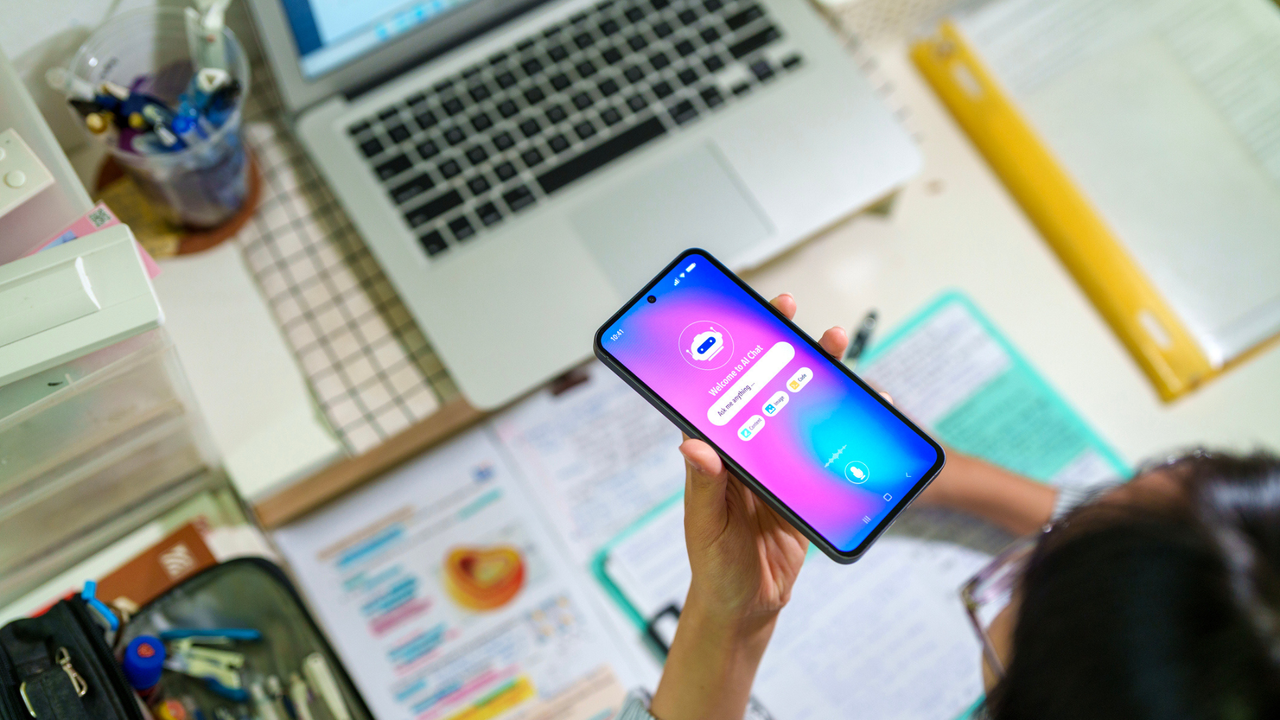
The shift in performance immediately raised eyebrows. The professor noted that while the answers were technically correct, they possessed a style that felt convoluted and strangely polished. This led him to suspect external assistance, specifically the rise of artificial intelligence. Running a comparison with tools like ChatGPT confirmed his growing suspicion: many submissions displayed patterns strongly indicative of AI generation.
Driven by this suspicion, Serrano took a decisive step. Rather than accepting the results as legitimate, he decided to make the final exam in-person, hoping to eliminate the possibility of cheating entirely. This move triggered further upheaval; eighteen students dropped the class after the announcement, and nine others skipped the final altogether.
The resulting data was stark. Out of the remaining fifty-nine students, the quality control was severely tested. Only two students received a final grade within ten percent of their midterm score, and only one managed to surpass their prior performance on the final. Three students scored zero.
This episode highlighted a broader tension between technological advancement and educational standards. Professor Serrano raised his concerns with the university’s Standing Committee on the Academic Code, but it seemed that action was not taken until the story began circulating widely. Now, while the institution is reportedly reviewing each case individually, the professor remains deeply worried about the future of intellectual honesty.
“We cannot afford to have a society in which a significant fraction of our best young minds think that cheating is OK,” Serrano reflected. “That leads to a declining society, to a failed society. We cannot choose to become idiots.”
Buy on Amazon
Credit: Tom’s Hardware
