Tech CEO says memory crisis won’t be as bad as expected
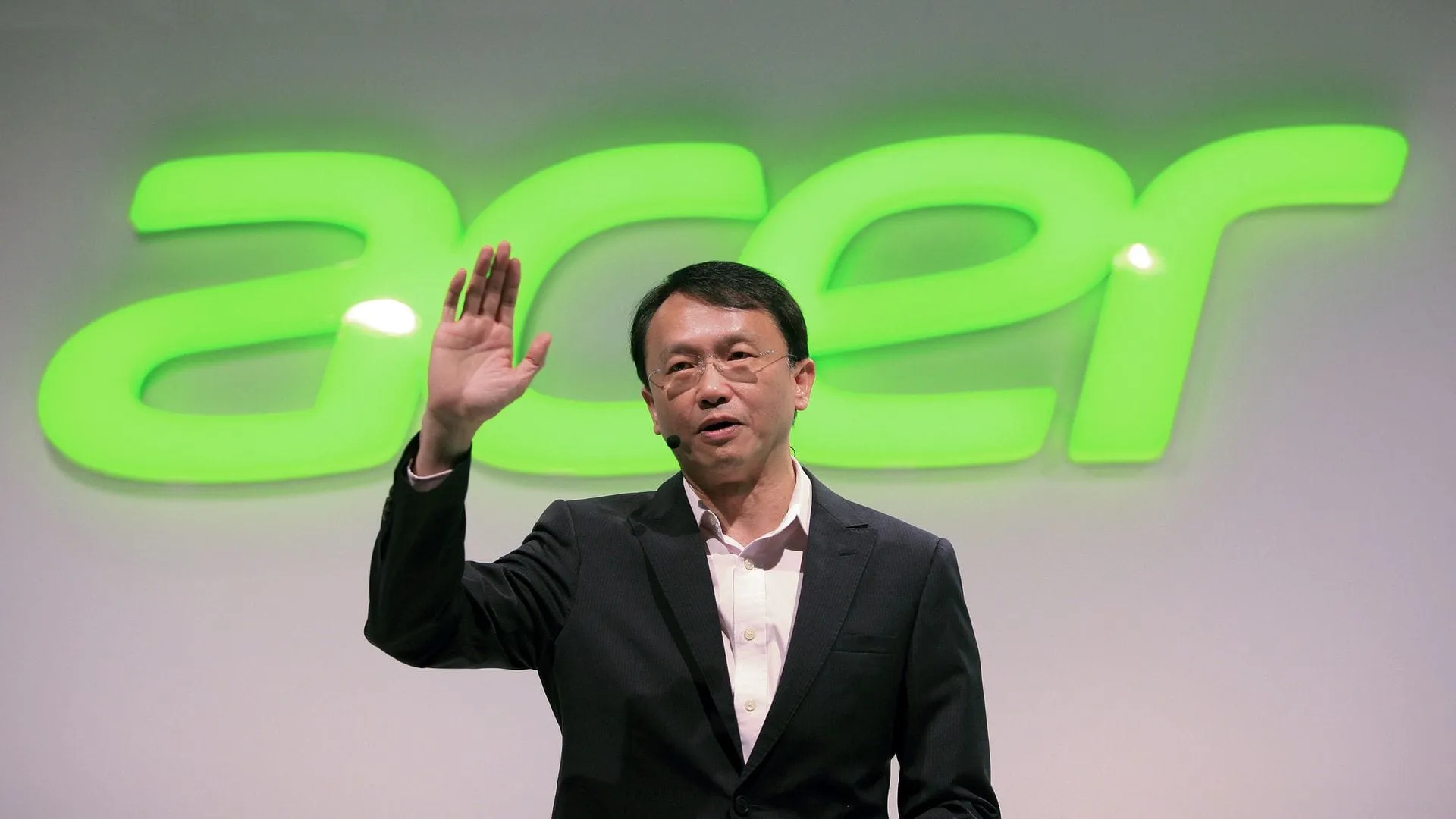
The computer component shortage has dragged on for nearly a year, forcing a pause on the tech industry’s relentless pace. But amidst the persistent anxiety, a major voice from the industry is signaling that the era of severe scarcity might be nearing its end, injecting a dose of optimism into a market that has been defined by volatility and rising prices.
Acer CEO Jason Chen has made a striking statement regarding the timeline for recovery, suggesting that the supply bottleneck will not last until 2030. While many forecasts suggest a far longer wait, Chen believes that the crisis is about to resolve, focusing specifically on the high-speed DDR5 chips that have been the primary sticking point in the market.
This focus on memory is critical, as Chen indicates that chips like DDR4 and even CPUs are not facing the same critical shortage. The bottleneck seems to reside in the supply chain for advanced memory, particularly the high-speed components required for modern computing.
The outlook for pricing, however, remains a complex mix of short-term inflation and eventual relief. Chen projects that PC prices will continue to climb through the final months of 2026, anticipating an average price increase of between 5% and 20%. This upward pressure is set to continue until the middle of 2027, after which he expects a significant price drop, leading to further reductions toward the end of the year.
This prediction signals a shift from scarcity to correction, yet the underlying market dynamics remain fiercely competitive. While some analysts point to persistent demand that will keep memory supply strained well into the future, the landscape is rapidly being reshaped by global manufacturing capacity.
A significant factor driving this potential change is the rise of competition from Asia. Chinese DRAM manufacturers are actively closing the gap with established competitors, with reports indicating that companies like CXMT have already secured a substantial share of the market. This increased capacity, particularly in China, suggests a potential route for ending the component shortage sooner than previously feared.
The battle for memory production is now less about pure supply and more about market agility. As new production lines come online, the pressure on manufacturers to adjust their strategies—moving beyond just maximizing profit—is intensifying. While some experts maintain caution about the long-term demand forecasts, the accelerating pace of new capacity suggests that the uncertainty surrounding the component shortage may be fading, ushering in a new, albeit volatile, chapter for PC hardware.
Credit
