Tech sleuth finds the oldest working GUI app for Windows 11
The Ghosts in the Machine: Finding the Oldest Software That Still Runs on Windows 11
In the world of computing, few things are more fascinating than the persistence of old code. Yet, finding an application that can run natively on the latest operating system, Windows 11, without any modification or emulation, feels like uncovering a technological ghost. A recent deep dive into the compatibility of Windows 11 revealed that a seemingly simple application from 1992 holds the title for the oldest GUI program still capable of running seamlessly on the modern desktop.
The quest for this digital antiquity started with a challenge: how do you make a program from the early NT era compatible with Windows 11? Windows 11, while boasting strong backward compatibility, does not natively support the 16-bit applications of the past, prompting enthusiasts to look deeper into the system’s foundations.
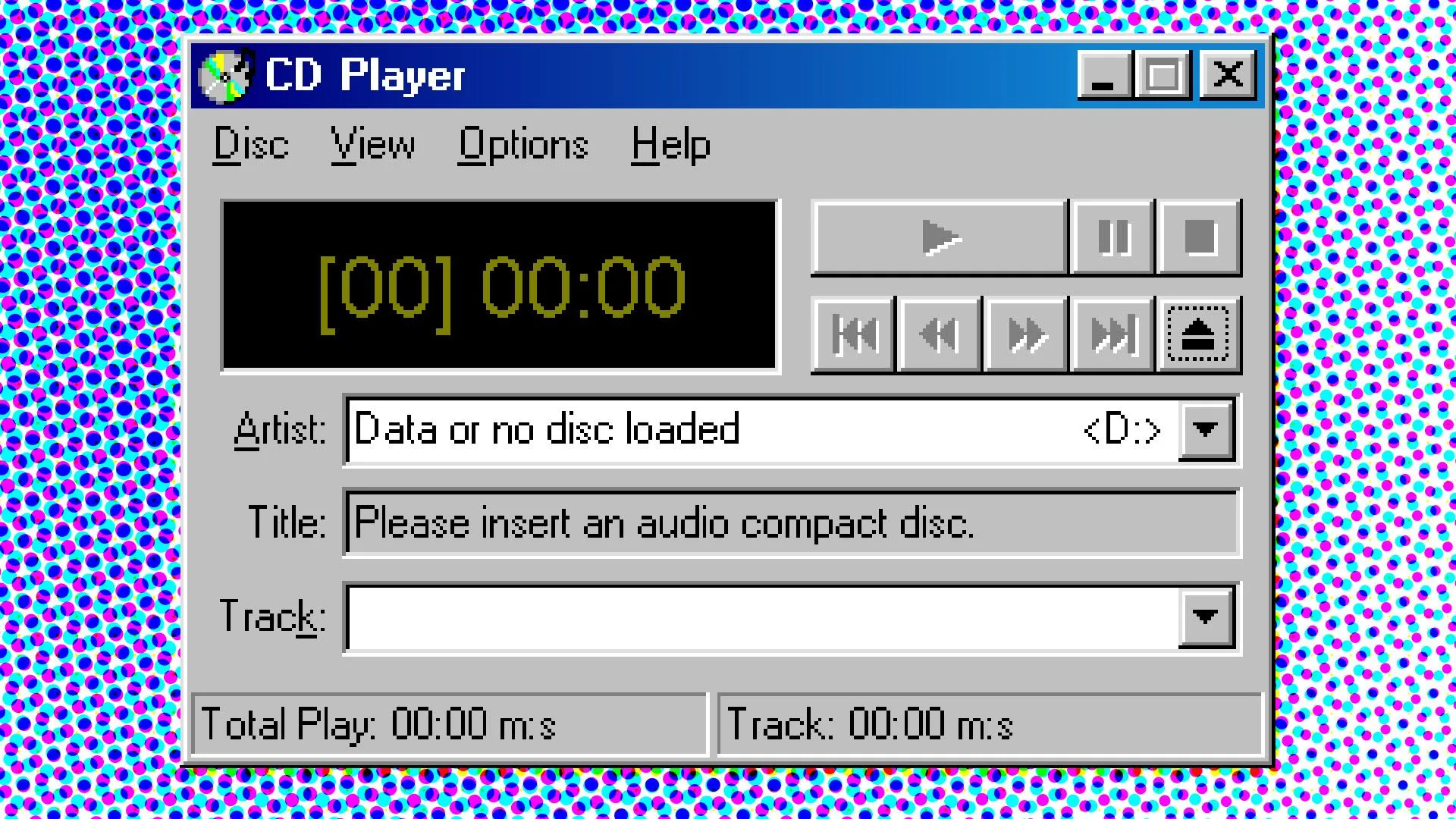
The initial search yielded a promising candidate: CDPLAYER.EXE, dating back to November 1992. This application, existing nearly 34 years ago, manages to run on Windows 11 just by existing—a remarkable feat that defies expectations given the limitations of modern operating systems. This discovery immediately sparked a fascinating discussion about the true limits of software compatibility.
The journey to establishing this compatibility was not simple, however. To make the 1992 application function correctly, technical workarounds were necessary. Since modern systems lack physical optical drives, the developers had to introduce a small library, a DLL, to simulate the functionality of a CD drive. This clever trick allowed the ancient program to interact with the modern hardware environment.
Further testing revealed other relics of the early NT era that shared this compatibility status. FREECELL.EXE, originating in February 1993, also proved to be compatible. This game was designed alongside the Win32s environment, aimed at allowing 32-bit applications to run on older 16-bit systems like Windows 3.1, highlighting how tightly woven the history of software development truly is.
The pursuit of even older software pushed the boundaries of what was considered possible. By leveraging experimental projects like Winevdm, enthusiasts managed to bring even more ancient applications into the modern age. This effort demonstrated that the wheels of time can indeed be gently ratcheted back, revealing forgotten gems.
The ultimate triumph of this compatibility quest came when the team managed to run a GUI-driven game from 1985. This program, REVERSI.EXE, which was distributed as part of the very first Windows 1.01 release, was successfully brought to life on Windows 11. This achievement is a testament to the incredible resilience of old code and the ingenuity of those who explore the digital archives.
Buy on Amazon
Credit
