Tencent scores $7B AI chip deal with Oracle despite rising prices
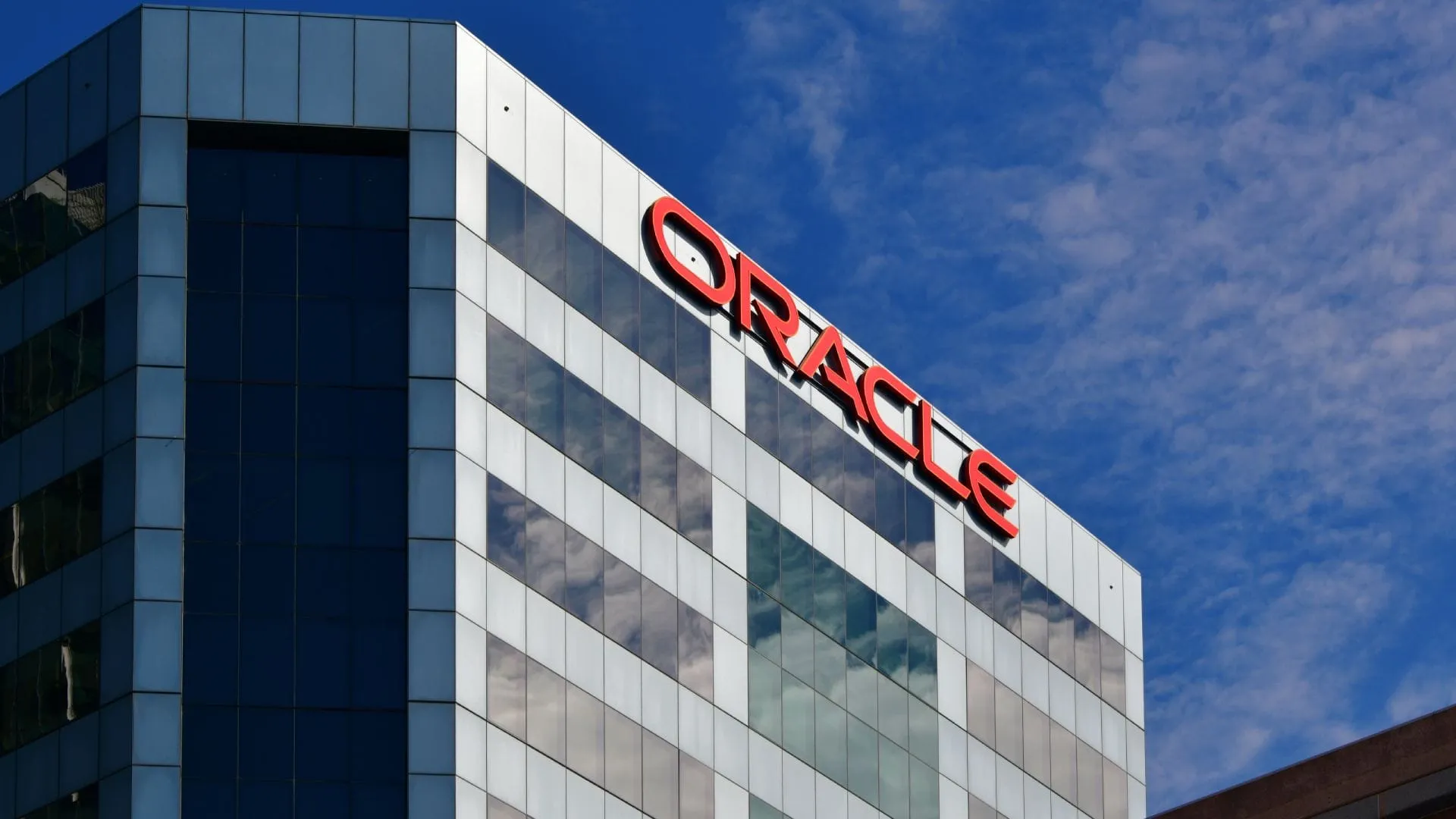
The $7 Billion Race: How Oracle, Tencent, and AI Chips are Redrawing the Global Compute Map
A staggering financial arrangement is brewing in the world of artificial intelligence infrastructure, involving a monumental lease deal between Oracle and Tencent. Reportedly, the two giants have struck an agreement for a five-year lease of Oracle data center capacity in Southeast Asia, unlocking access to approximately 100,000 advanced AI chips that are currently restricted in China.
The estimated value of this infrastructure deal is a colossal $7 billion. The pricing model, however, is where the true ingenuity lies. The deal is structured around compute rental rates that appear remarkably competitive when stacked against the high-end market. The estimated cost for these chips is pegged at about $1.60 per chip per hour over five years, with an initial upfront payment of about 30%. This rate positions the rental costs significantly below the market rates for top-tier GPUs, such as Nvidia’s H100, which command rates closer to $2.80 per GPU-hour in one-year contracts.
This strategic move is not just about leasing space; it’s about circumventing a major bottleneck in the global supply chain. The focus is on providing compute power outside of mainland China, a crucial requirement for Chinese firms aiming to accelerate their domestic AI training efforts, especially since domestic chip production capacity remains limited.
The leased data centers, hosted by Oracle, offer a vital pathway. Oracle operates major cloud regions in Singapore and Malaysia, providing a sophisticated, geographically diverse location for this high-demand processing. This setup directly addresses the strategic need of major regional players, like ByteDance and Alibaba, who leverage this capacity to run intensive AI training operations.
The complexity of the transaction, however, extends beyond the balance sheet. This deal sits precariously at the intersection of massive corporate finance and a highly sensitive geopolitical landscape dominated by US-China export controls.
The legal framework surrounding the rental of these advanced chips is thorny. While the deal involves infrastructure outside China, the underlying technology—advanced AI chips—is subject to stringent export regulations. Legal experts point to emerging legislation, such as the Remote Access Security Act, which seeks to regulate cloud access to sensitive technology, potentially impacting how these offshore rentals are viewed under current U.S. export rules.
Furthermore, existing regulations governing the export of advanced AI chips, enforced by the Department of Commerce’s Bureau of Industry and Security (BIS), have traditionally left cloud rentals in a regulatory gray area. This ambiguity has allowed various entities to leverage offshore networks to access components, creating a legal loophole that is now under intense scrutiny.
Despite the regulatory friction, the scale of the venture suggests a pragmatic approach. The financial incentives are significant for both Oracle and Tencent, offering Oracle improved cash flow and Tencent a path to recoup investments following recent price adjustments. As the global AI race intensifies, this complex transaction highlights how massive infrastructure deals are increasingly becoming interwoven with international policy and supply chain control.
Buy on Amazon
Credit
